


Booking
We are sorry, this tour is not available to book at the moment

We are sorry, this tour is not available to book at the moment
New Caledonia has been a French territory since 1853 but has been inhabited for around 3000 years by Austronesian populations. Therefore, European culture through French and Melanesian culture coexist on "Le Cailloux" (The Rock), which the natives affectionately call New Caledonia. In a fairly schematic way, French culture is found mainly in the Southern Province around Nouméa and Kanak culture in the Northern Province.
As Bushwalkers travellers, we will have the chance to discover these two provinces by following two Great Walk trails in both provinces, the so-called NC GR1 and NC GR2.
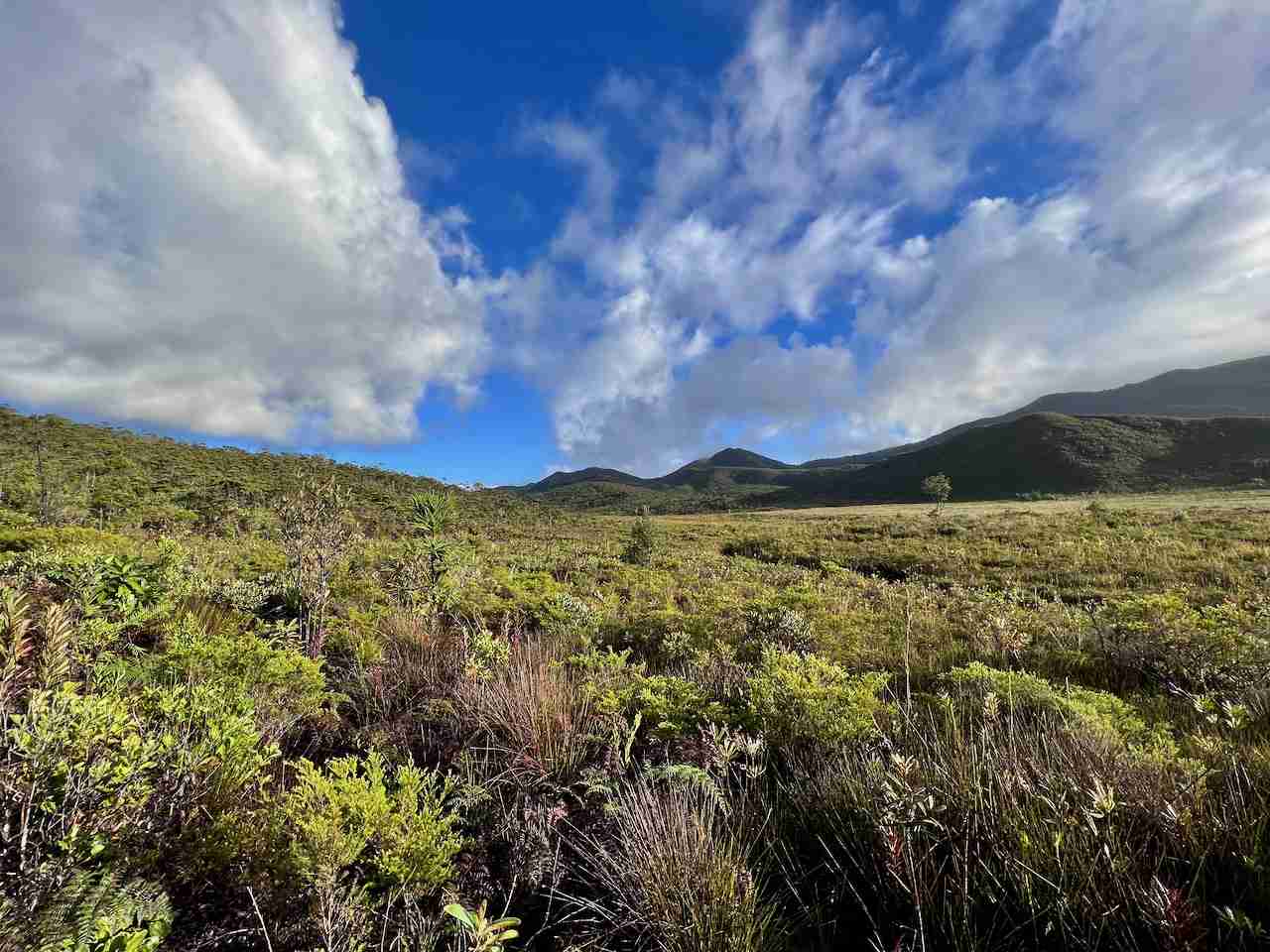
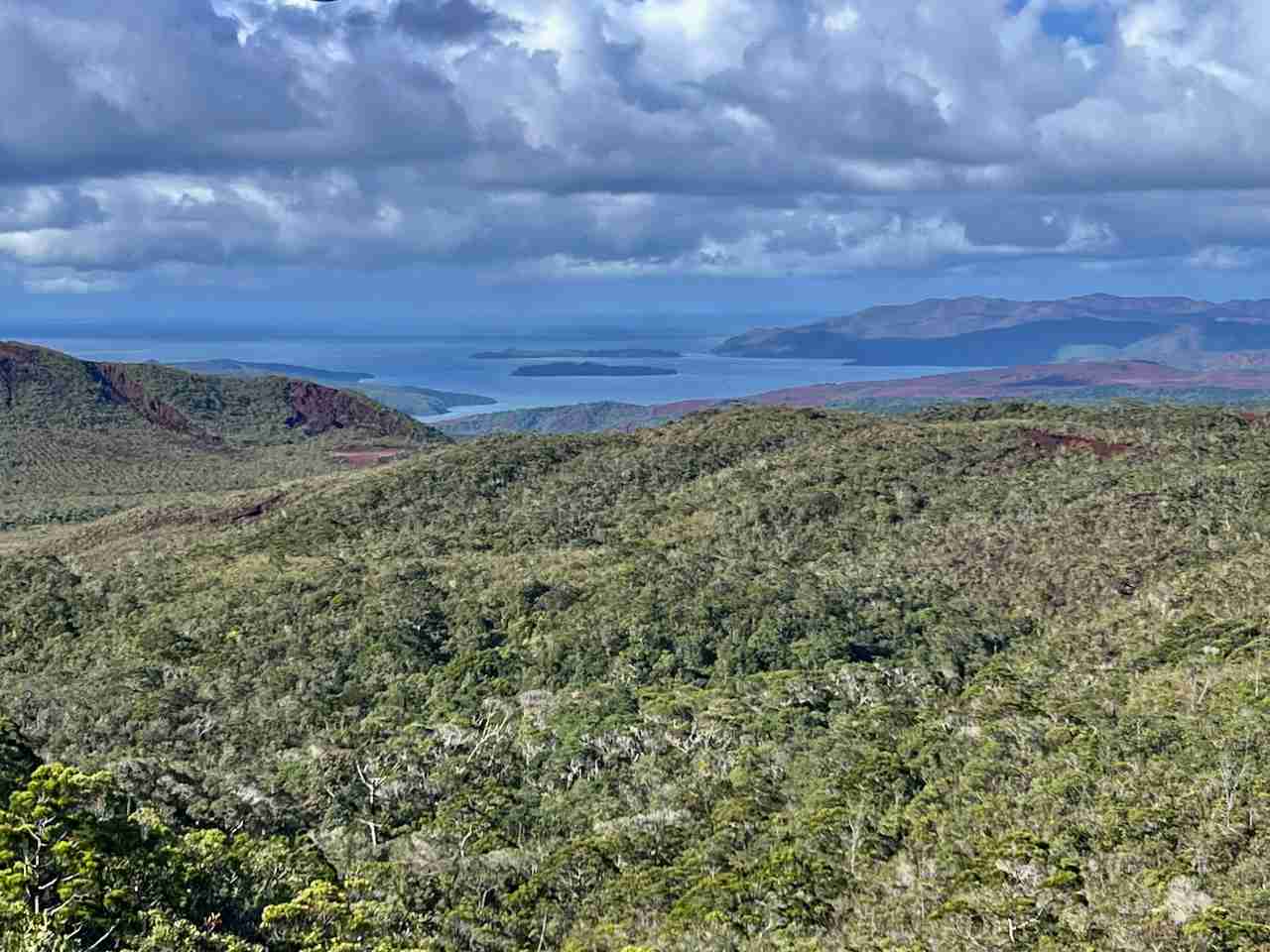
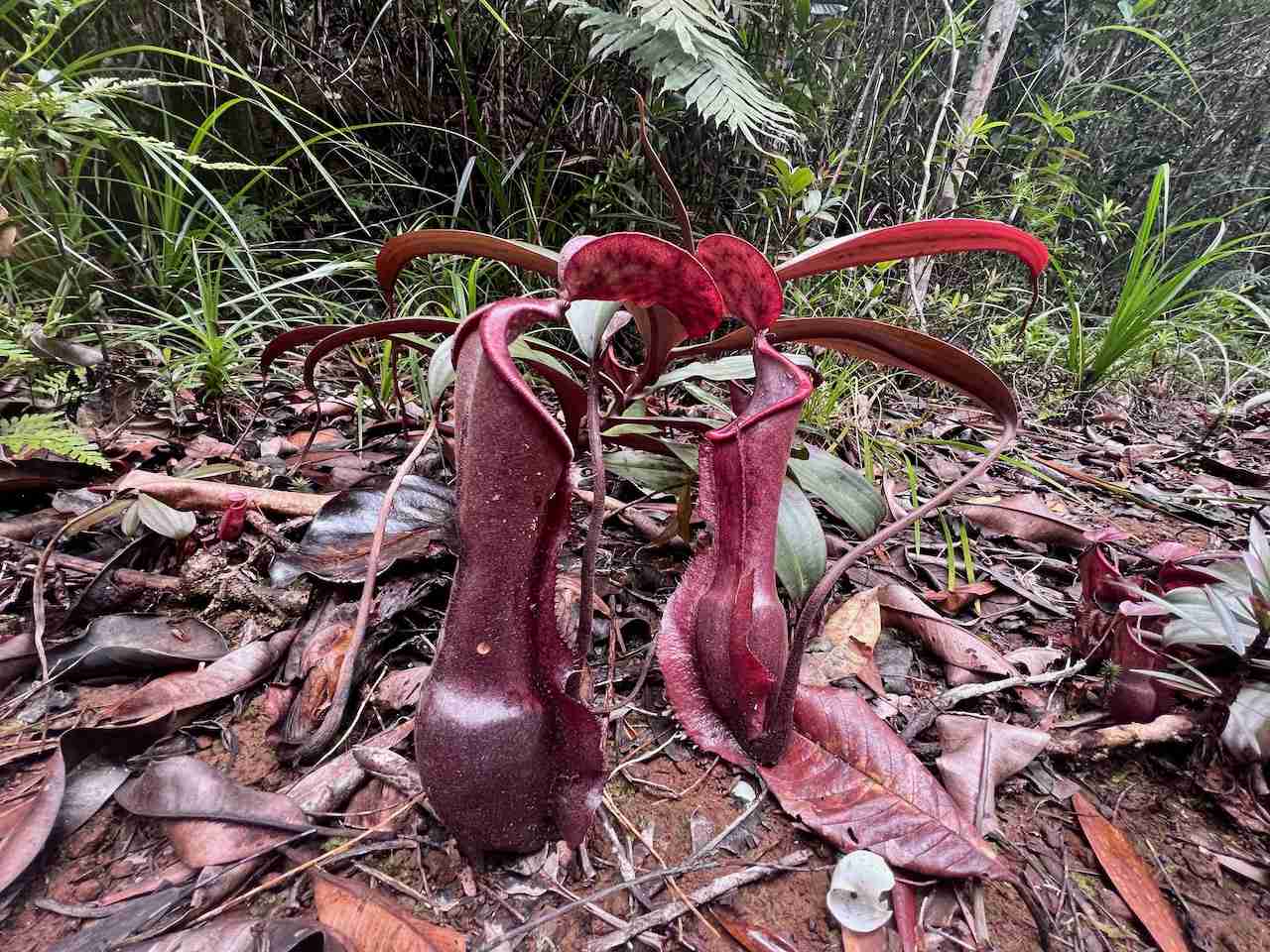
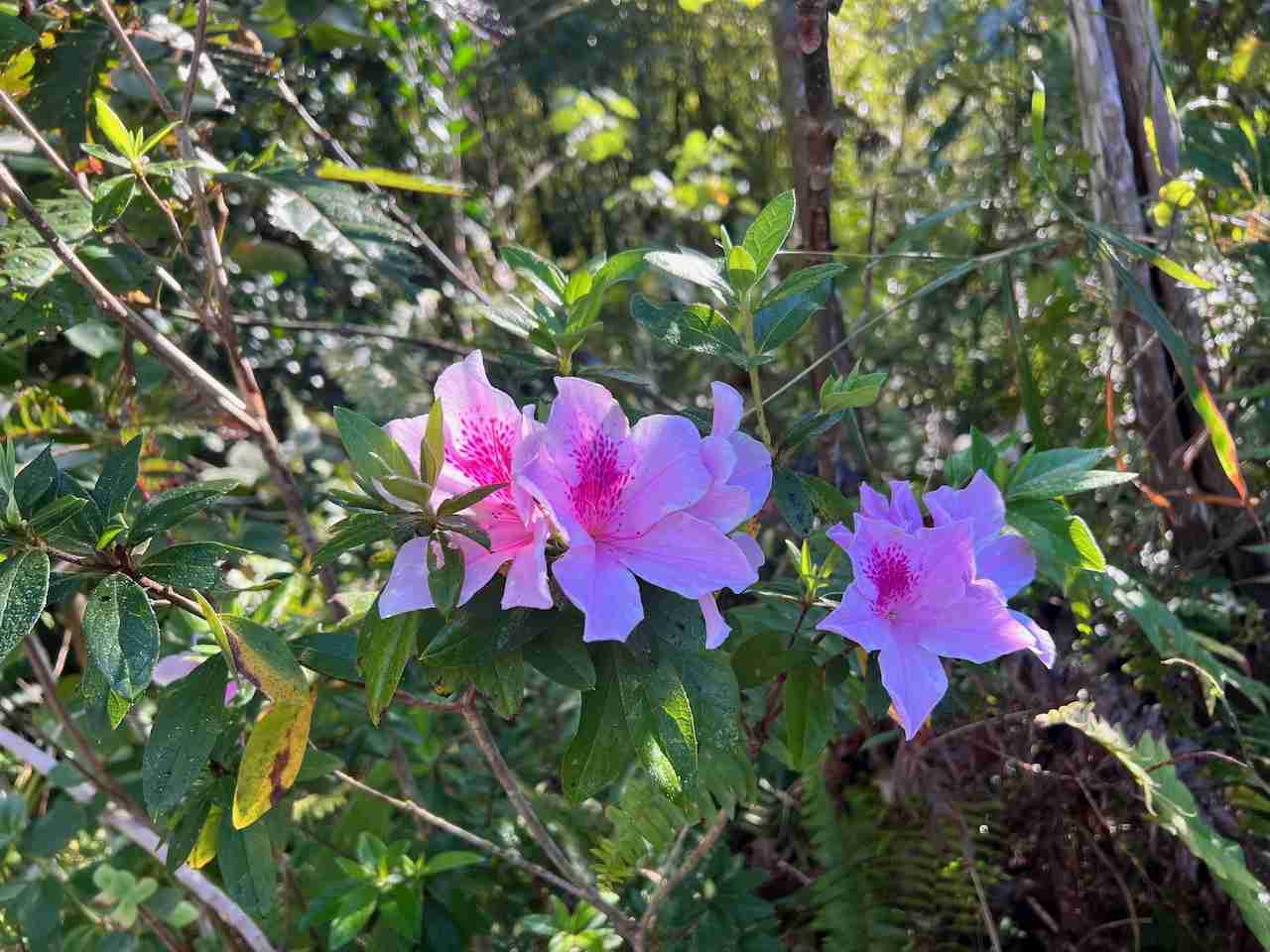
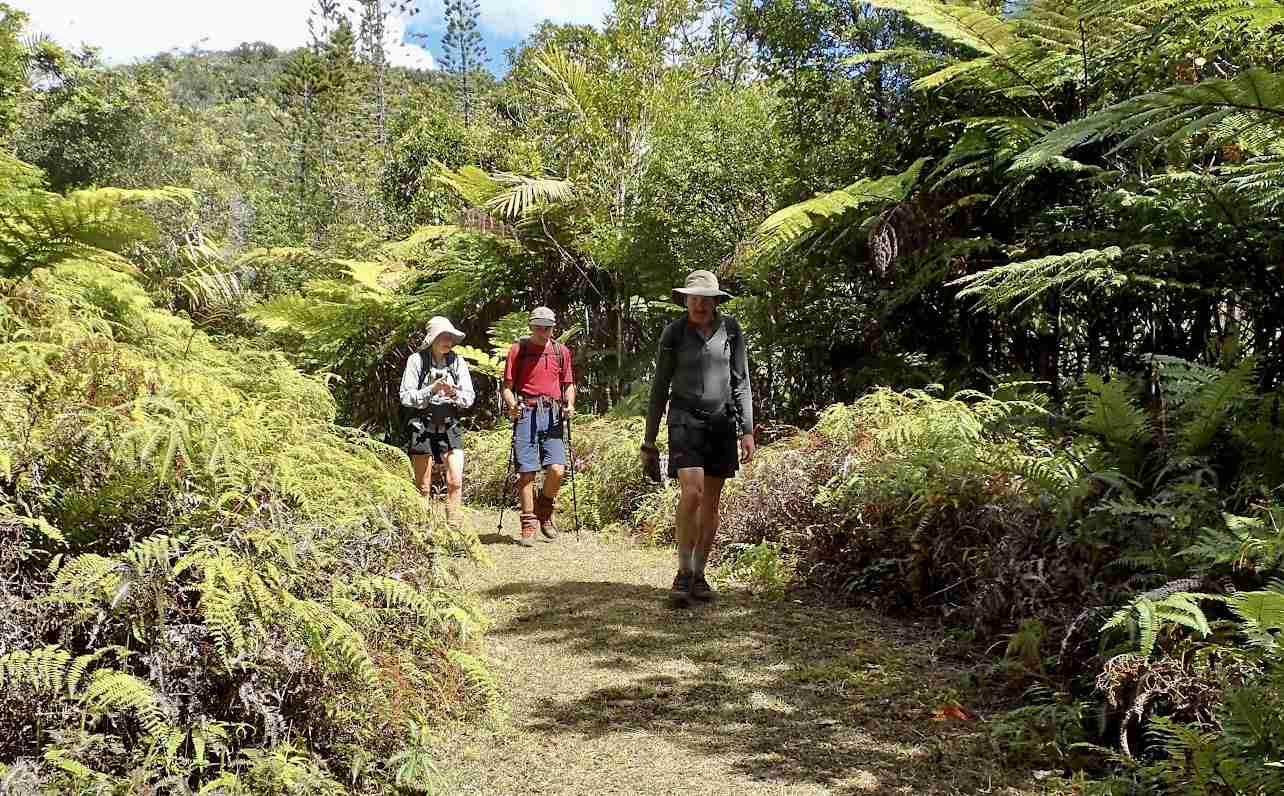
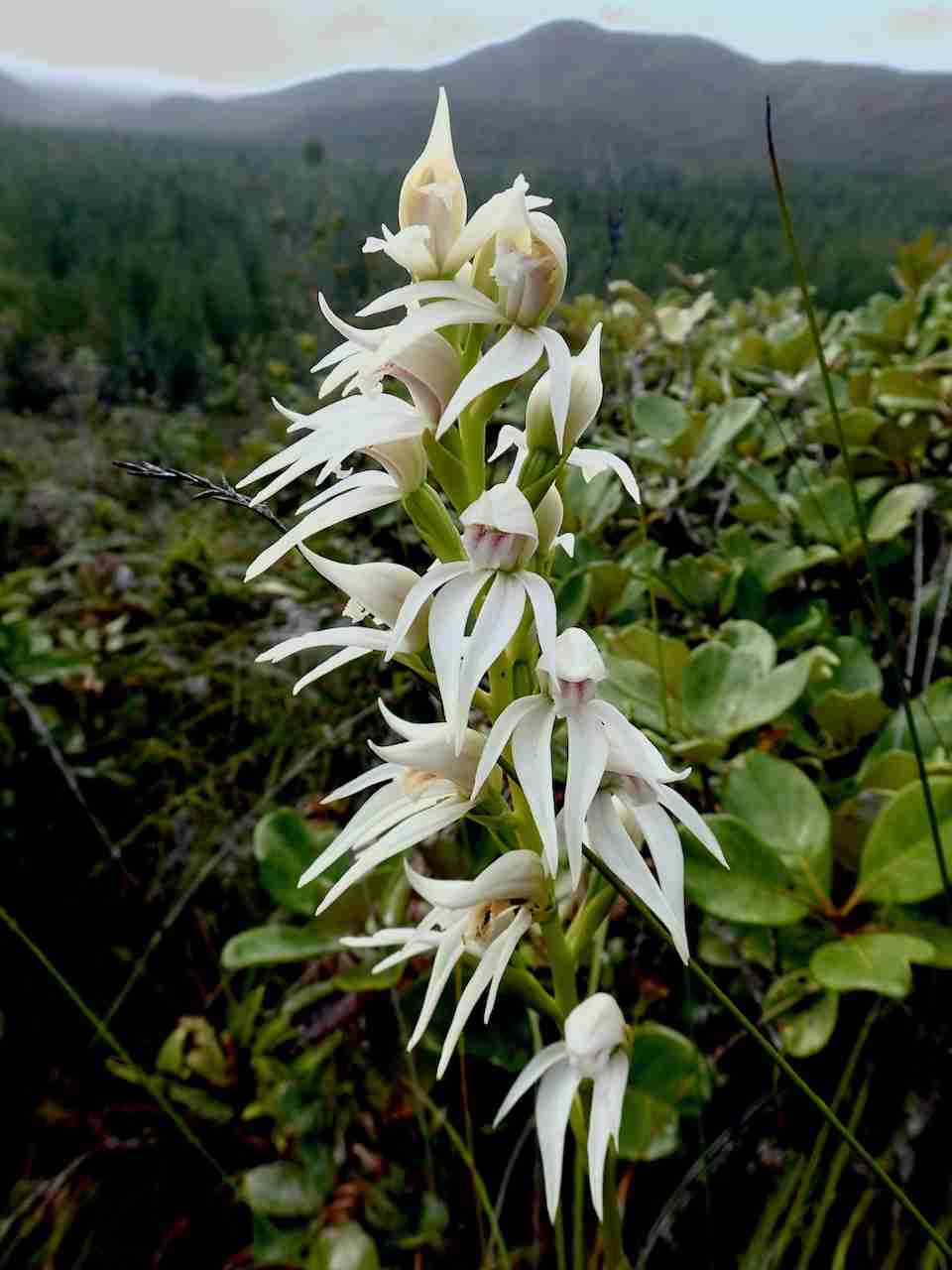
As its name indicates, the South Province is the southern part of the Big Island of New Caledonia. It has managed to preserve a strong biodiversity, particularly in the Riviére Bleue Provincial Park. It’s a botanist’s paradise! A walking path of around 120 km crosses this park; it is the NC GR 1 (Nouvelle Caledonie Grande Randonnée 1 - New Caledonia Great Walk 1) crosses the south of the Province through the centre starting from the small village of Prony on the bay of Prony to the Dumbéa valley. It is a route that allows you to explore the two main types of vegetation: mining "macquis" and more or less dense rain forests. We will find giant kaoris, immortal Neocallitropsis and gum oaks, forests of "pins colonaires" or carnivorous plants (Nepenthes) in these almost entirely endemic environments.
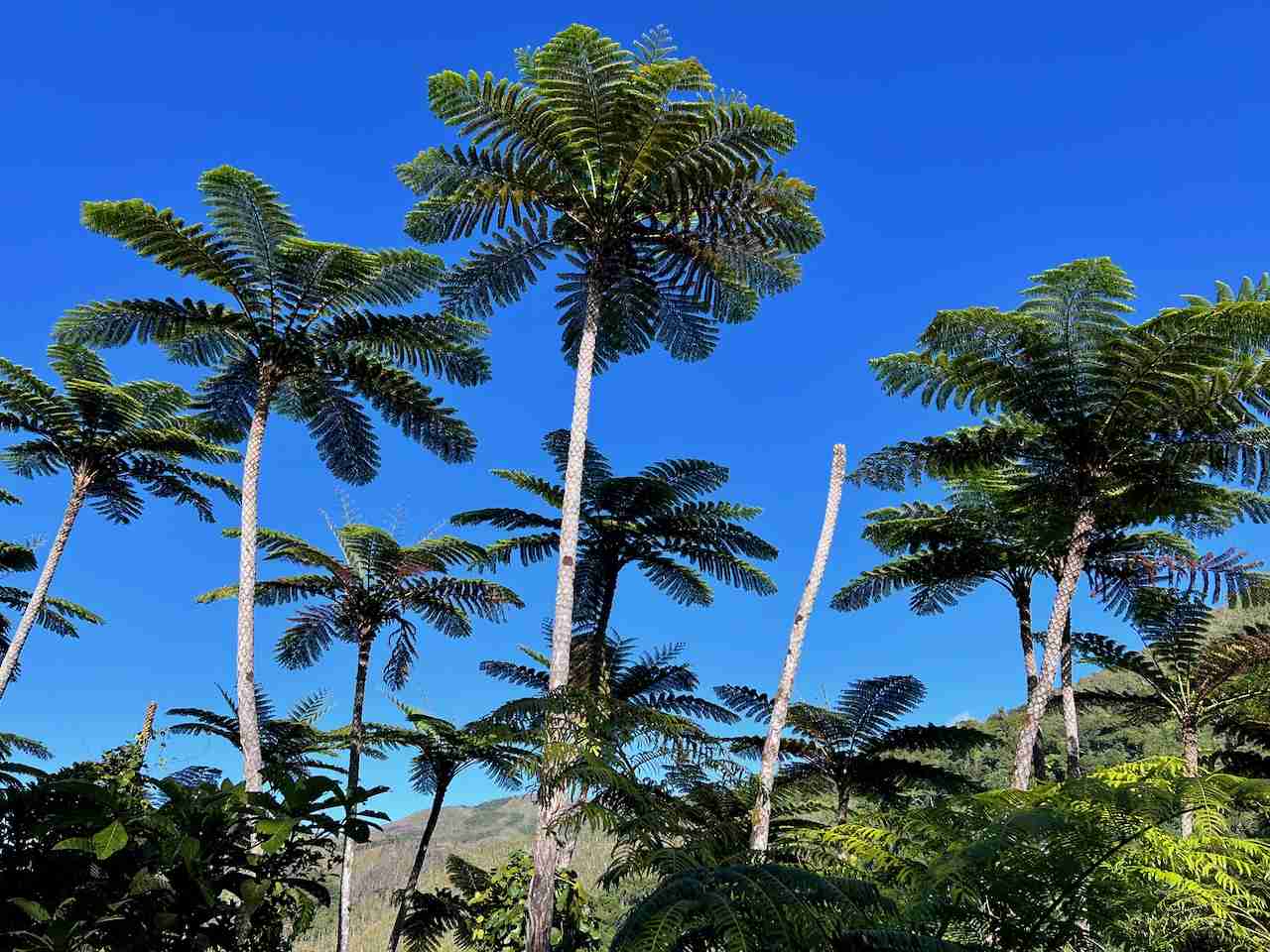
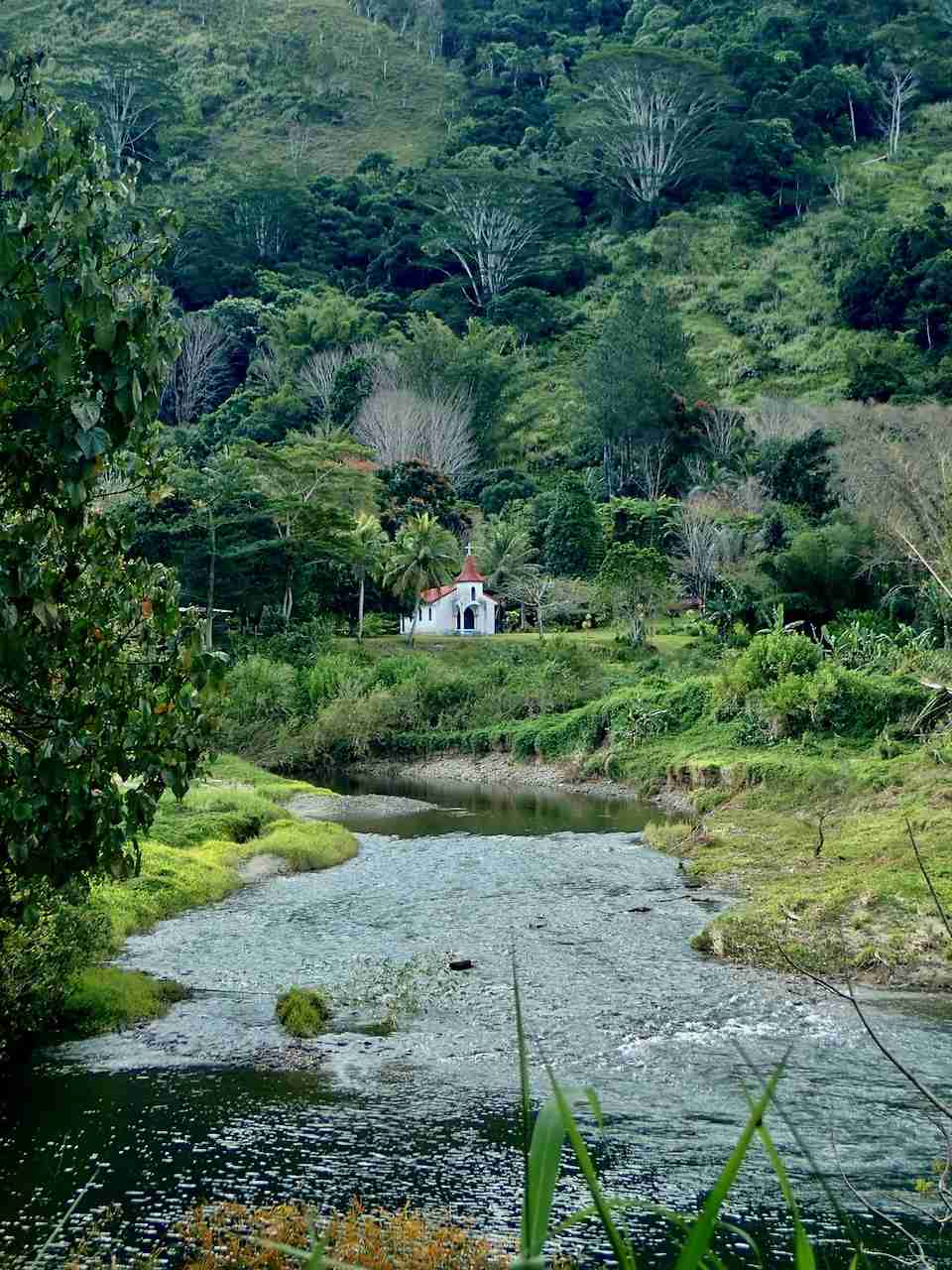
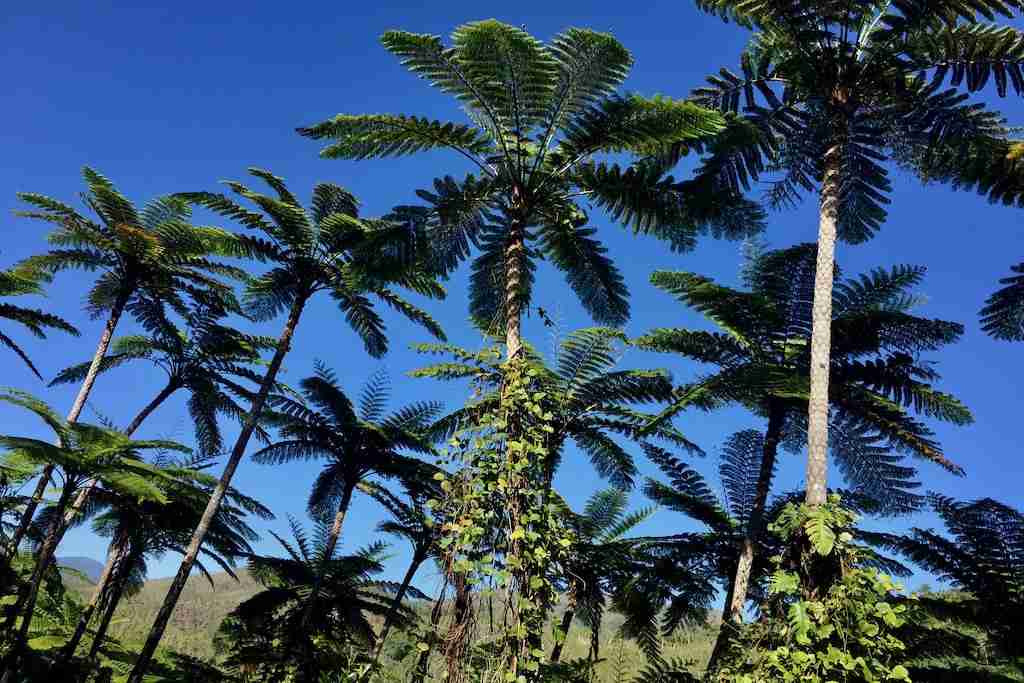
On the GR2 in the Northern province, tree ferns (cyathea) and niaoulis (melaleucas) will be added to the landscapes. The GR North in Kanak lands will take us through a labyrinth of rainforests and rivers. But beyond the beauty of the landscapes, it is the welcome of the villagers which will mark our hike. We will discover Kanak culture through the kindness of our hosts and the quality of their cuisine.
Start: Nouméa
Finish: Nouméa
Duration: 22 days
The tour starts early on Sunday 6 October 2024, and finishes on Sunday 27 October 2024.
We will organise our pre-meeting in Nouméa on Saturday 5 October at 5 pm.
We would suggest that you be flexible on your return date.
Grande Randonnée GR1 - Bushwalking the South Province (Province Sud)
The next day, on Sunday 6, a van will pick us up at our hotel to drive us to the old village of Prony, which will be the starting point of our bushwalking on the GR1 and the Parc Provincial de la Rivière Bleue.
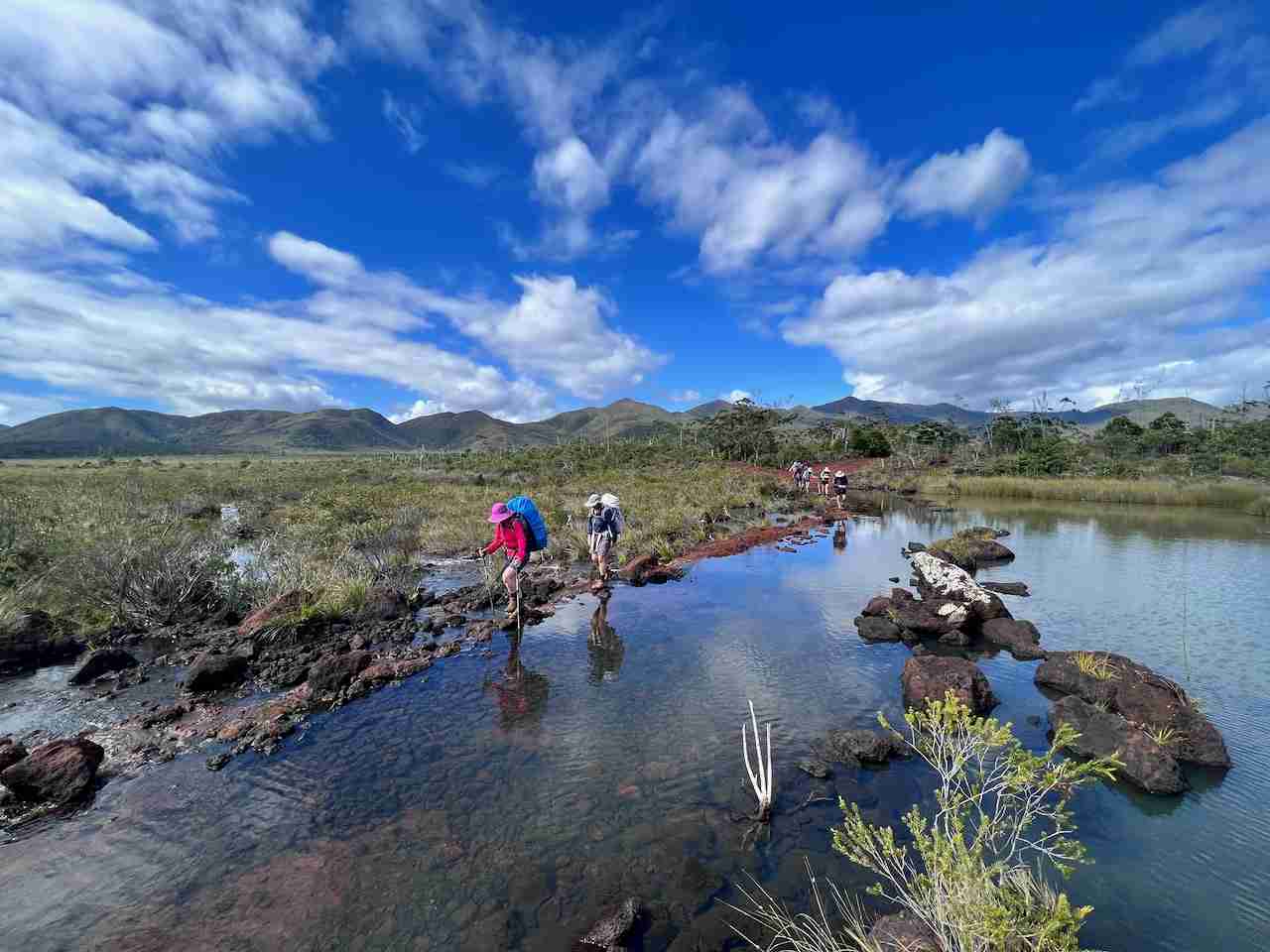
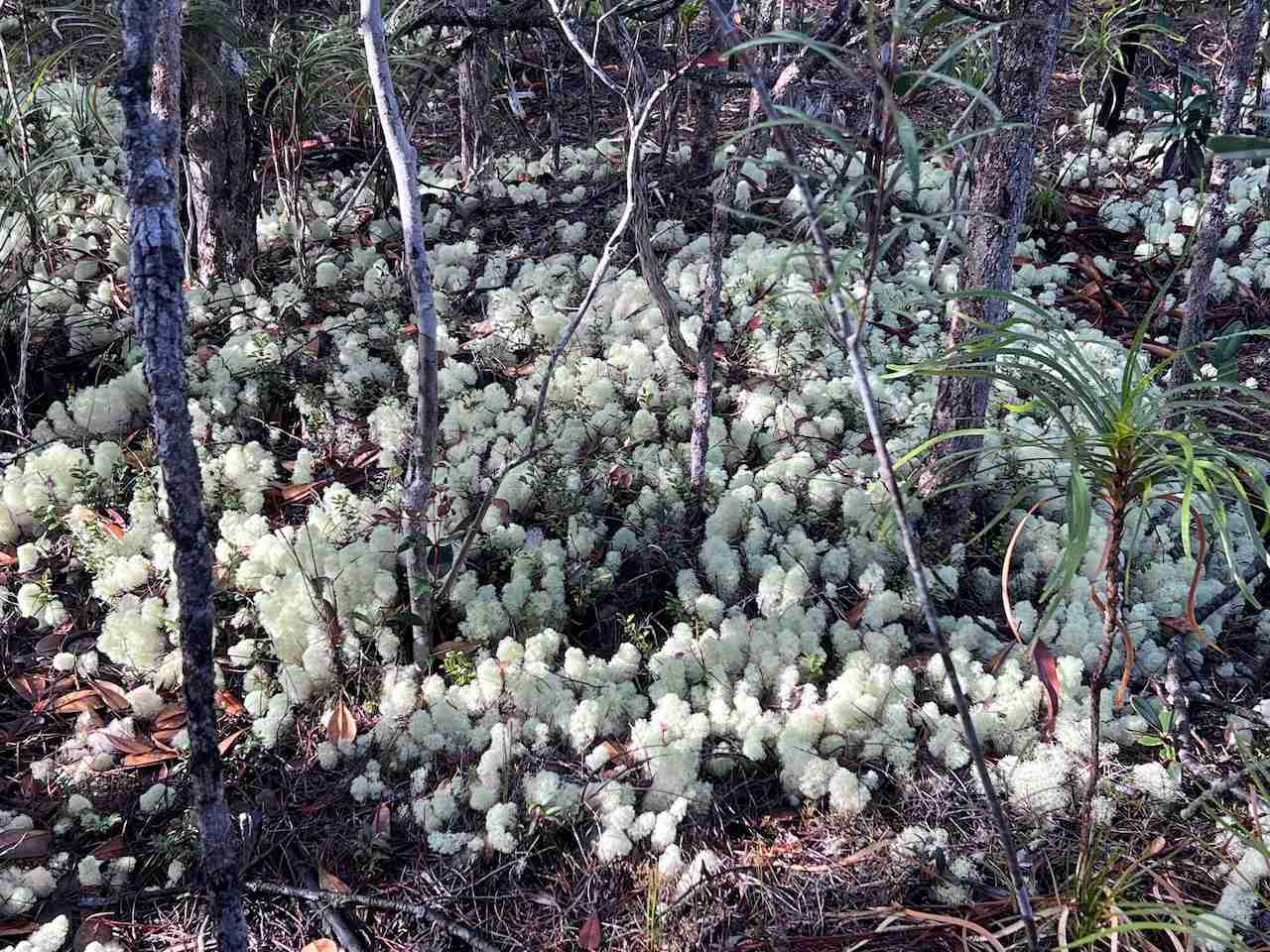
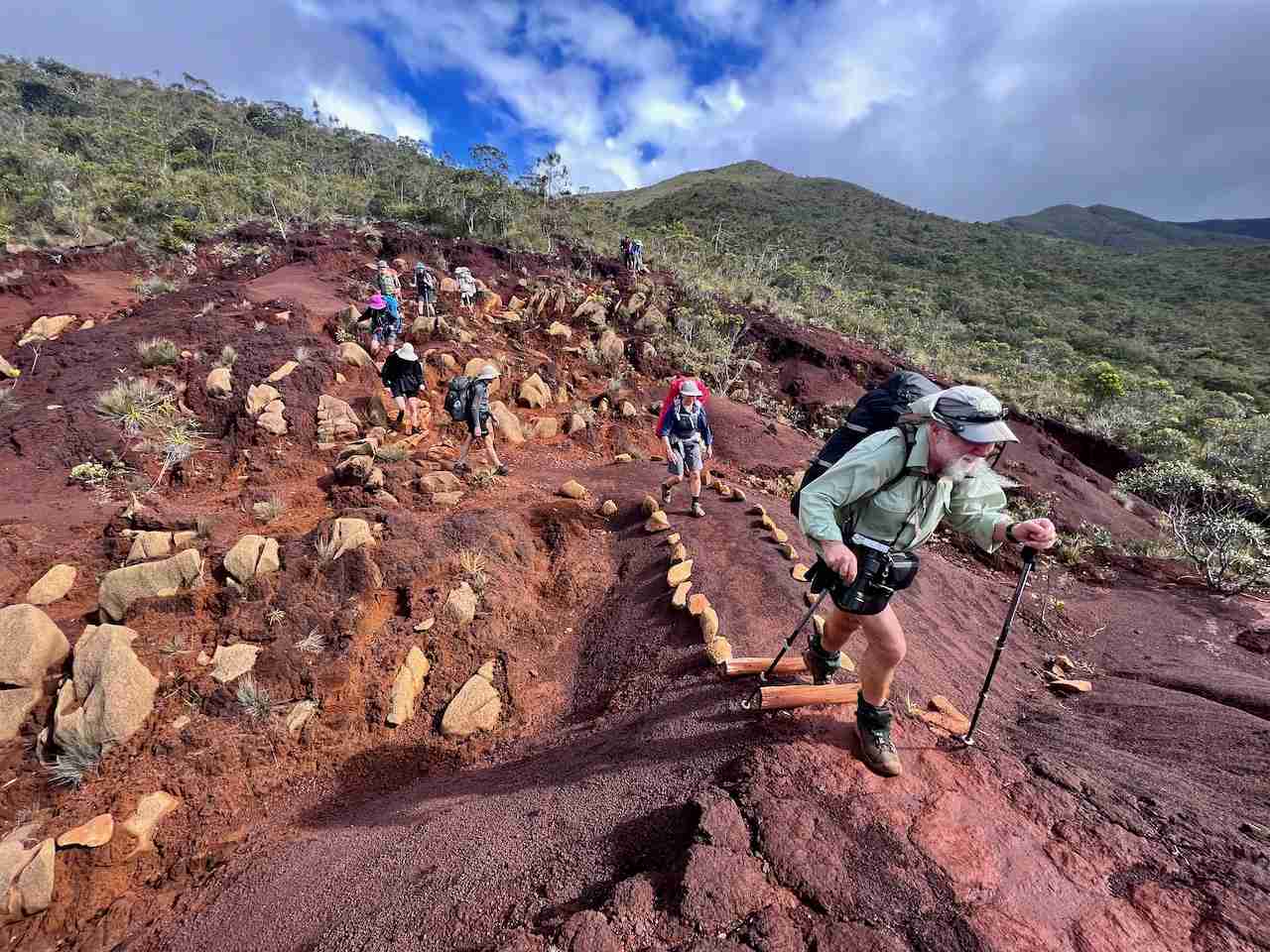
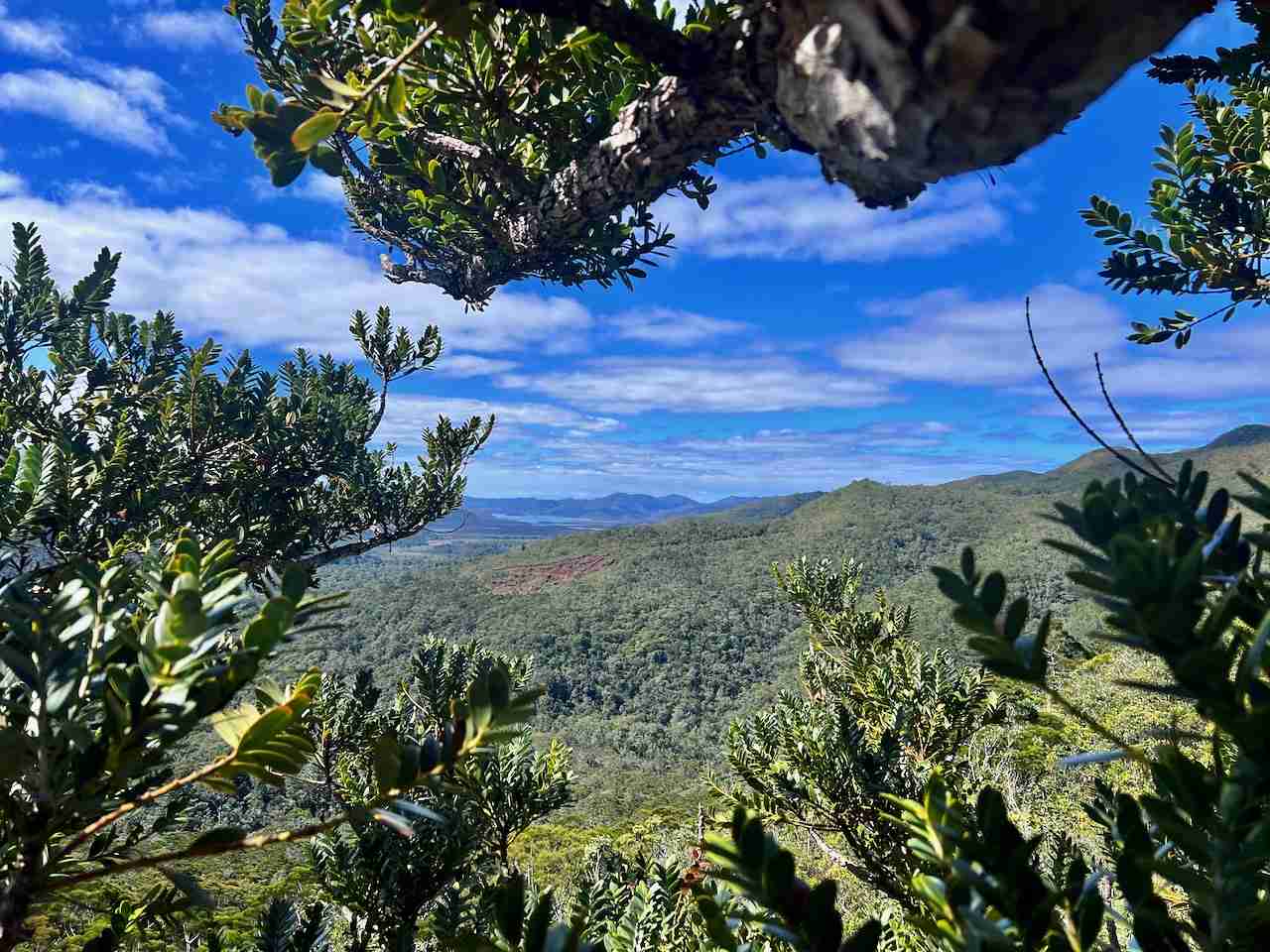
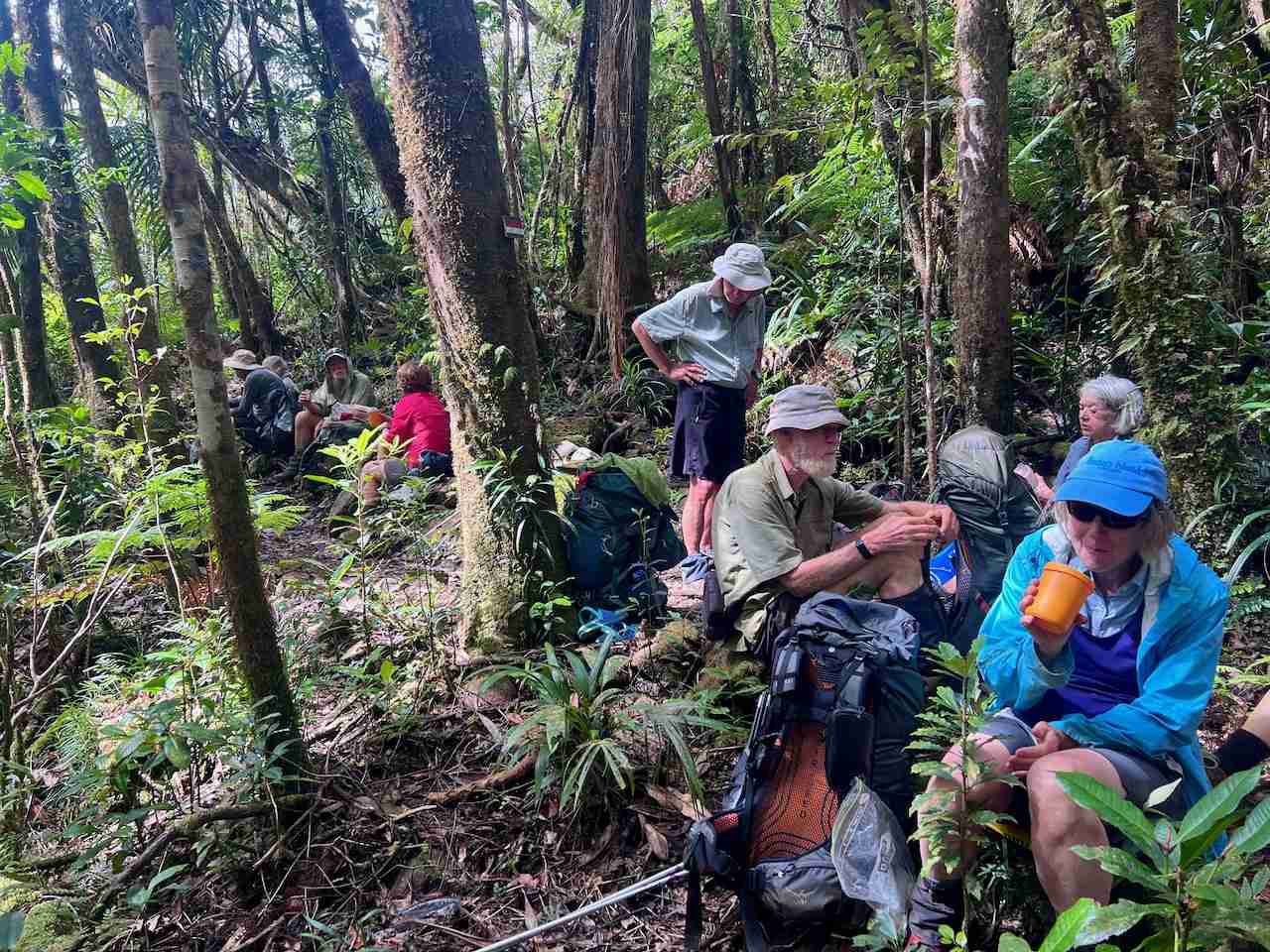
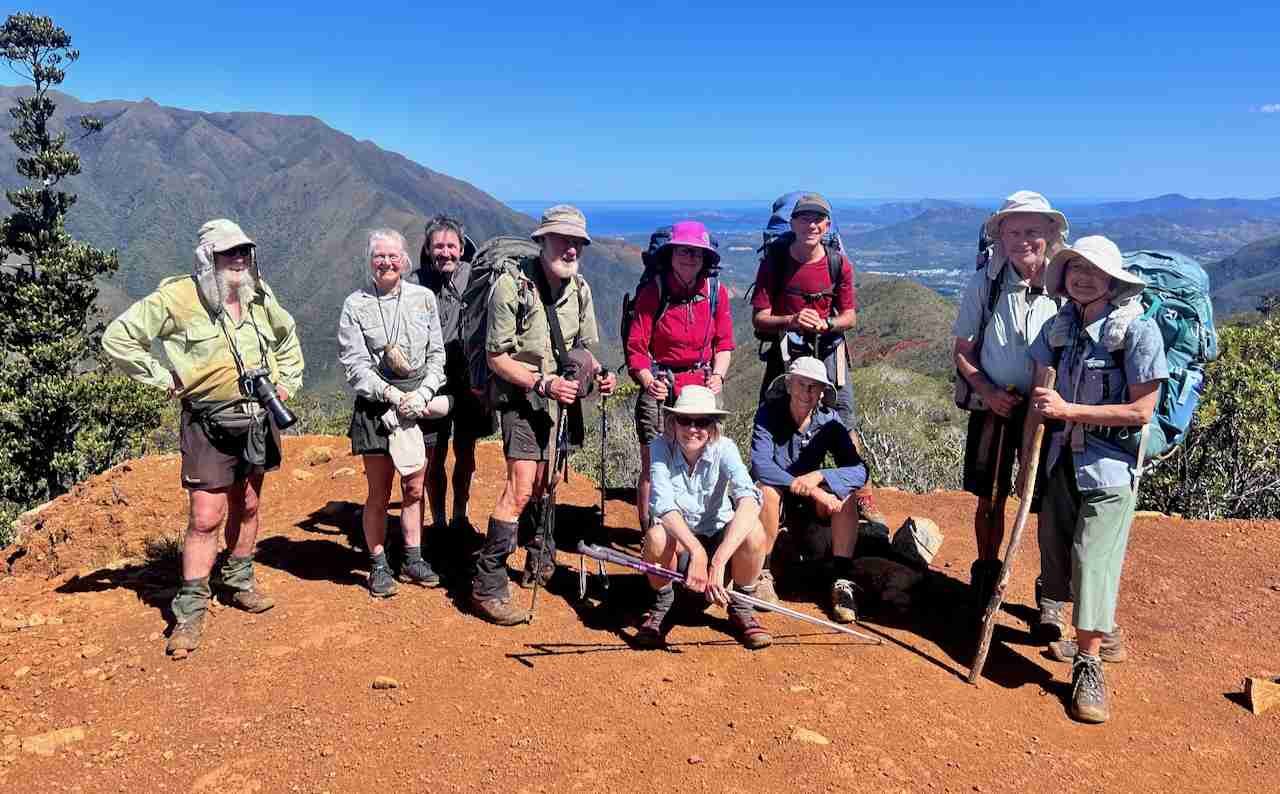
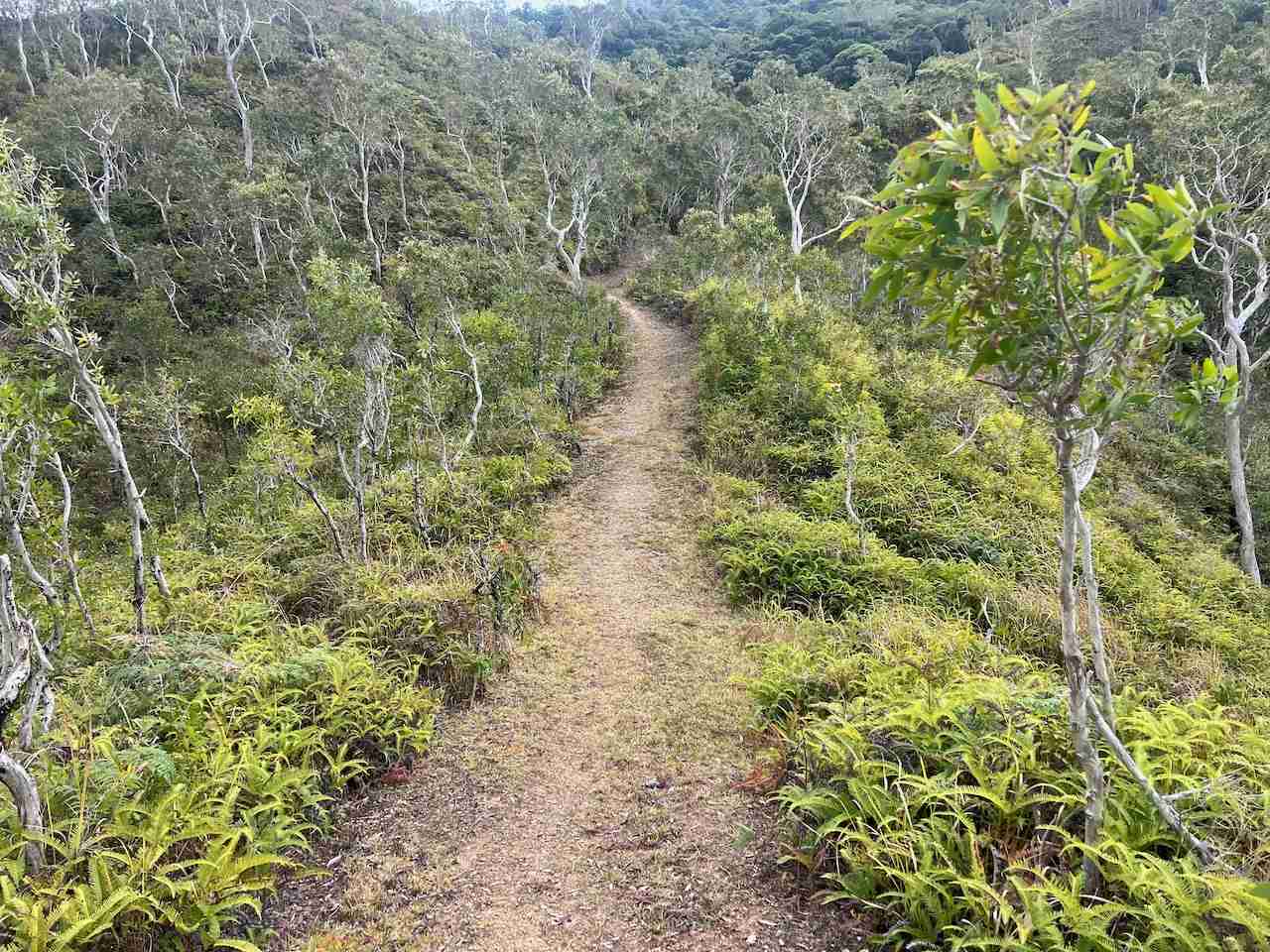
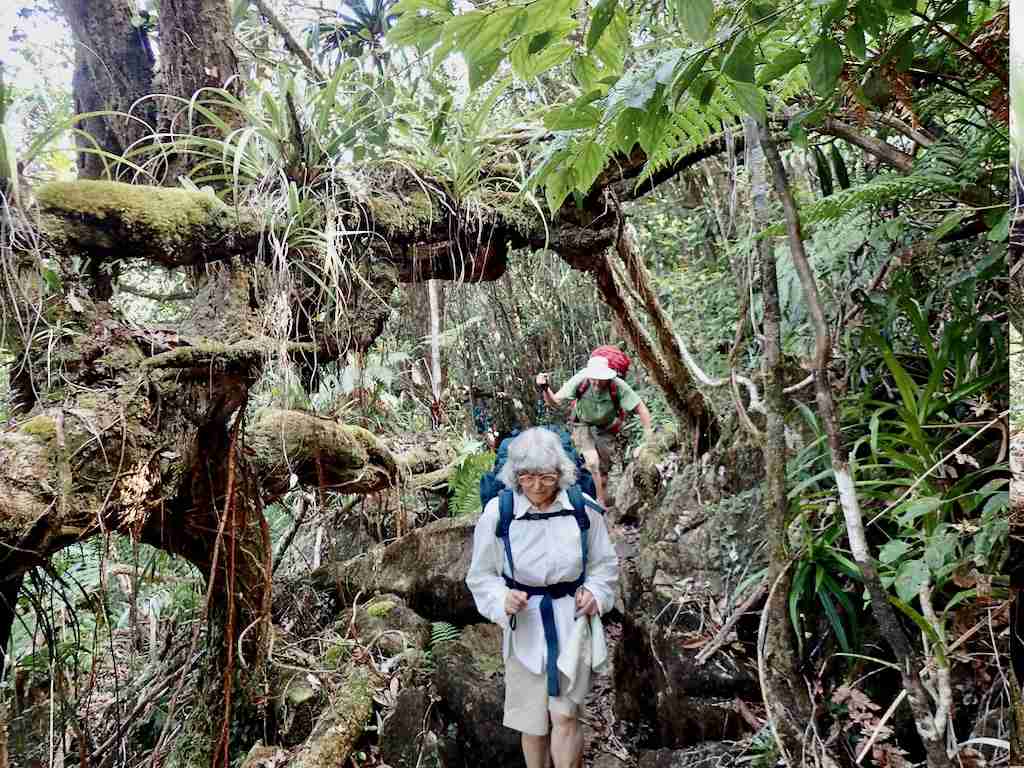
It will take us ten days to cross the Rivière Bleue Provincial Park. We will walk on tracks built by the Kanak People in immemorial times or by the "Muletiers" (mule drivers) who supplied the region's mines and sometimes on tracks broken by the runoff of rain and time. The tracks go up and down, sometimes steep and slippery. But the landscapes of the primary forest and the lookouts will reward you for your efforts. We will evolve in a universe of moss, giant trees (kaoris) and horizons of red earth and green vegetation. We will explore one of the richest ecosystems on the planet, which is said to be a relic of what Australia was 80 million years ago.
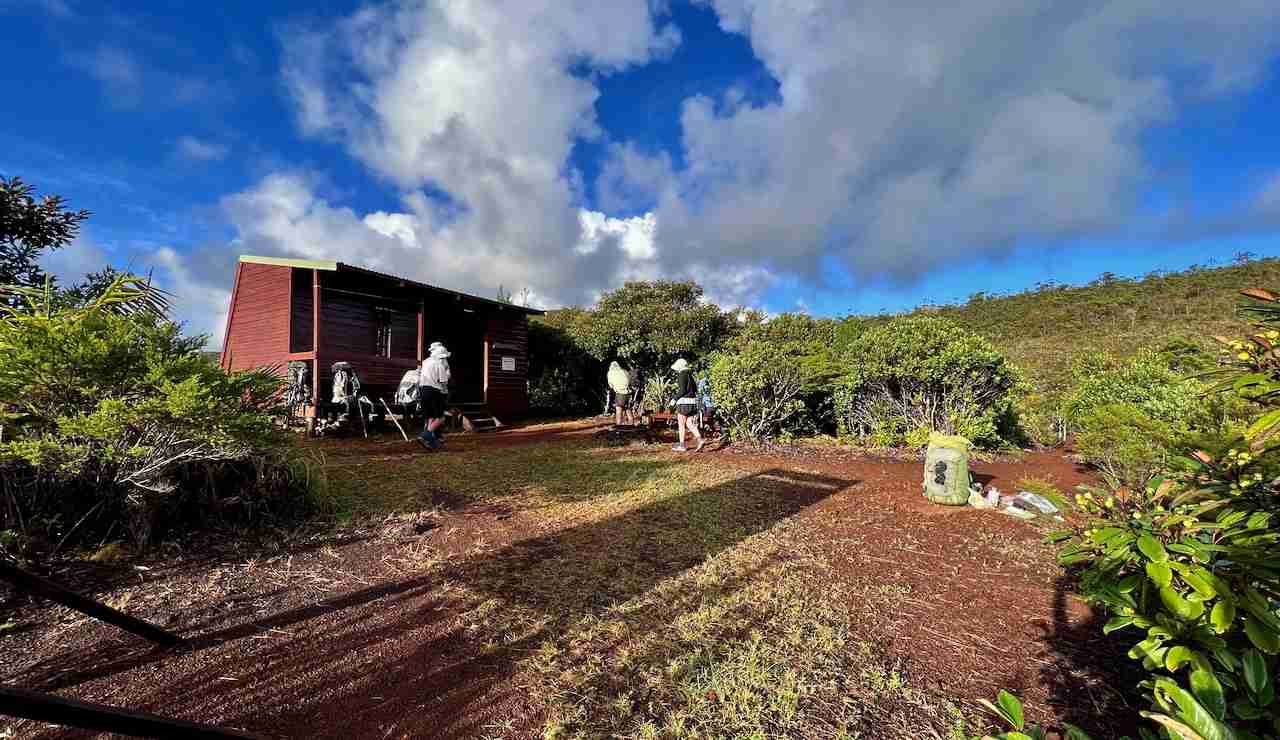
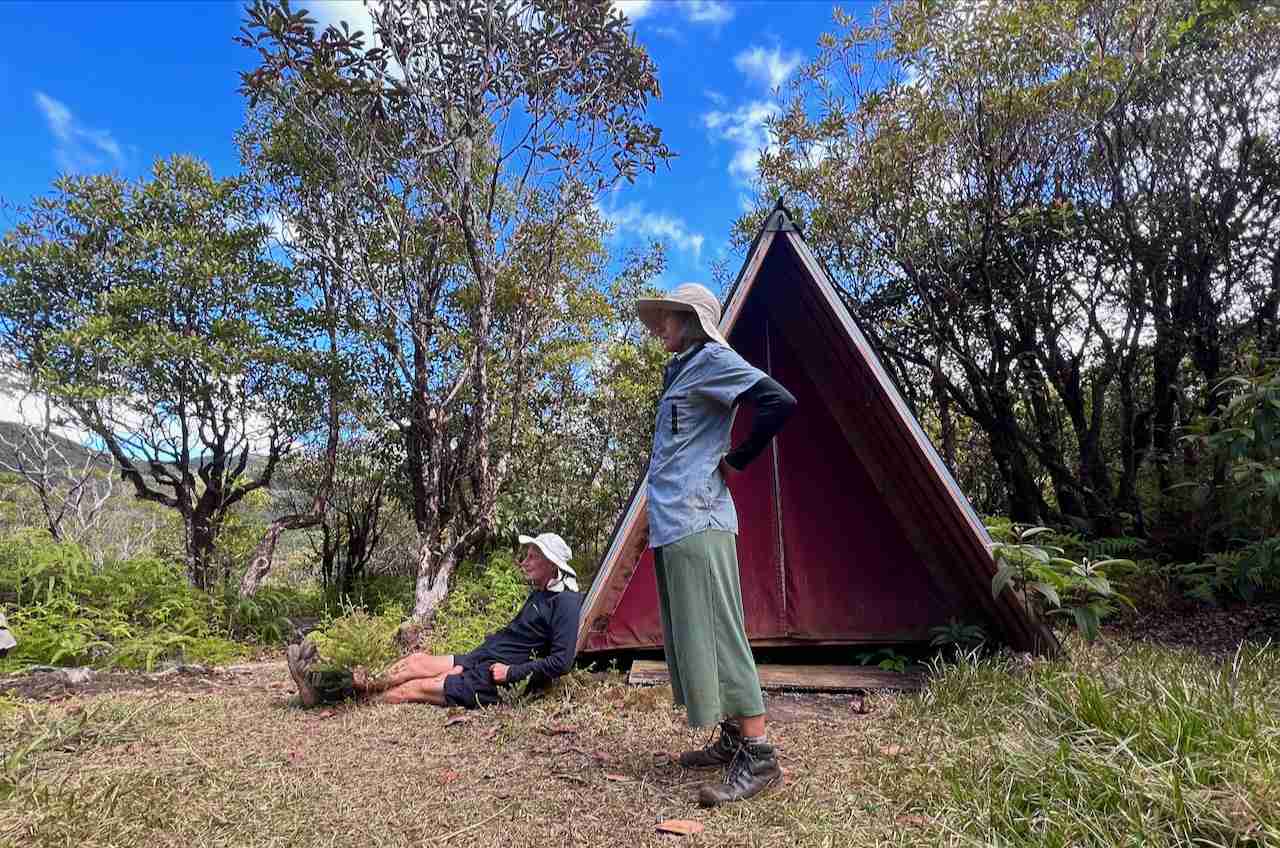
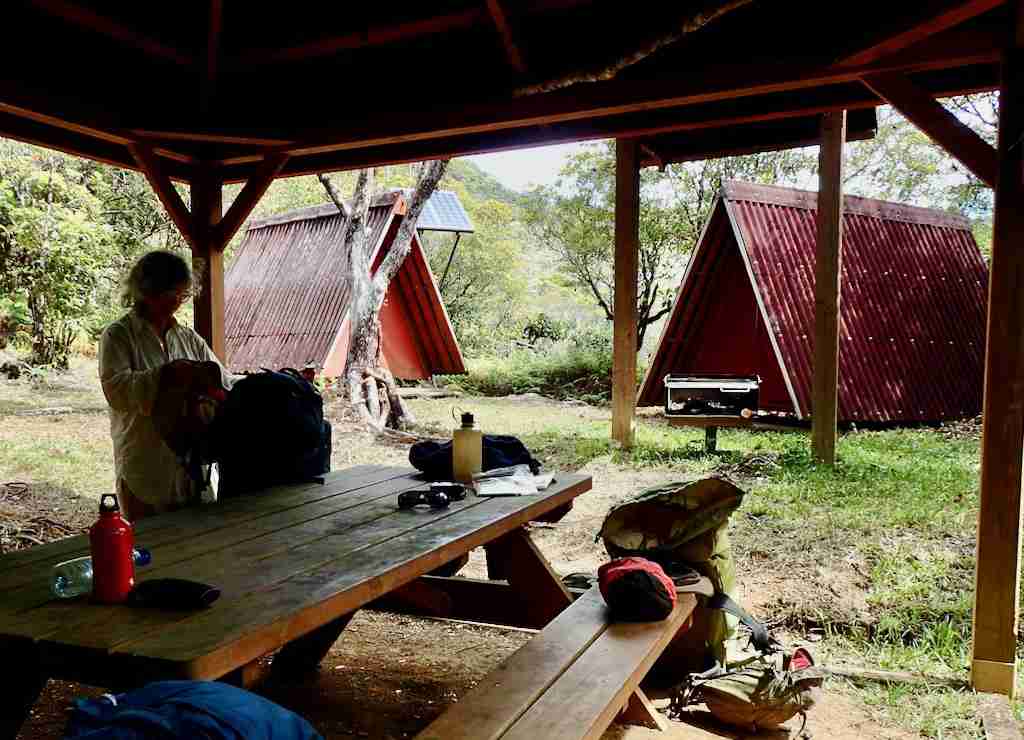
At night, we will sleep in cabins, shelters, or tents.
A food drop will prevent us from transporting ten days of food. It will be organised on the 4th day, so we will only have to carry six days of food on the second section of the route.
On the 11th day, you can enjoy a day off in Nouméa while I prepare our second walk in the Northern Province Nord (Province Nord) in Kanak lands.
Grande Randonnée GR2 - Bushwalking the North Province (Province Nord)
We will reach the start of our second hike by taking the local bus. It takes around 5 hours to reach the Northern Province from Nouméa.
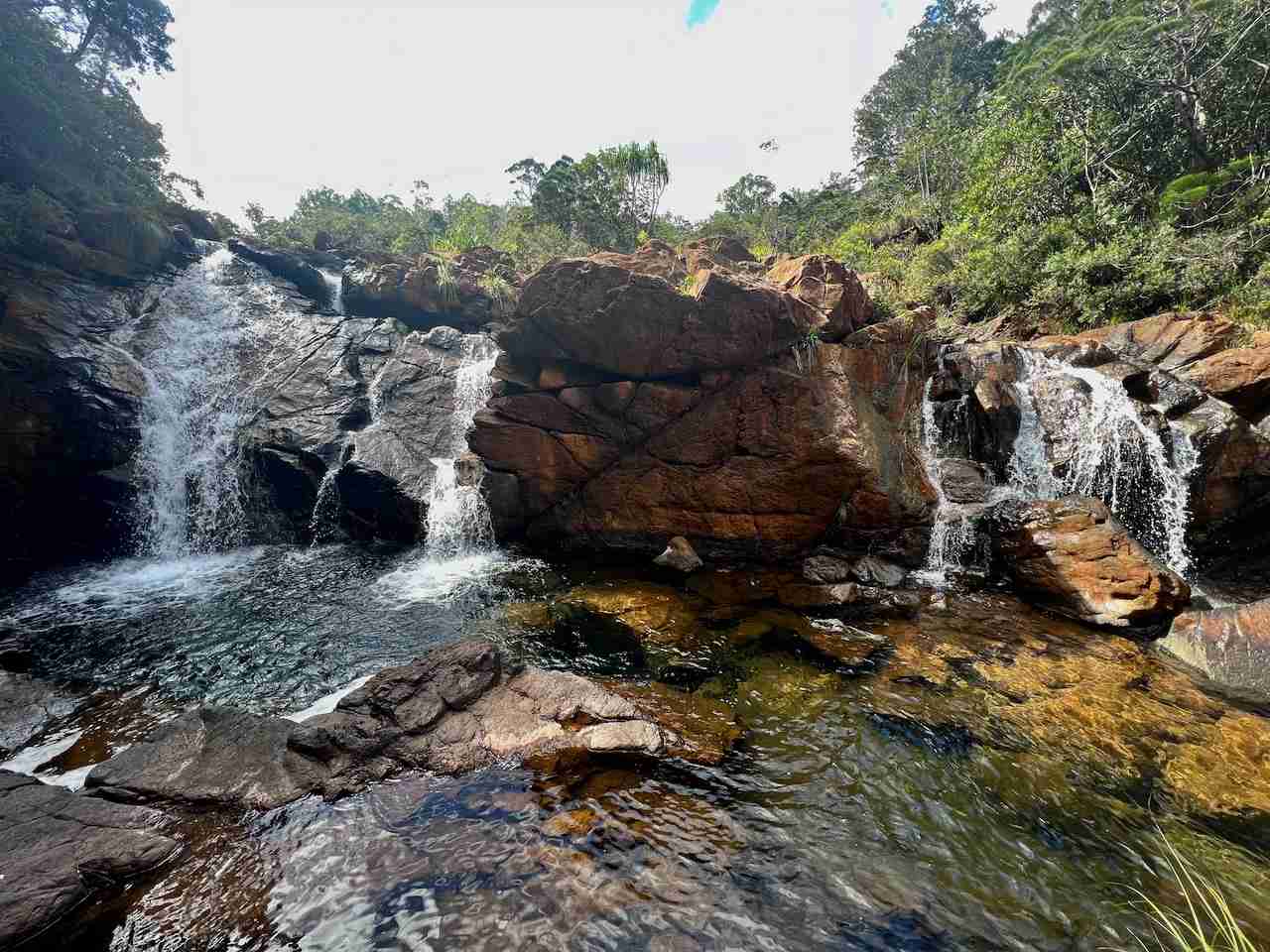
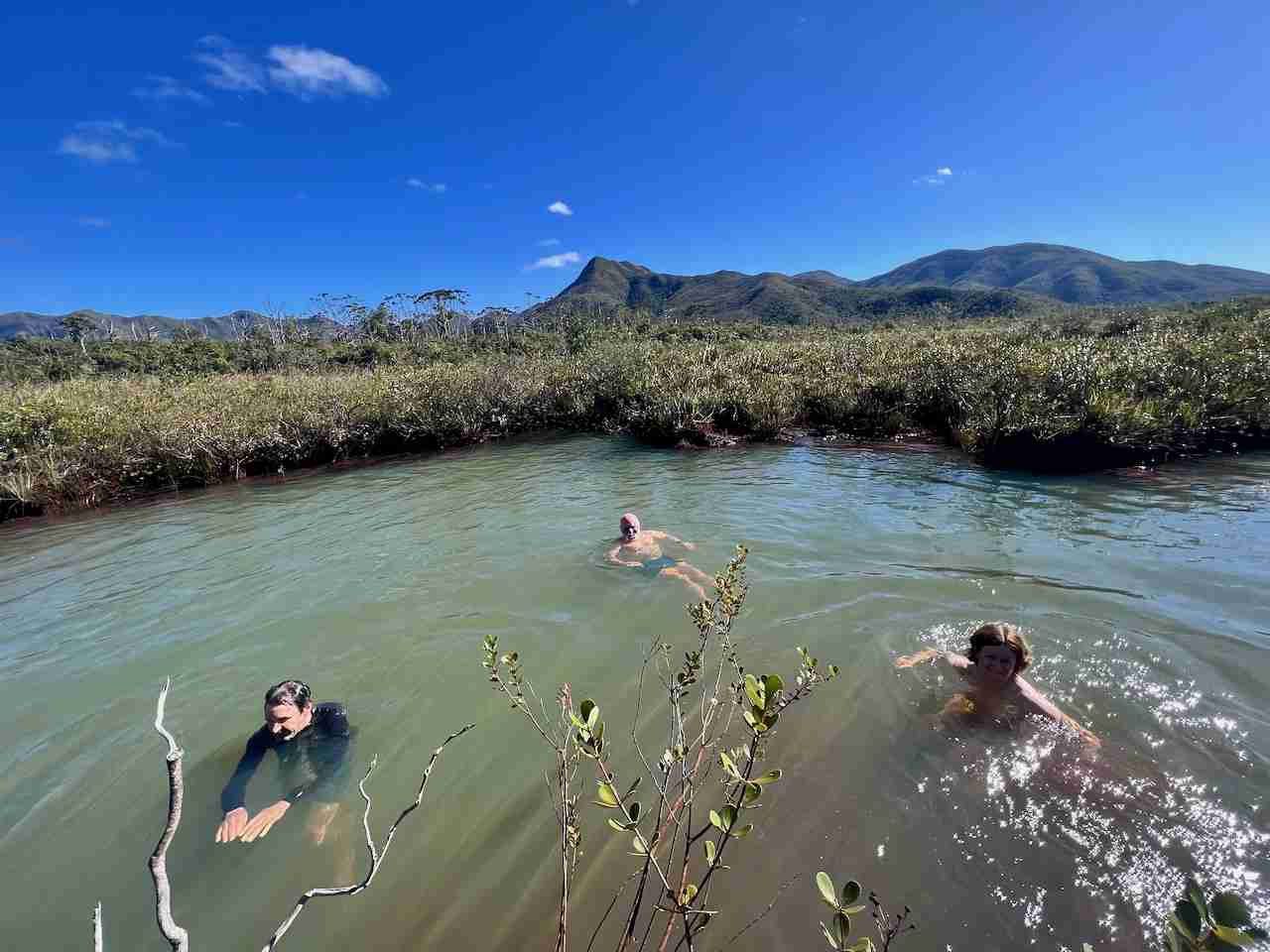
On the GR2, we will walk for five days, but we will not have to carry our backpacks. They will be transported by car to each village. Freed from the weight of our bags, we will be able to appreciate the tropical landscapes of the Northern Province even more. Most of the tracks are old redeveloped Kanak tracks that are well maintained. Along our way, we will have the opportunity to swim in streams or waterfalls.
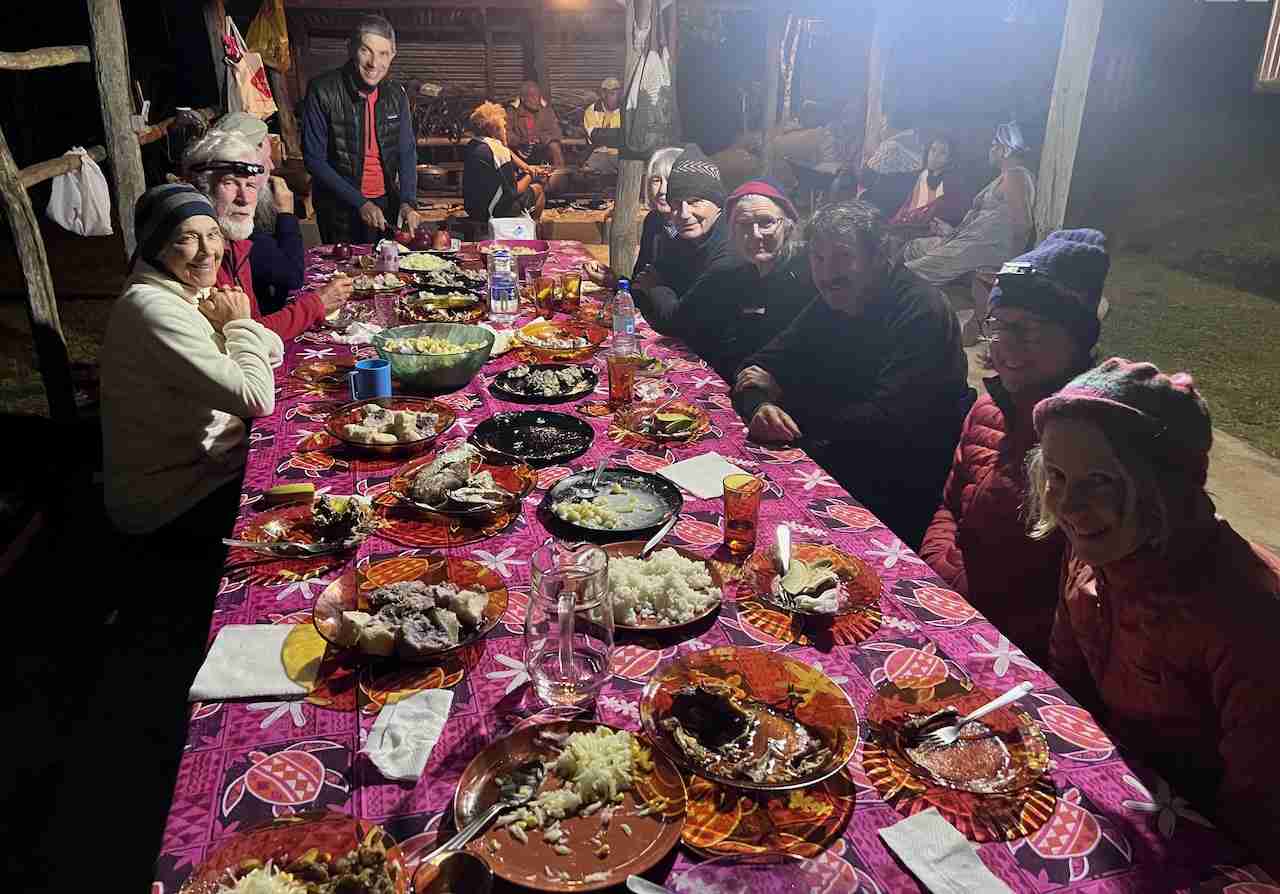
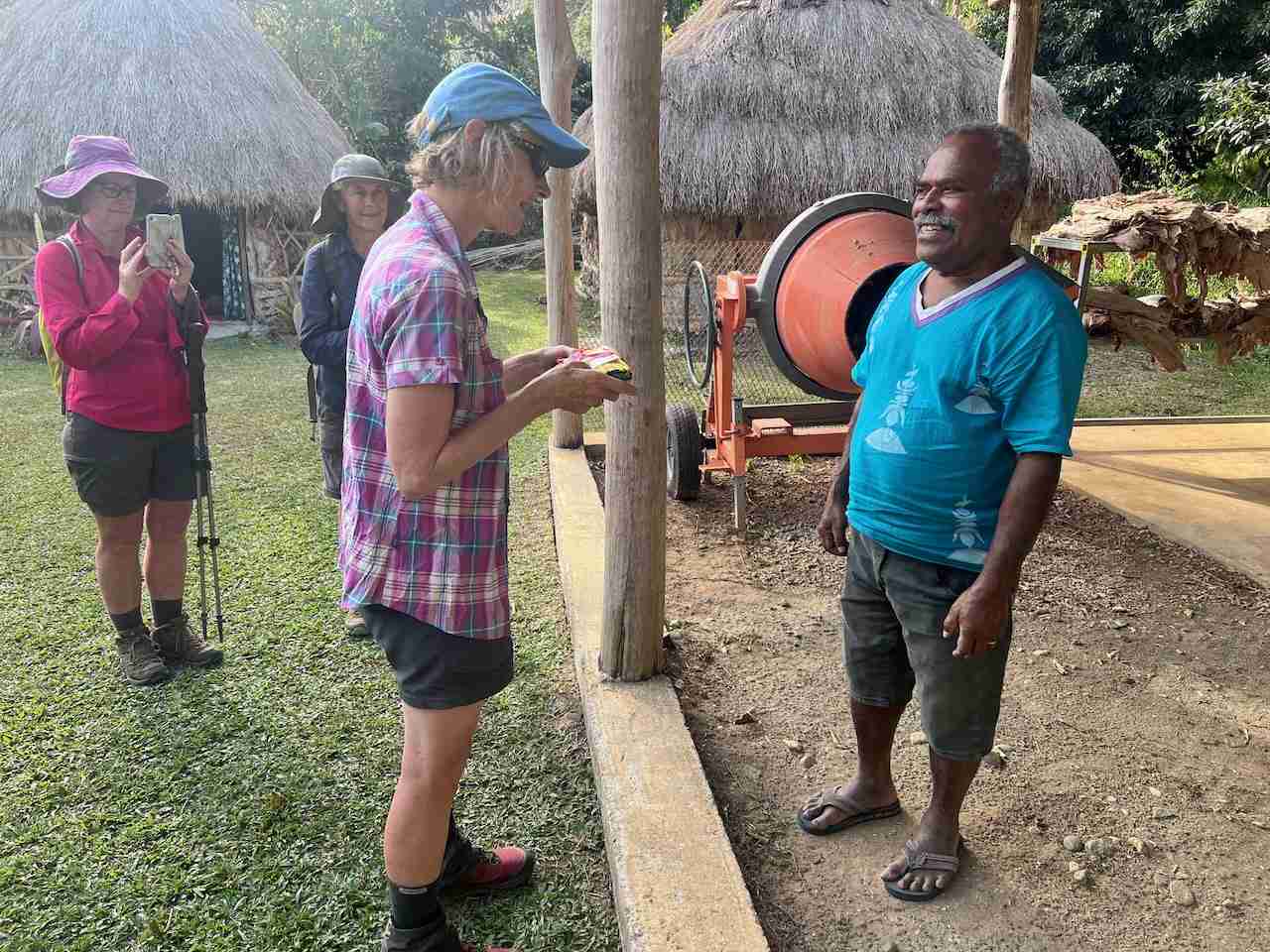
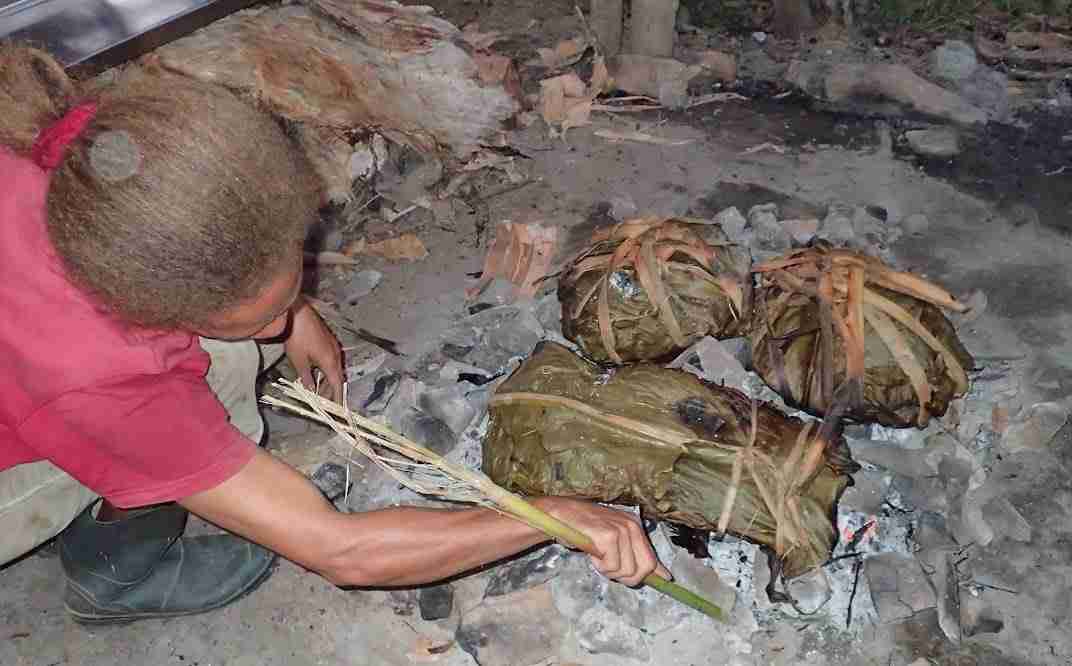
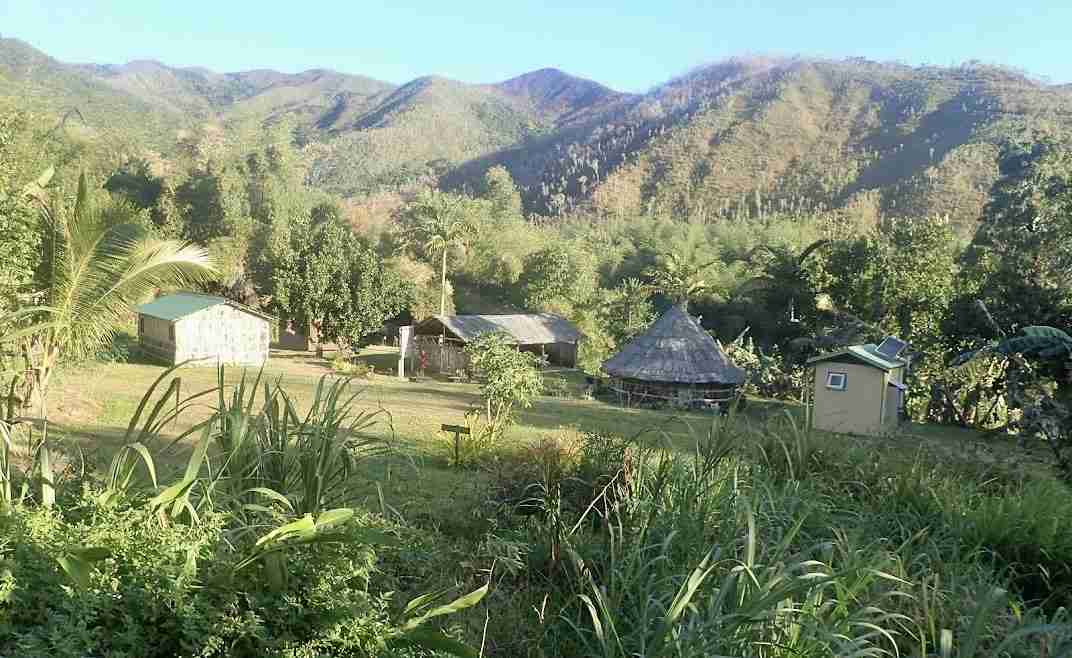
We will sleep in the Kanak villages in the evening, where we will be served dinner and breakfast. We will then discover the local gastronomy, particularly the famous "Bougna", a traditional Kanak dish cooked from yams, tarot, sweet potatoes and coconut milk. This is a dish that we will discover at Helene in Tchamba and also at Michel in Napoepa.
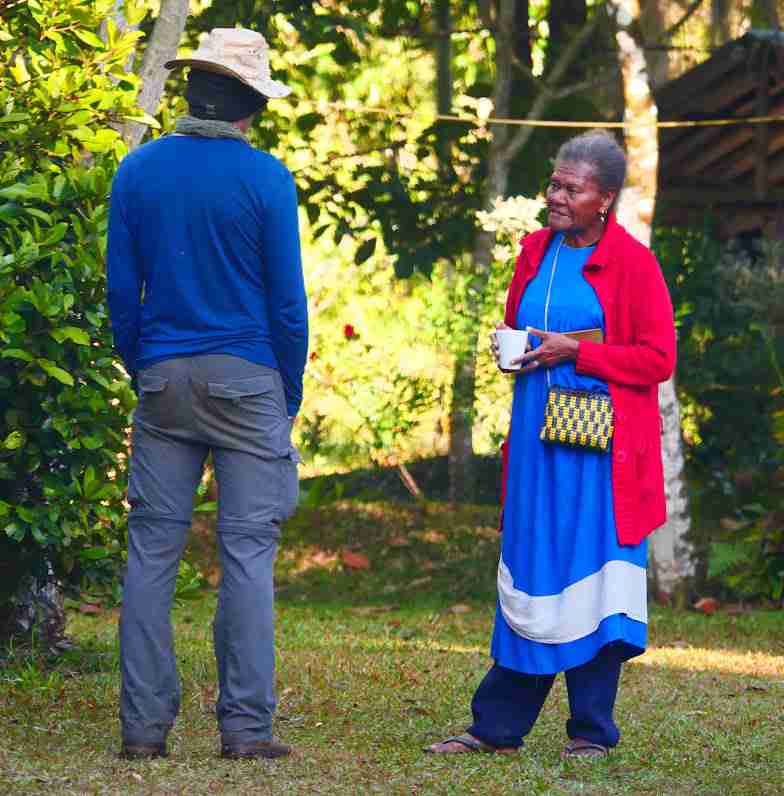
Immersion in Melanesian culture is one of the highlights of this trip to New Caledonia. “The Kanak is welcoming by nature”, as Jacques Thy likes to tell me, whom we will meet at his home in Ouanache.
Ile des Pins
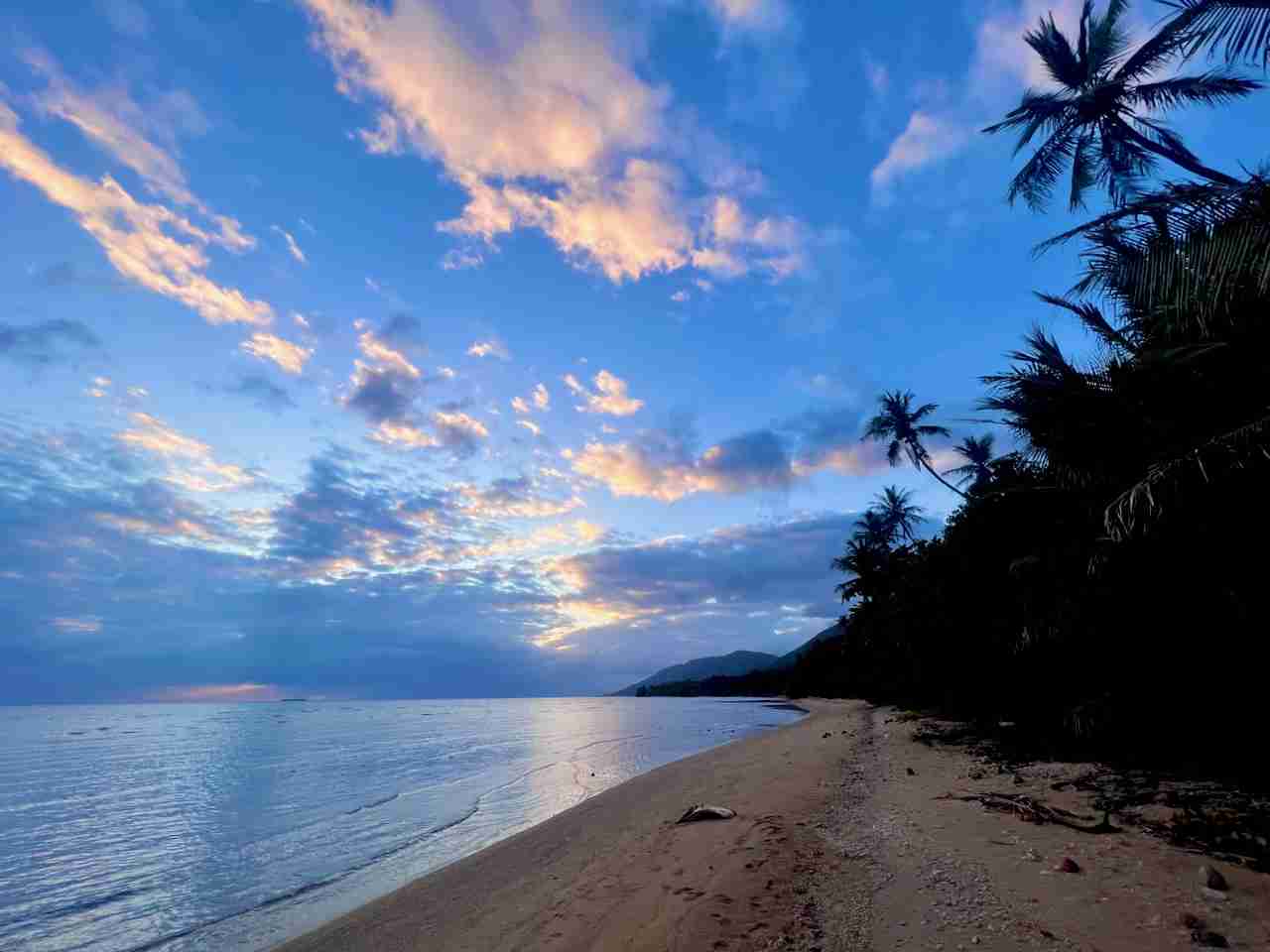
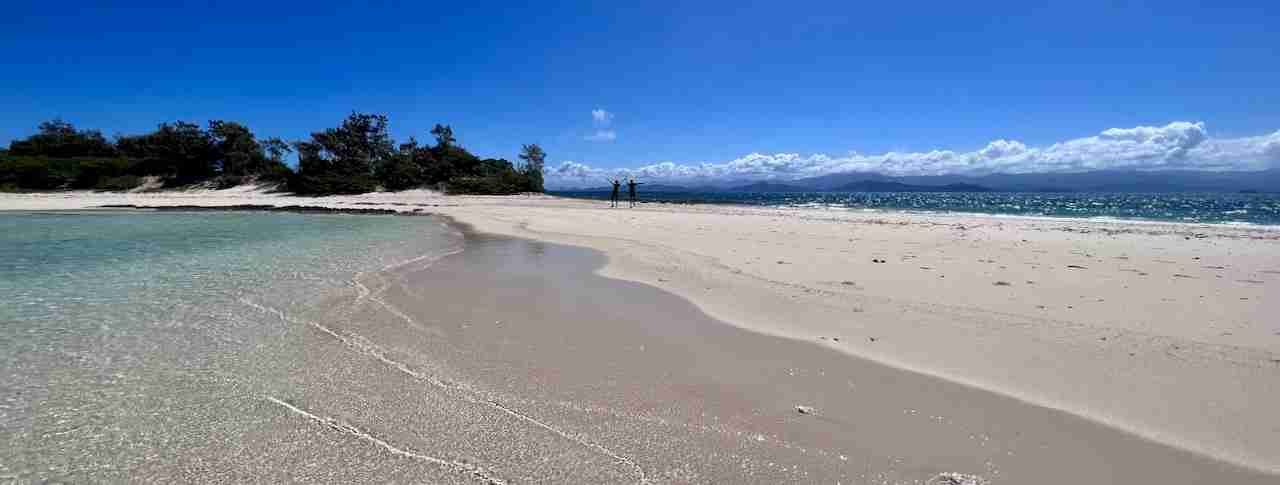
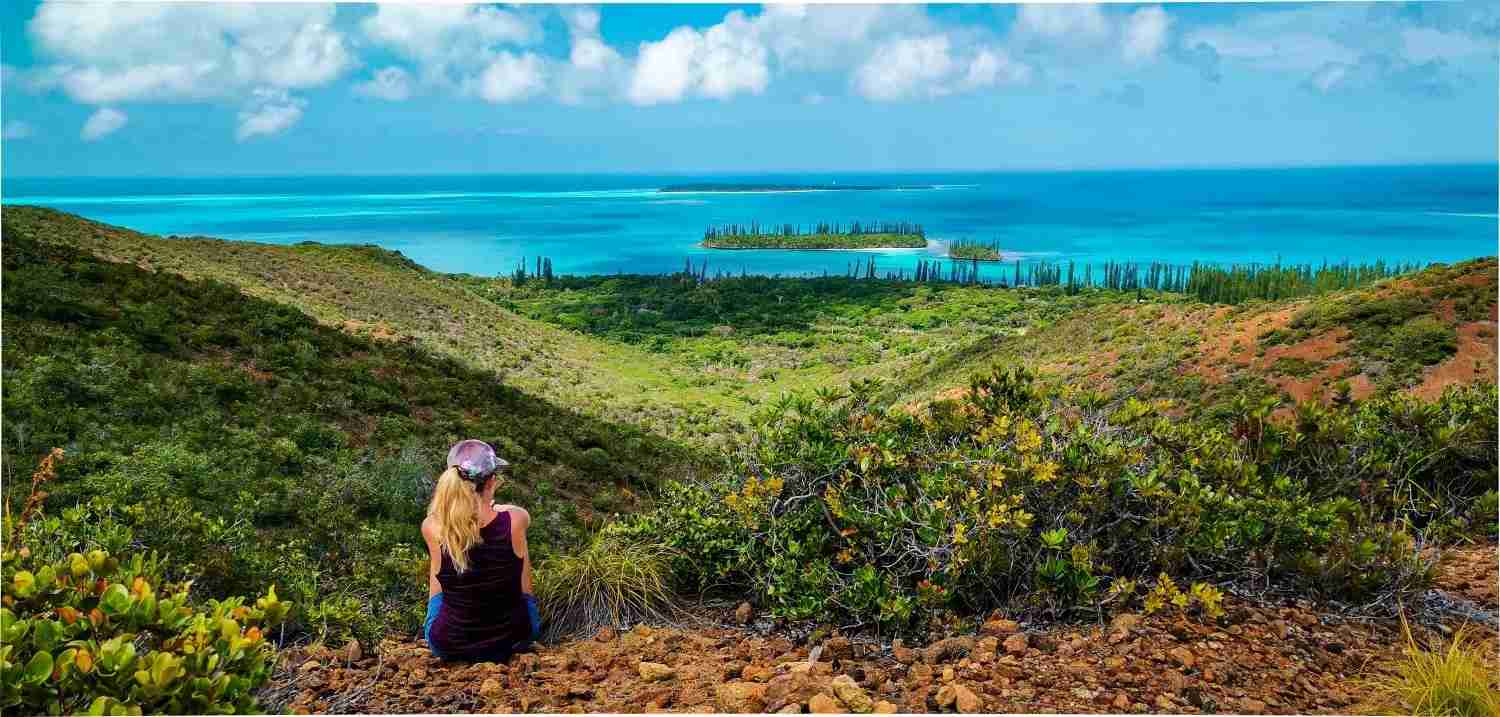
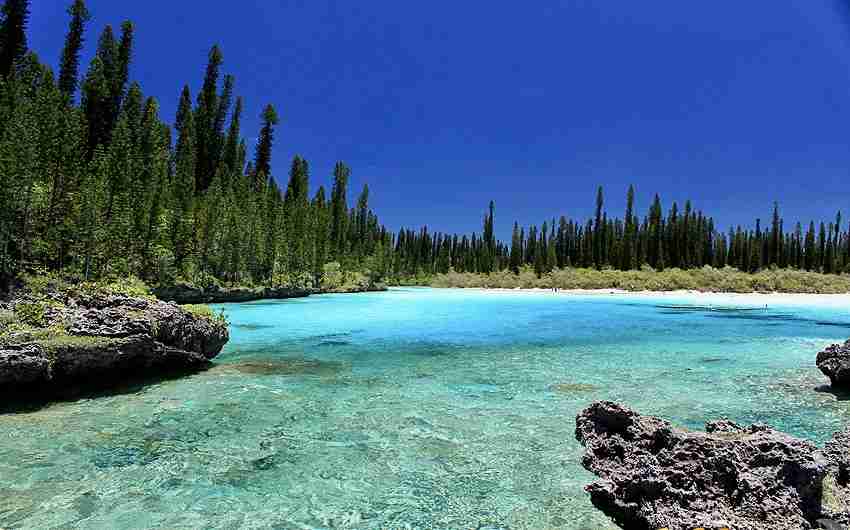
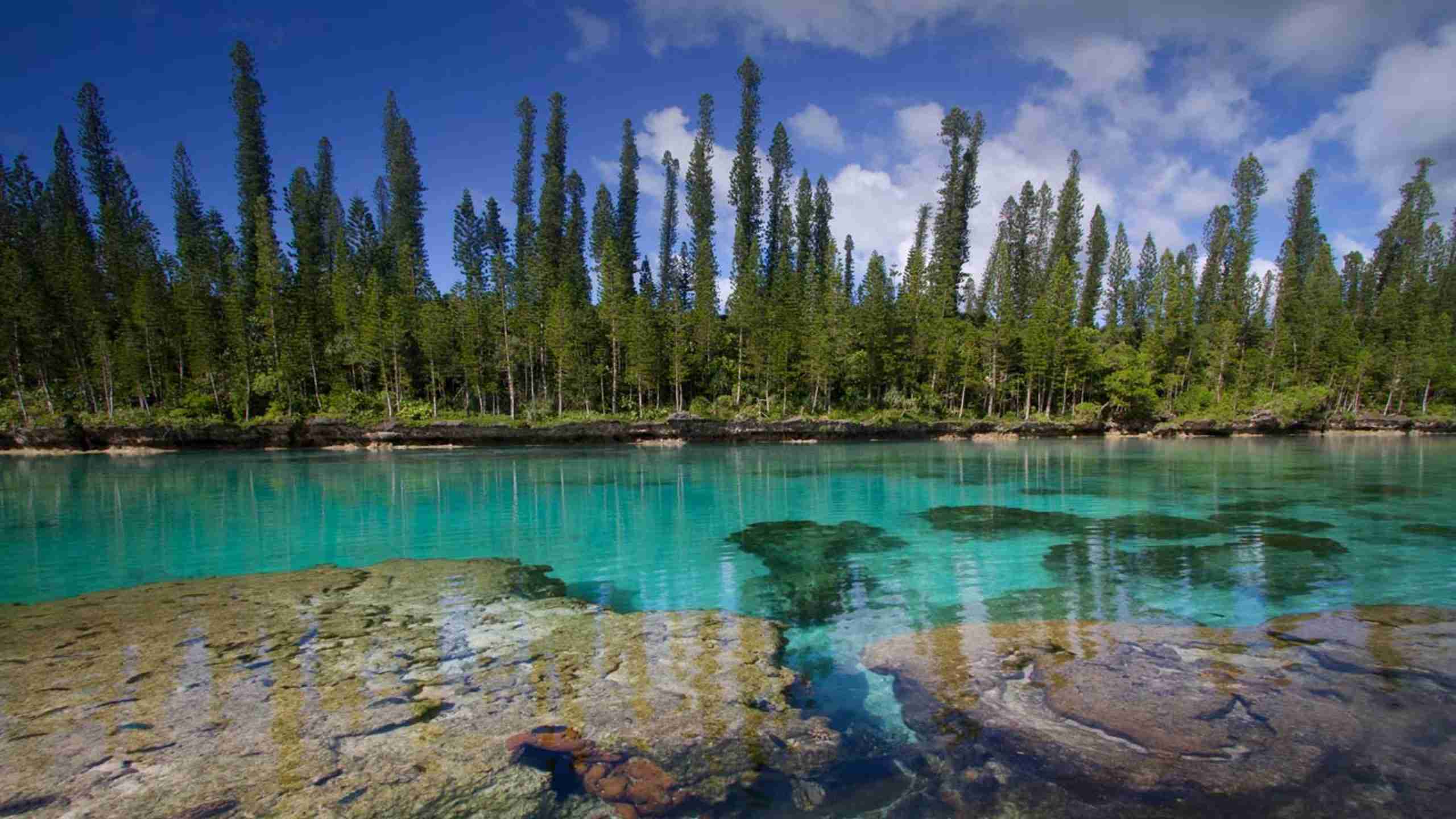
We will end our discovery of New Caledonia with a trip to the magnificent Isle of Pines (Ile des Pins), covered with colonial pines and lined with bays inviting for swimming in the crystal waters.
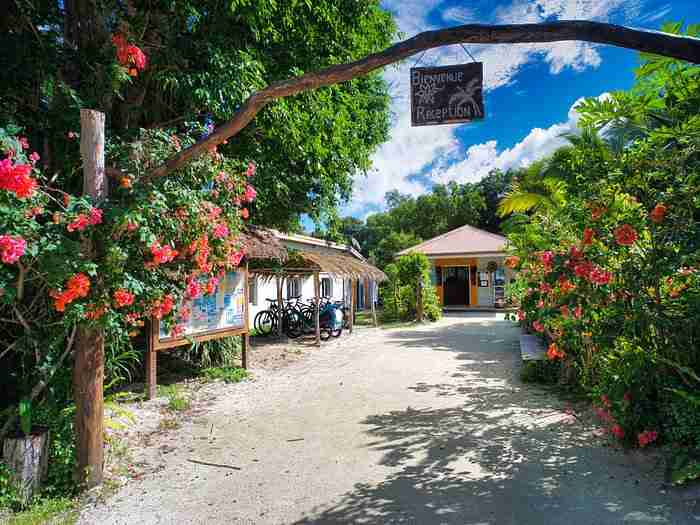
On the Ile des Pins, we will sleep in a cottage where you can choose the accommodation you want according to the comfort that suits you best.
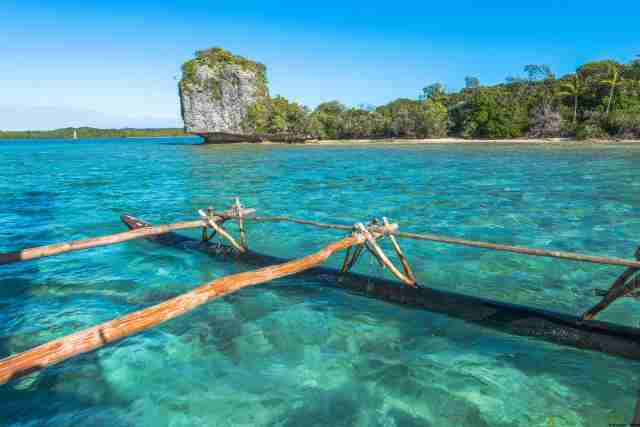
We will explore the island by traditional canoe and on foot, and we will end our trip with a boat excursion where we will have lobster, fish, or chicken lunch.
Then we will return to Nouméa by ferry on Sunday 27 October in the late afternoon (Waiting for ferry schedule confirmation).
And if you want, we can organise a farewell dinner in a gourmet restaurant in Nouméa.
Loyalty Islands - Lifou and Maré
There is a possibility of a one or two-week extension to visit either or both of the loyalty Islands, Maré and Lifou. It may be possible to do without doing the rest of the trip. Please contact me if you are interested.
Weather
October is the most pleasant month of the year to discover the island of New Caledonia. We should enjoy a tropical climate similar to the one we experience near Brisbane. It should, therefore, be sunny, but it could also rain or be very hot.
Average temperatures are between 15 and 26 degrees. In the Southern Province, the nights can be pretty cold when we sleep in high-altitude shelters. And like in Australia, it can also be very hot during the afternoon when the sky is blue.
We will have rain during these 22 days together. You must take the flight if you want to sleep in your tent.
For my part, I don't carry rain clothes but if you choose to take some, make sure to take some light ones.
Inclusions
Including
- All transports GR1 & GR2 (Including Transport of the Backpacks on GR2)
- Accommodation GR1 & GR2
- Dinners GR1 & GR2
- Breakfasts GR2
Excluding
- Return flights Australia/New Caledonia
- Hotel in Nouméa (minimum of 5 nights)
- Breakfasts & Lunches on GR1
- Lunches on GR2
Ile des Pins:
Including
- All Transports (by boat or by plane)
- 1-day Boat Excursion
- 1-day Canoe + Walk
Excluding
- Accommodation
- Breakfasts (3), lunches (2) and Dinners (3),
Optional activities:
Visit of the Loyalty Islands (Maré and Lifou)
I would love to organise a two-week tour of the islands of Maré and Lifou. It would take 3 participants.
New Caledonia separated from Australia around 80 million years ago. Tectonic forces carried it like a cork towards the immensities of the Pacific Ocean. It is now located 1630 km from Brisbane and 2260 km from Sydney. It's both far and so cloth!
New Caledonia has been a French territory since 1853 but has been inhabited for around 3000 years by Austronesian populations. Therefore, European culture through French and Melanesian culture coexist on "Le Cailloux" (The Rock), which the natives affectionately call New Caledonia. In a fairly schematic way, French culture is found mainly in the Southern Province around Nouméa and Kanak culture in the Northern Province.
As Bushwalkers travellers, we will have the chance to discover these two provinces by following two Great Walk trails in both provinces, the so-called NC GR1 and NC GR2.
The South Province is, as its name indicates, the southern part of the Big Island of New Caledonia. It has managed to preserve a vital biodiversity, particularly in the Riviére Bleue Provincial Park. It’s a botanist’s paradise! A bushwalking path of around 120 km crosses this park. The NC GR 1 (Nouvelle Caledonie Grande Randonnée 1 - New Caledonia Great Walk 1) crosses the south of the Province through the centre, starting from the small village of Prony on the bay of Prony to the Dumbéa valley. It is a route that allows you to explore the two main types of vegetation: mining "macquis" and more or less dense rain forests. We will find giant kaoris, immortal Neocallitropsis and gum oaks, forests of "pins colonaires" or carnivorous plants (Nepenthes) in these almost entirely endemic environments. On the GR2 in the Northern province, tree ferns (cyathea) and niaoulis (melaleucas) will be added. The GR North in Kanak lands will take us through a labyrinth of rainforests and rivers. But beyond the beauty of the landscapes, the villagers' welcome will mark our hike. We will discover Kanak culture through the kindness of our hosts and the quality of their cuisine.
Nepenthes Vieillardii
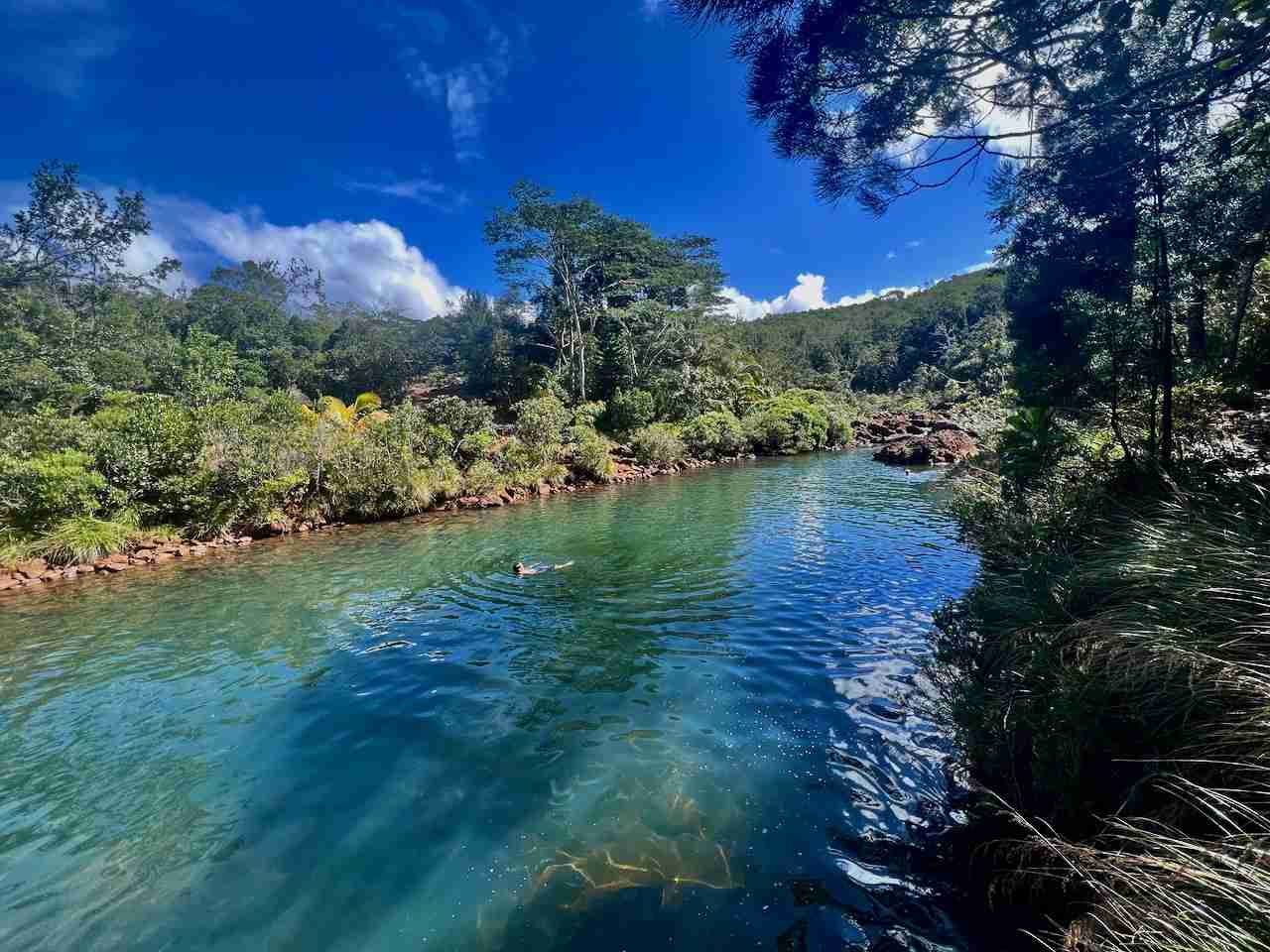
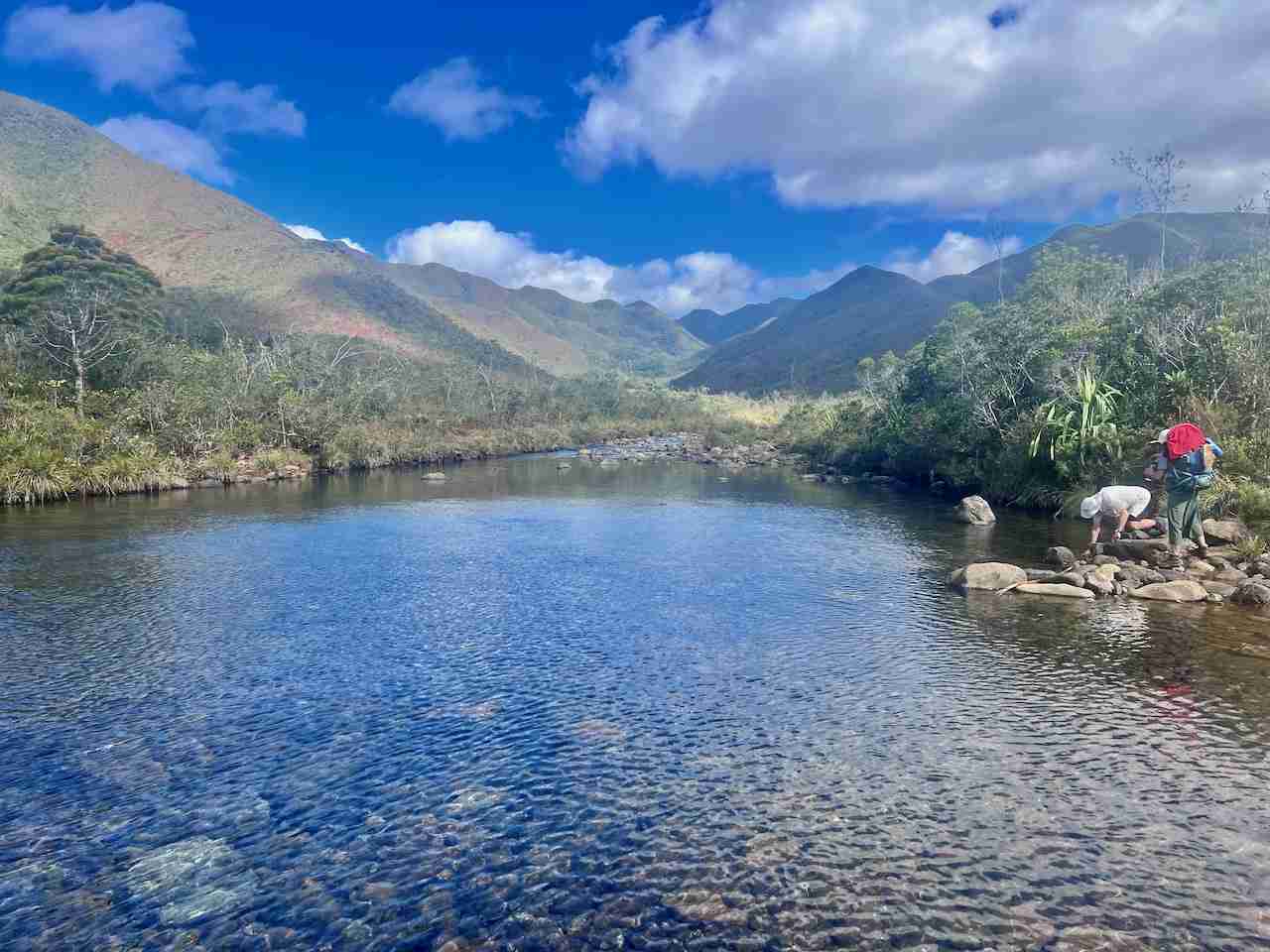
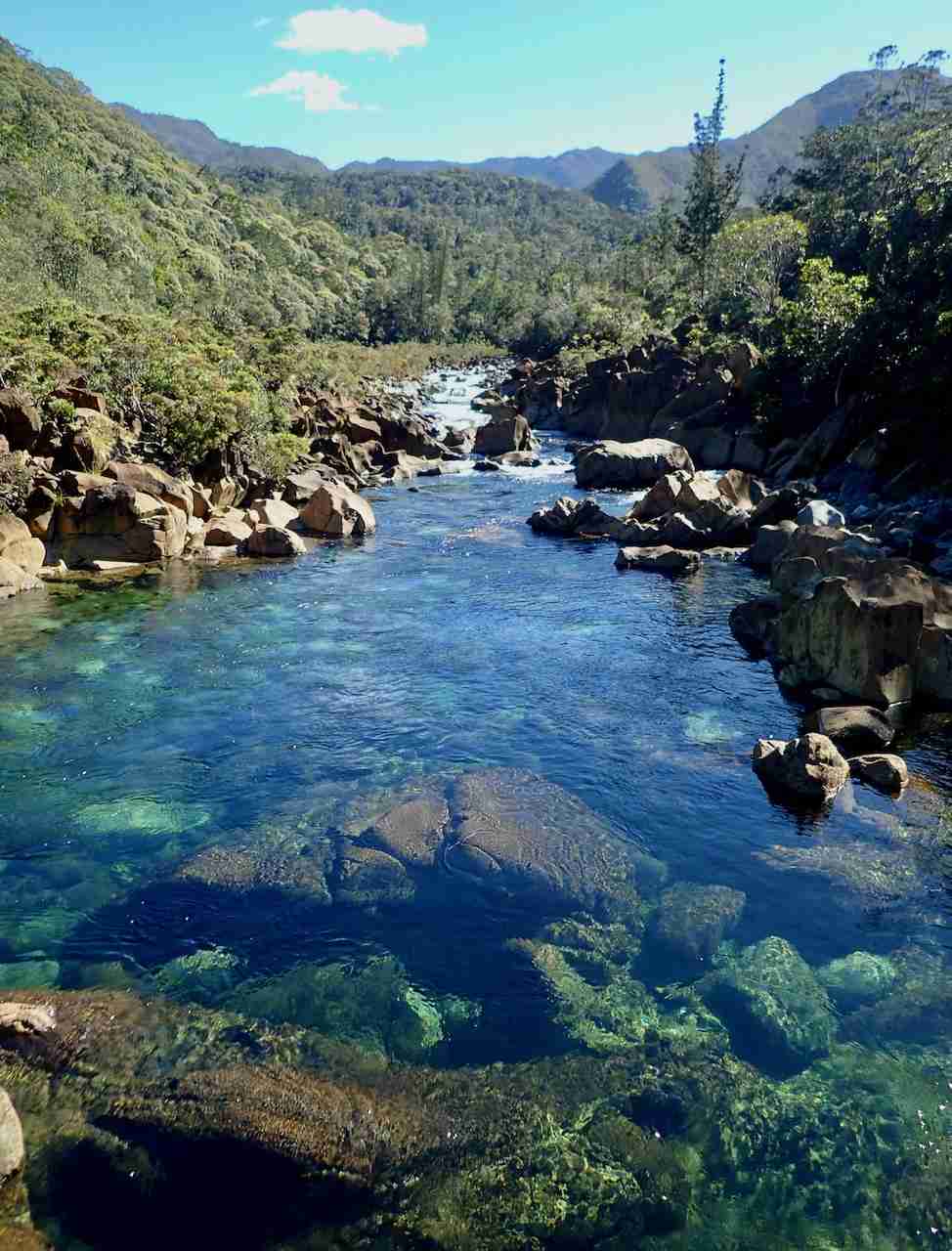
La Petite Rivière Bleue (The Little Blue River)
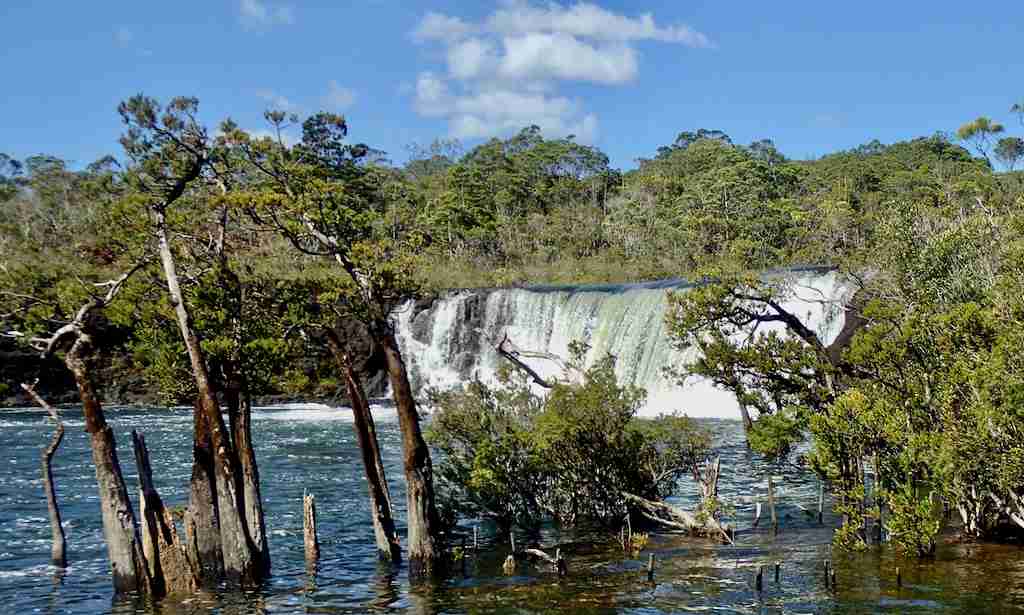
Cascade du Carénage (Carénage Falls)
Baie de Prony (Prony's Bay)
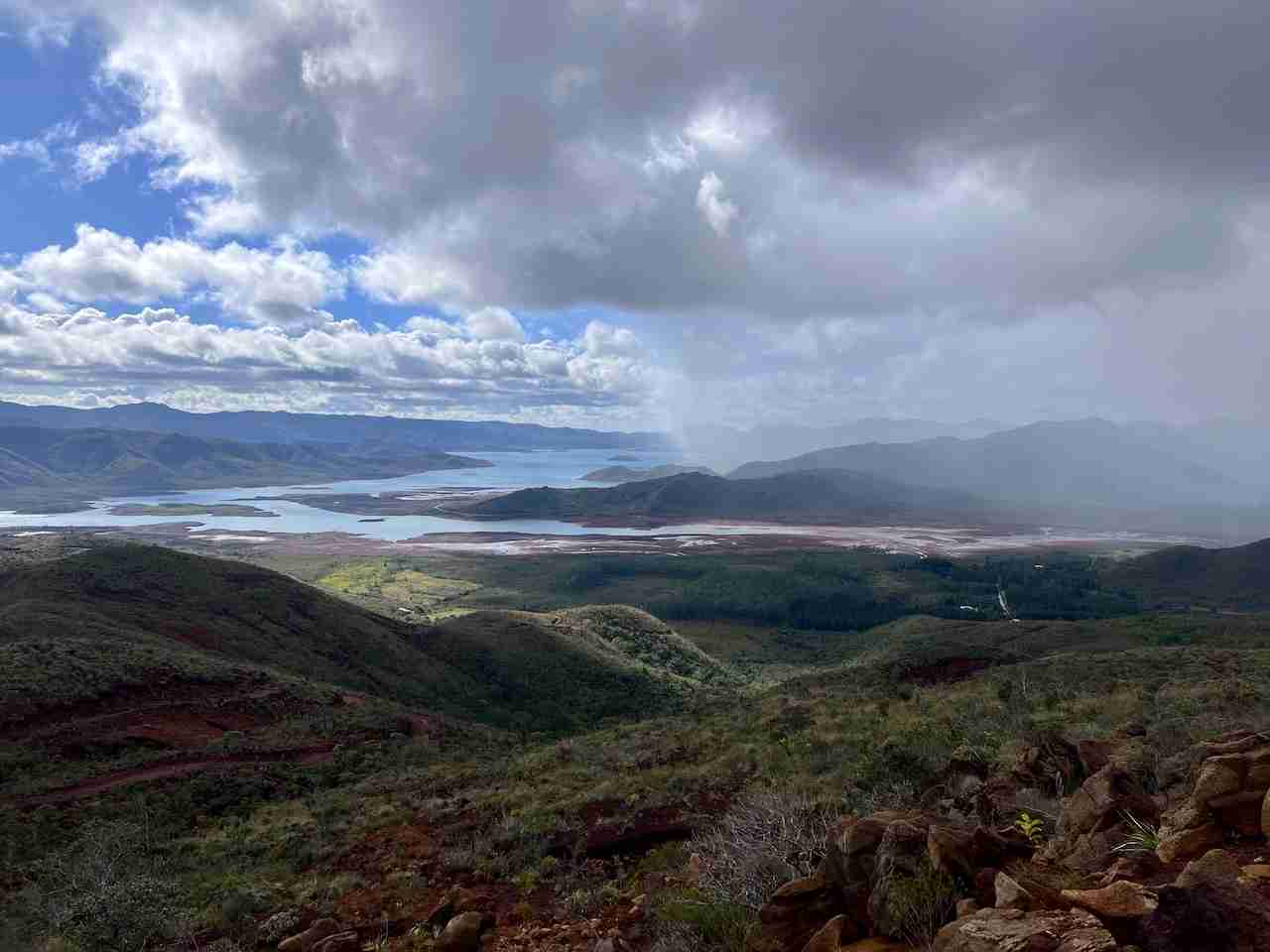
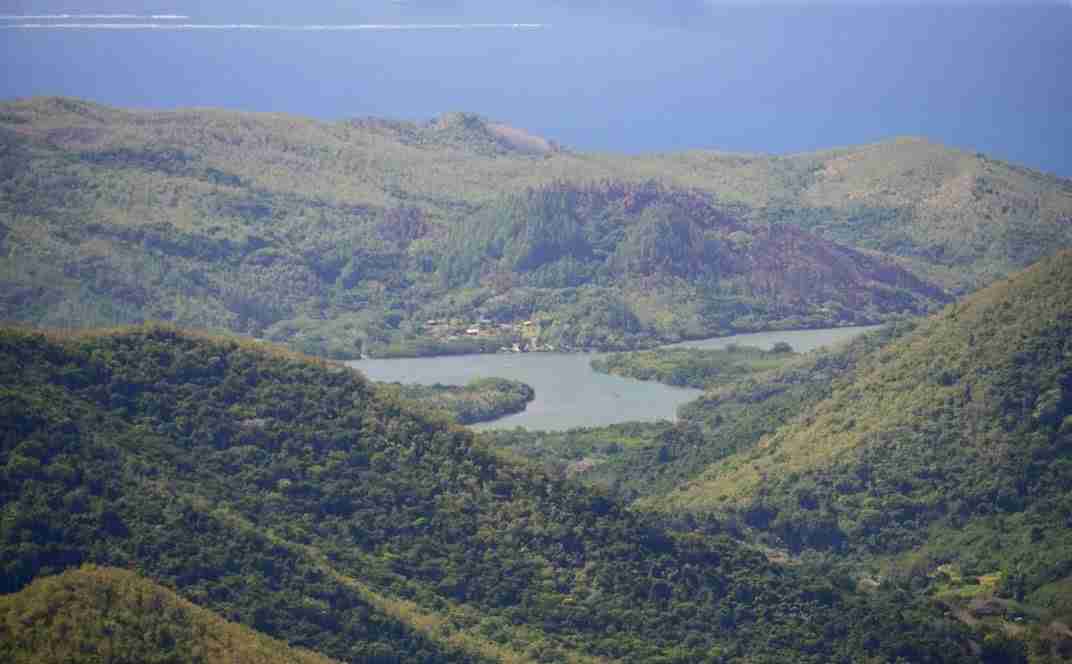
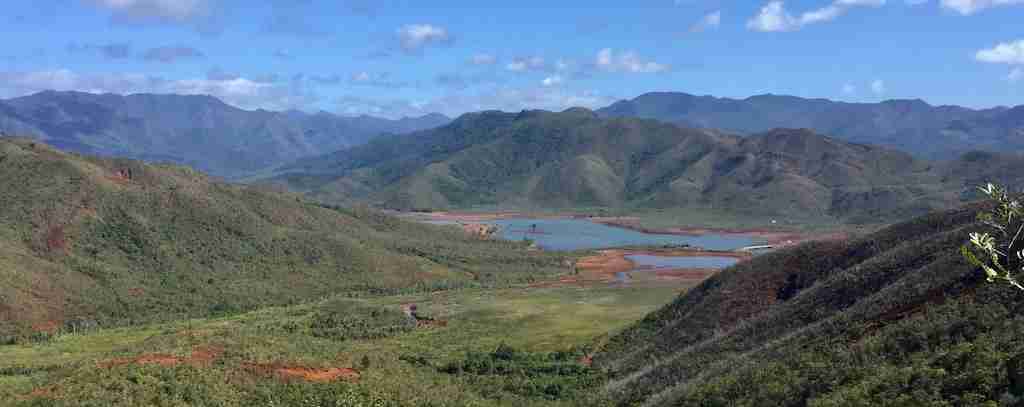
Lake Yaté in the Rivière Bleue Park
Macquis Minier (Miners Scrub)
Refuge de Neocallitropsis (Neocallitropsis Shelter)
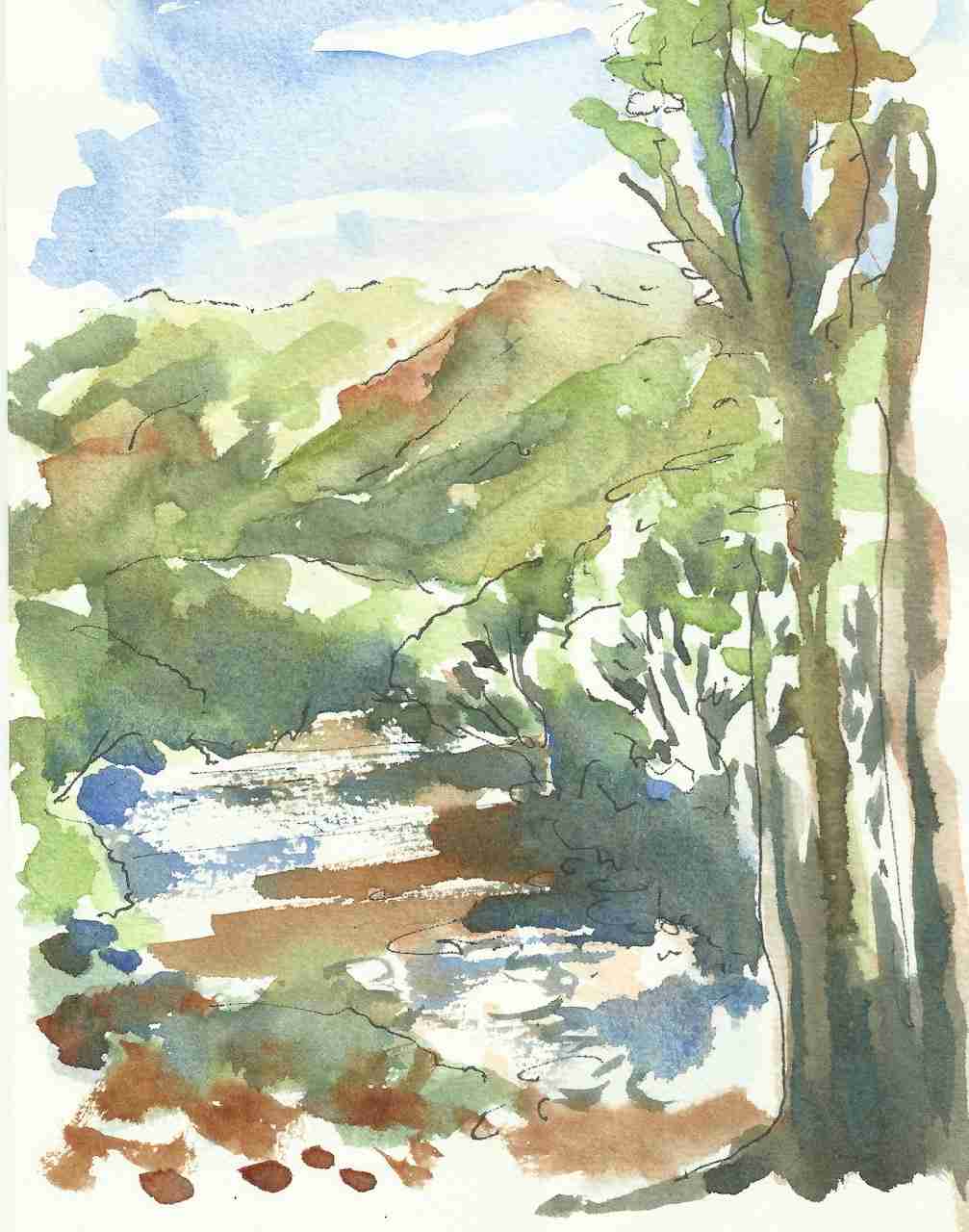 Parc-Provincial-De-La-Riviere-Bleue
Kaori des Montagnes - Agathis Ovata ( Mountain Kaori - Agathis Ouata )
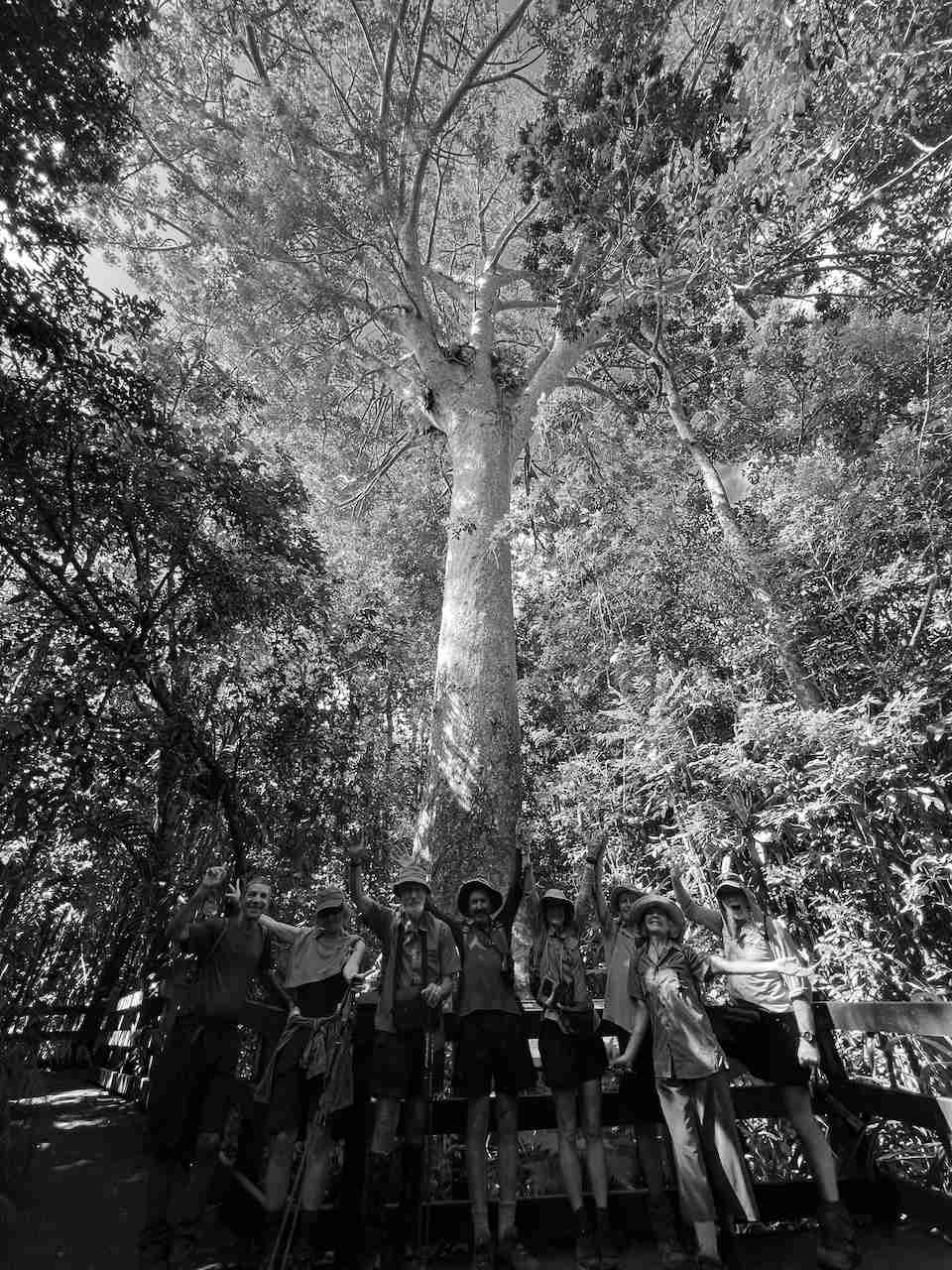
Kaori Géant- Agathis Lanceolata (Giant Kaori - Agathis Lanceolata)
Creek Pernod
La Rivière Bleue (The Blue River)
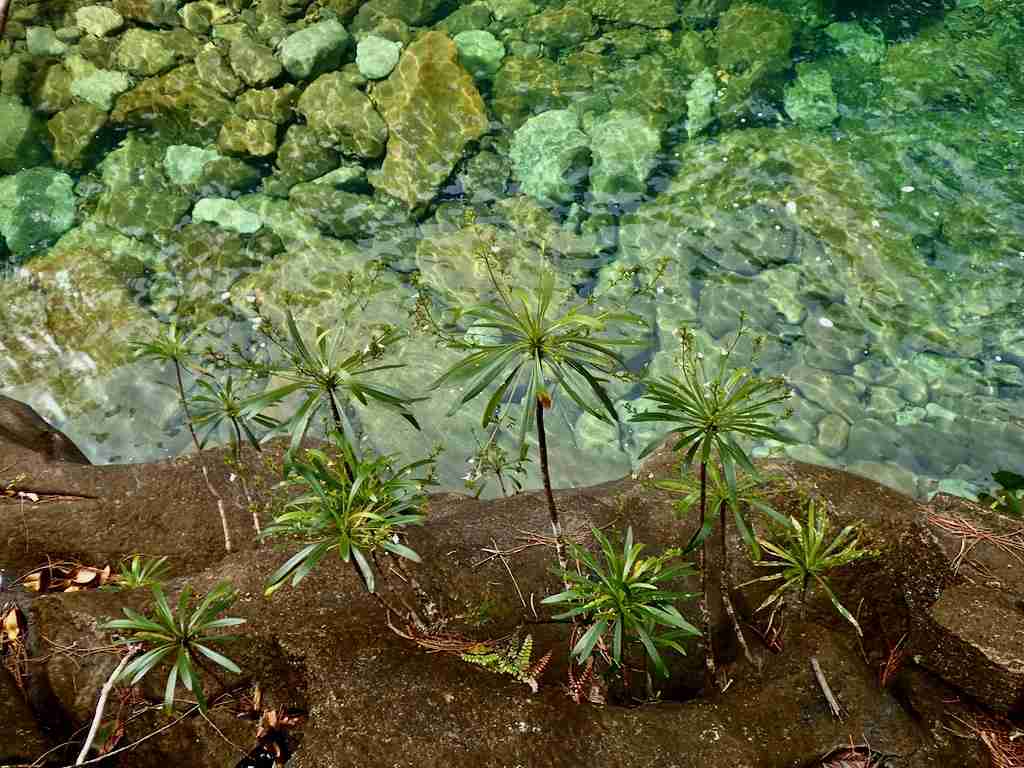
La Grande Cascade (The Great Cascade)
Creek Crossing
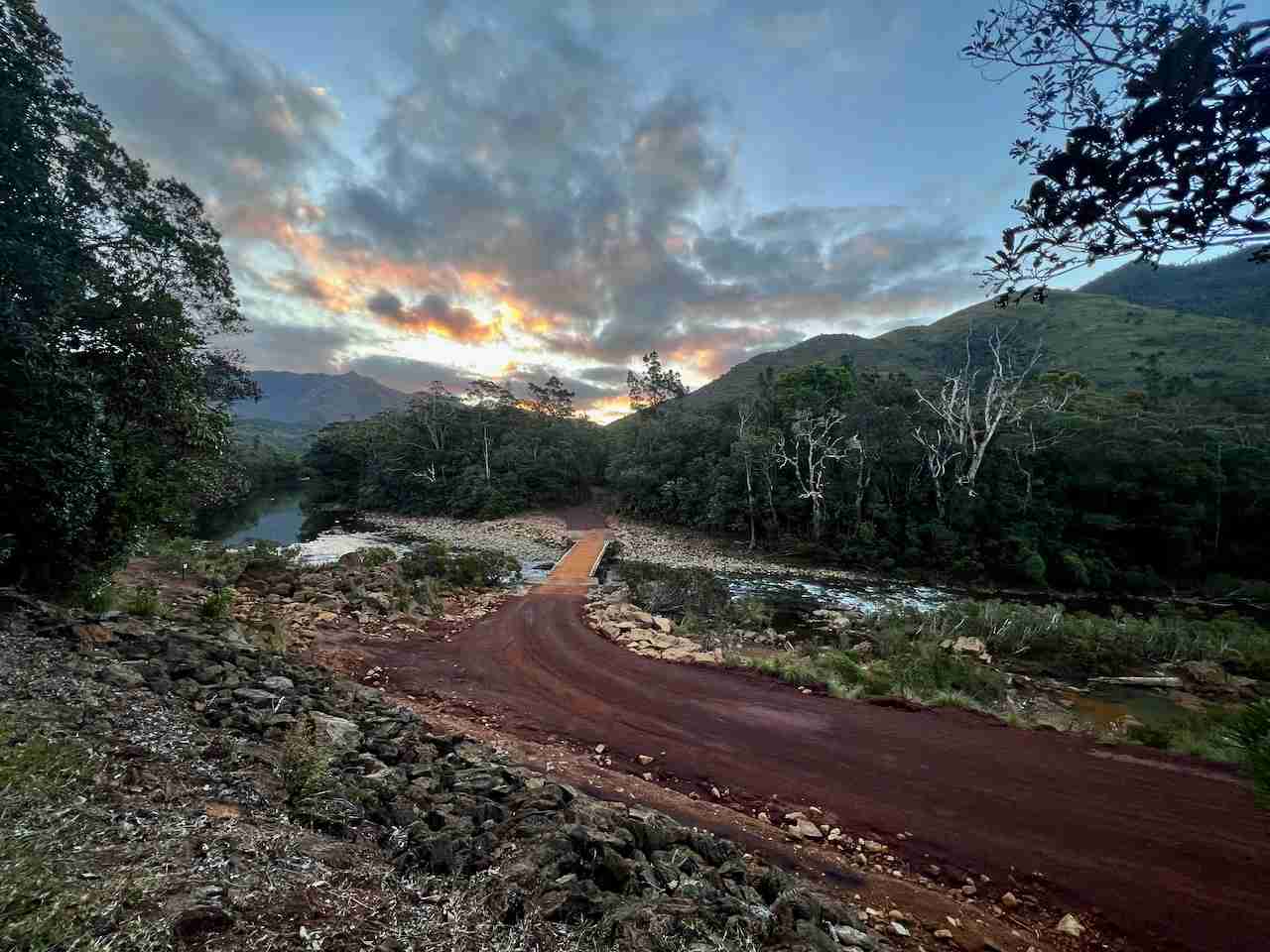
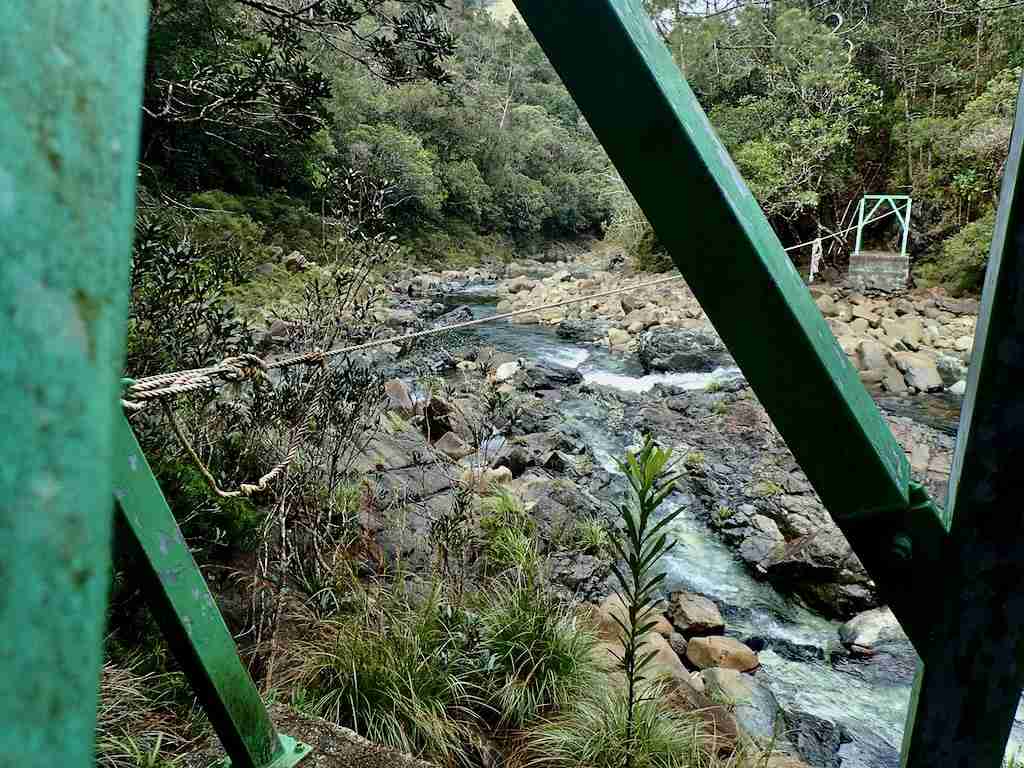
Pont Germain (Germain Bridge)
Rest time
Lynette bird!
Pont Germain Rest Area and Camp!
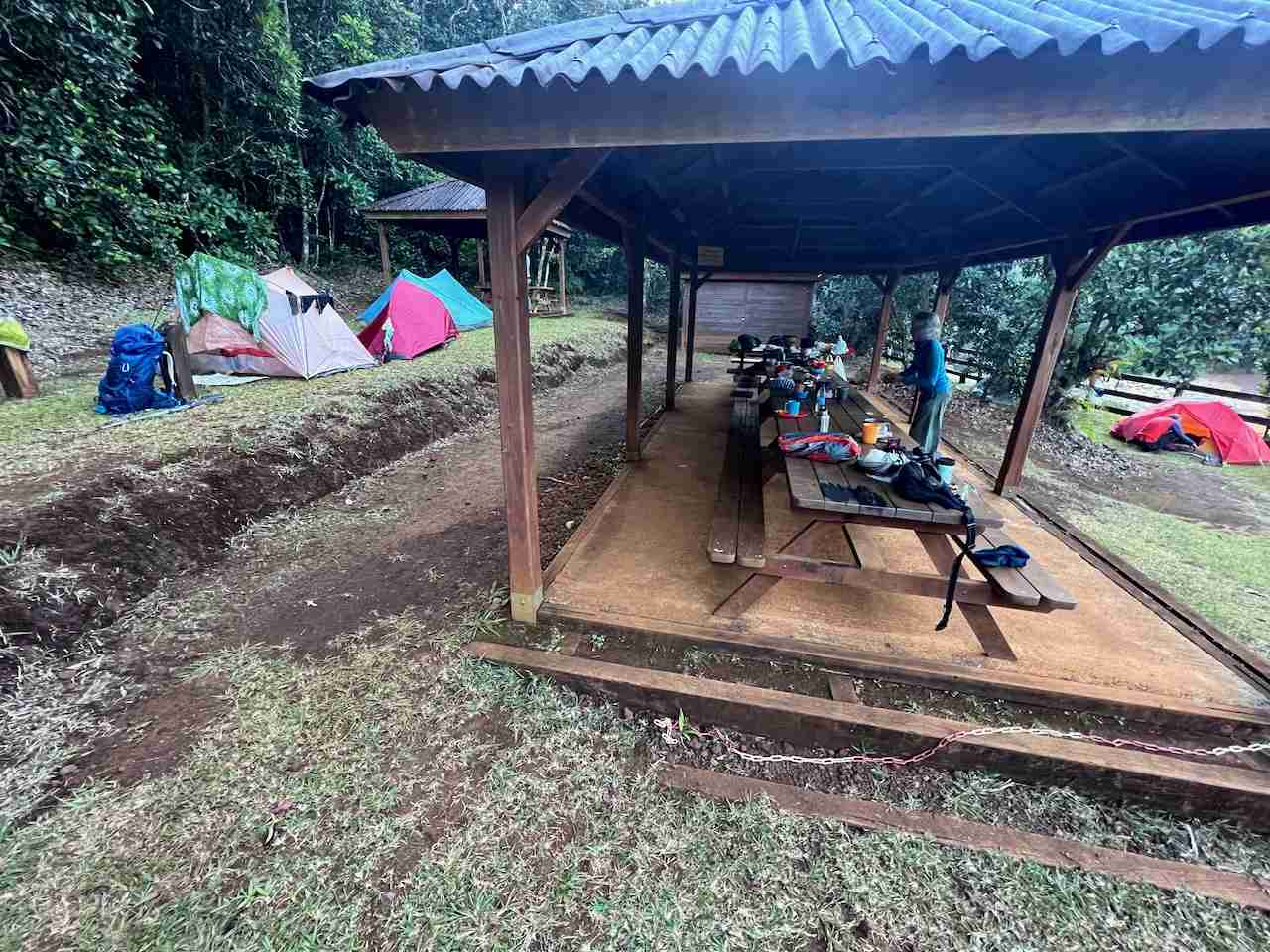
Camp des Fougères (Ferns Camp Shelters)
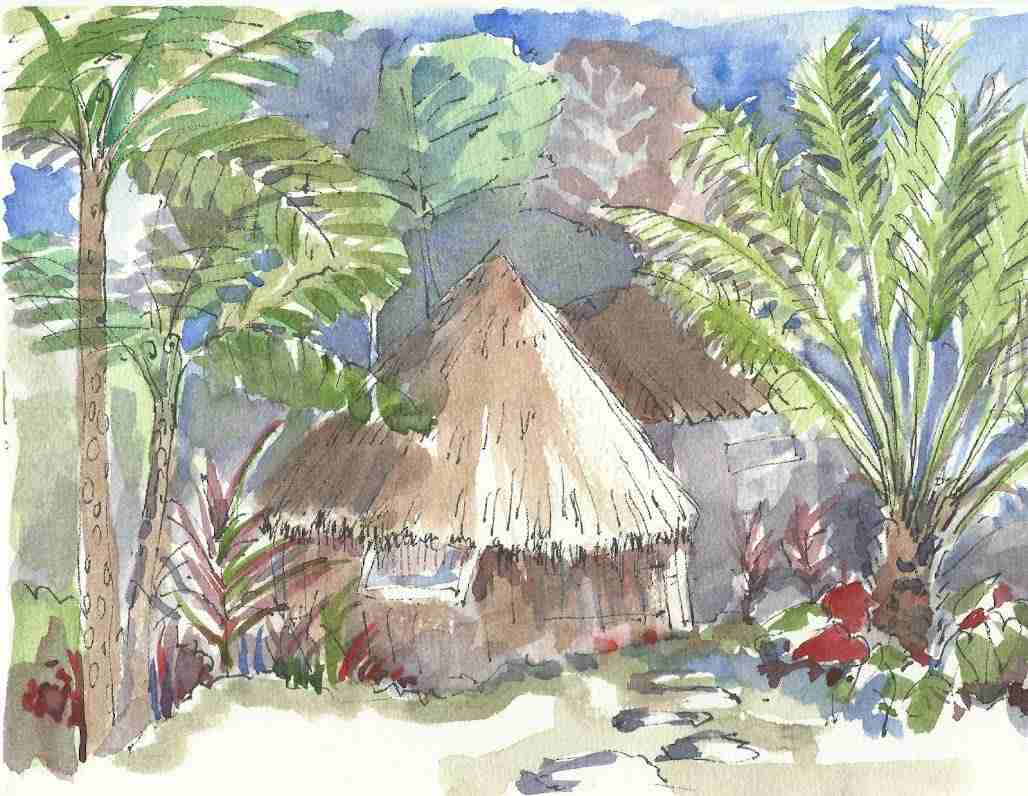
GR2 (Grande Randonnée 2)
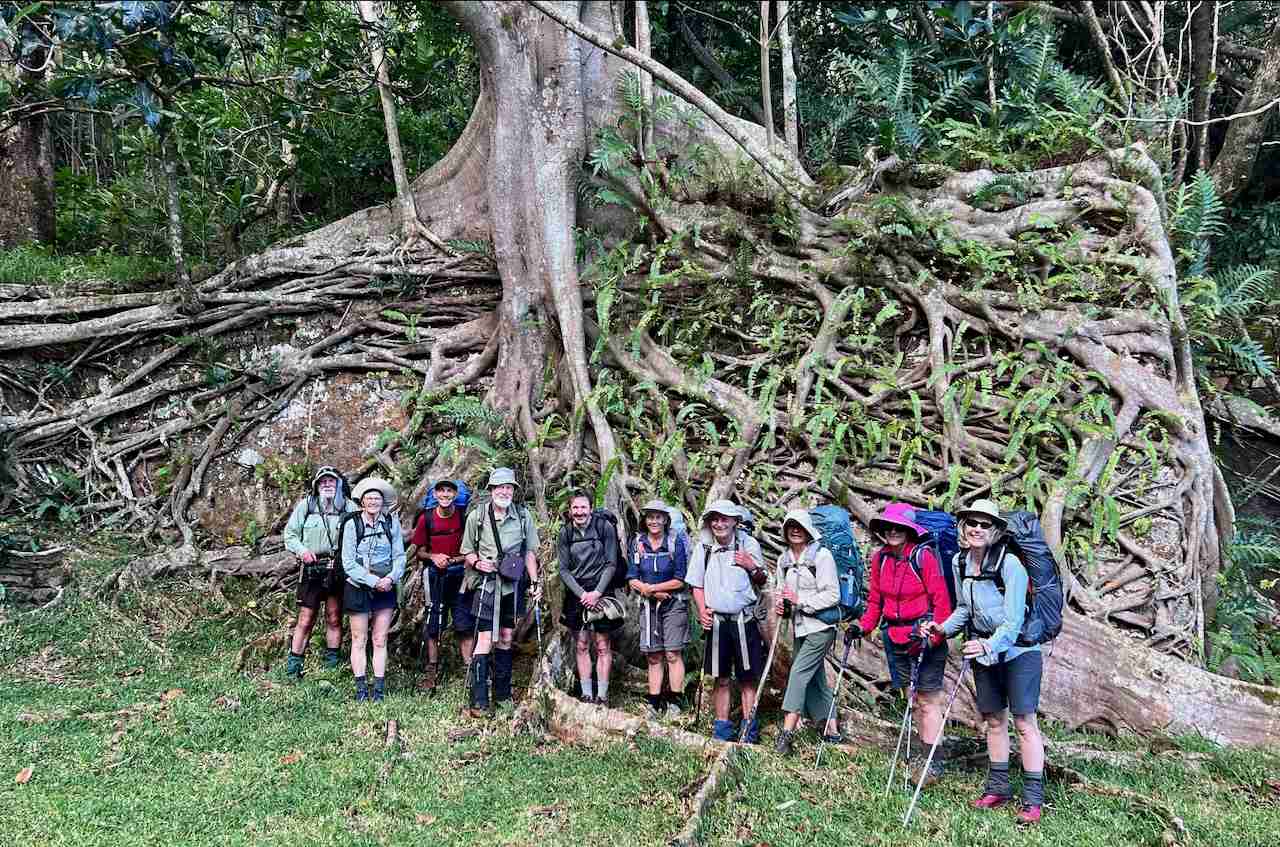
Giant Tree Fern (Cyathea)
Kate is doing La Coutume in Jacky's land at Ouanache.
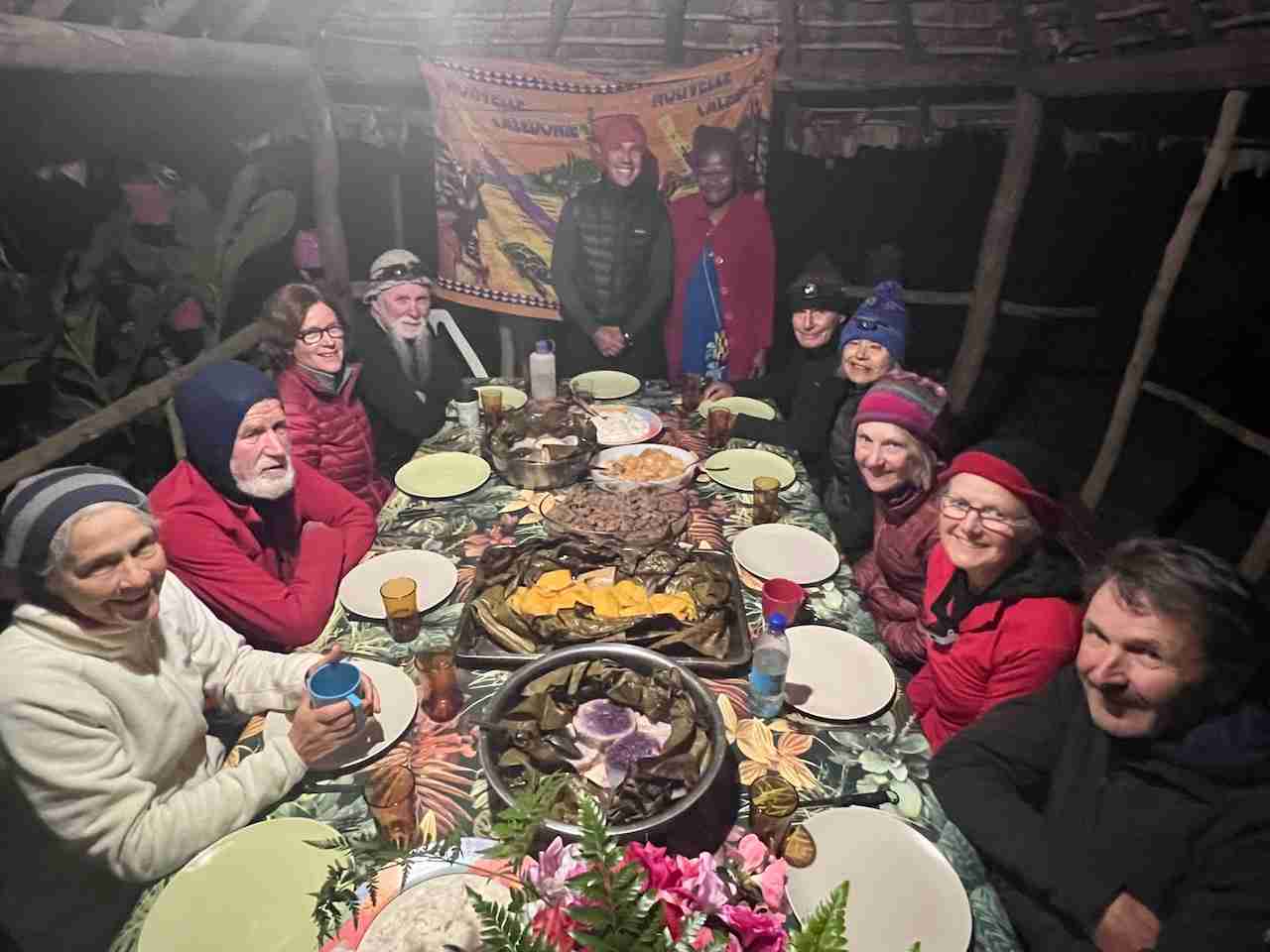
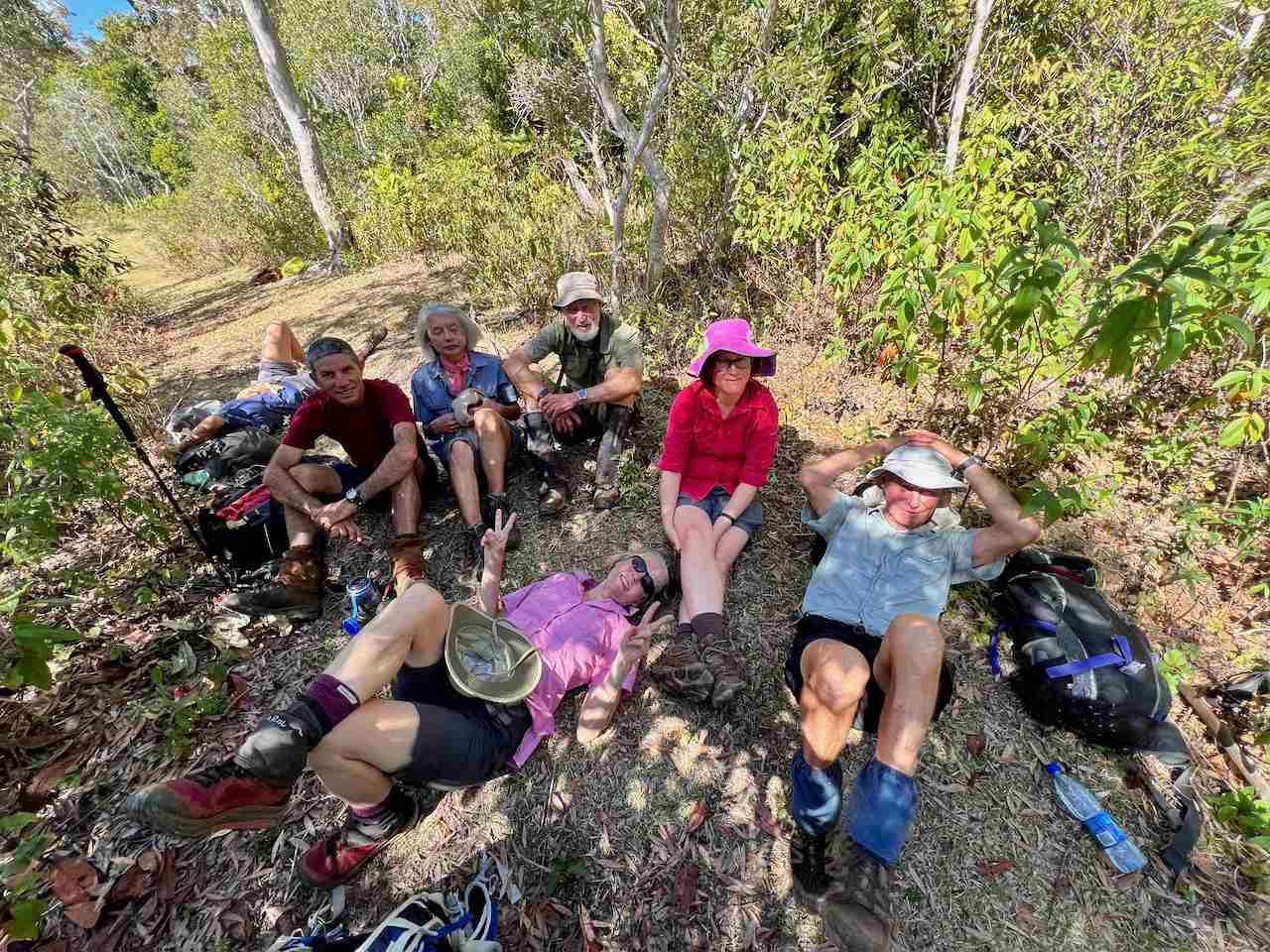
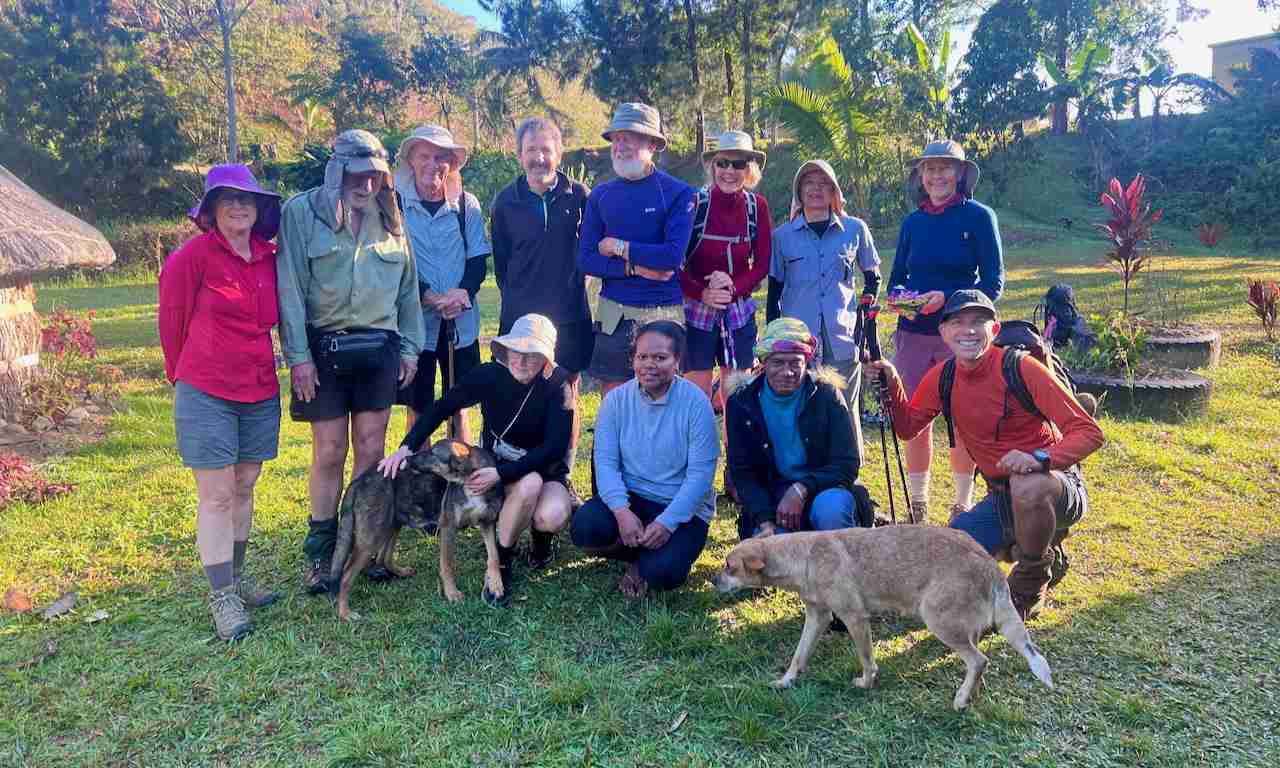
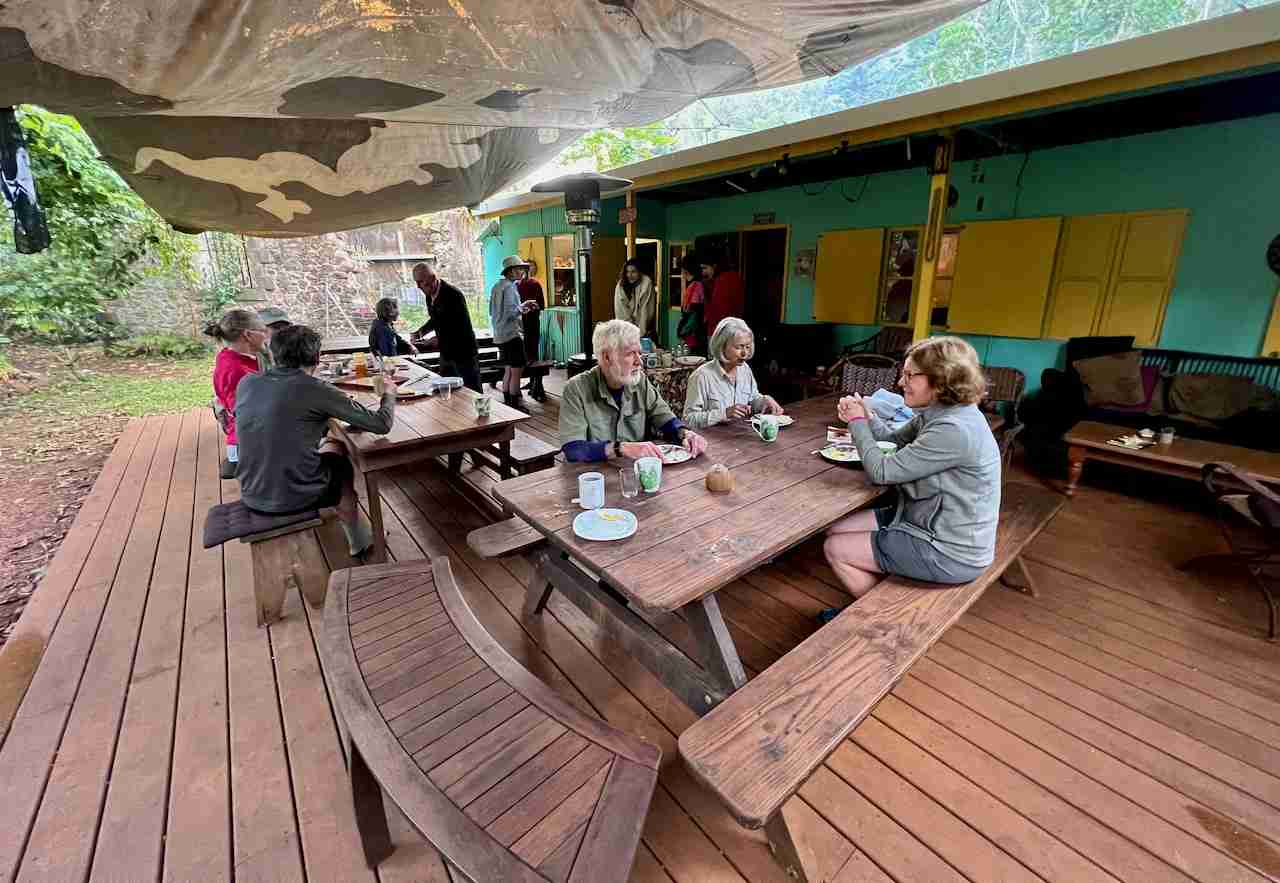
"Bougna Traditionel" at Tchamba in Helen's home. From left to right, Diana, Wayne, Anne, Bryce, John, Helen (Our host), Graeme, Merrily, Kate, Lynette and Jeff.
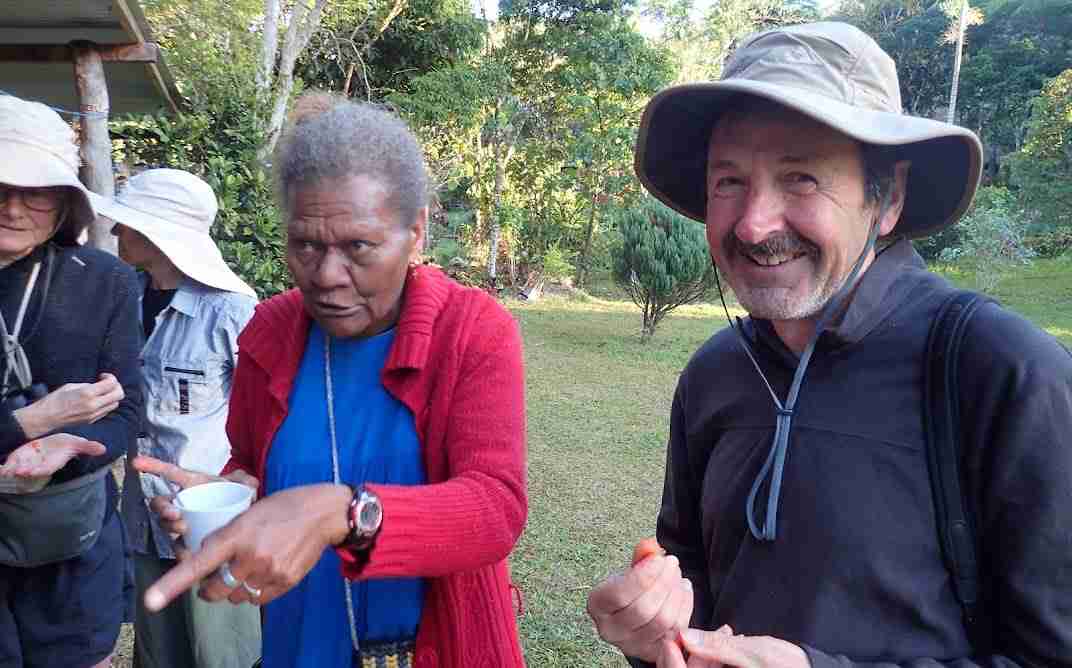
"Bougna Marmite" at Napoepa in Michel's home.
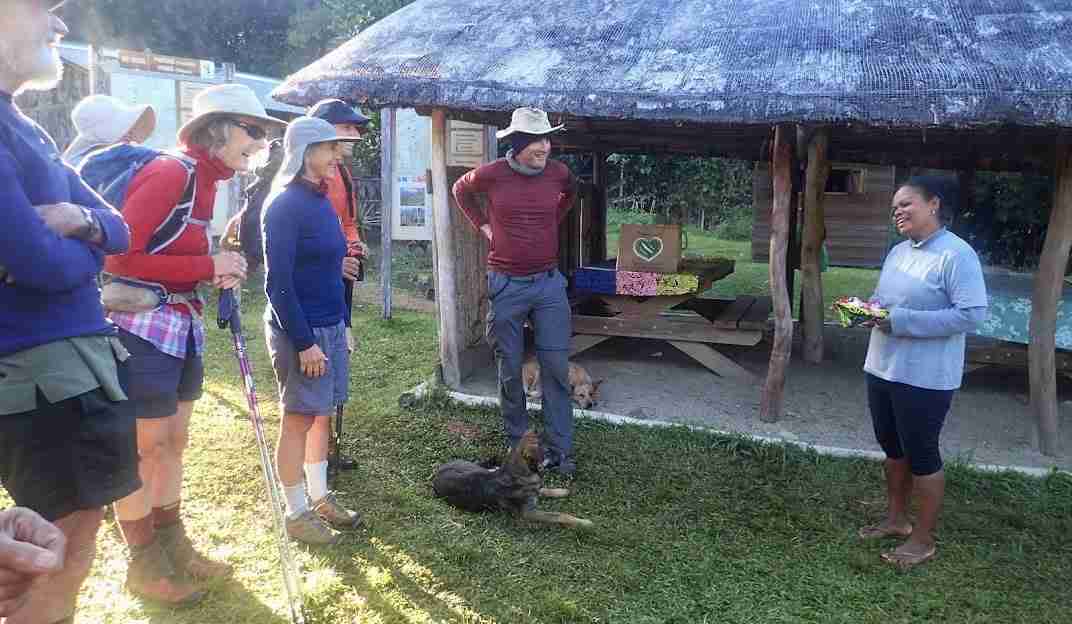
With Iréne and Christina in Pombeï.
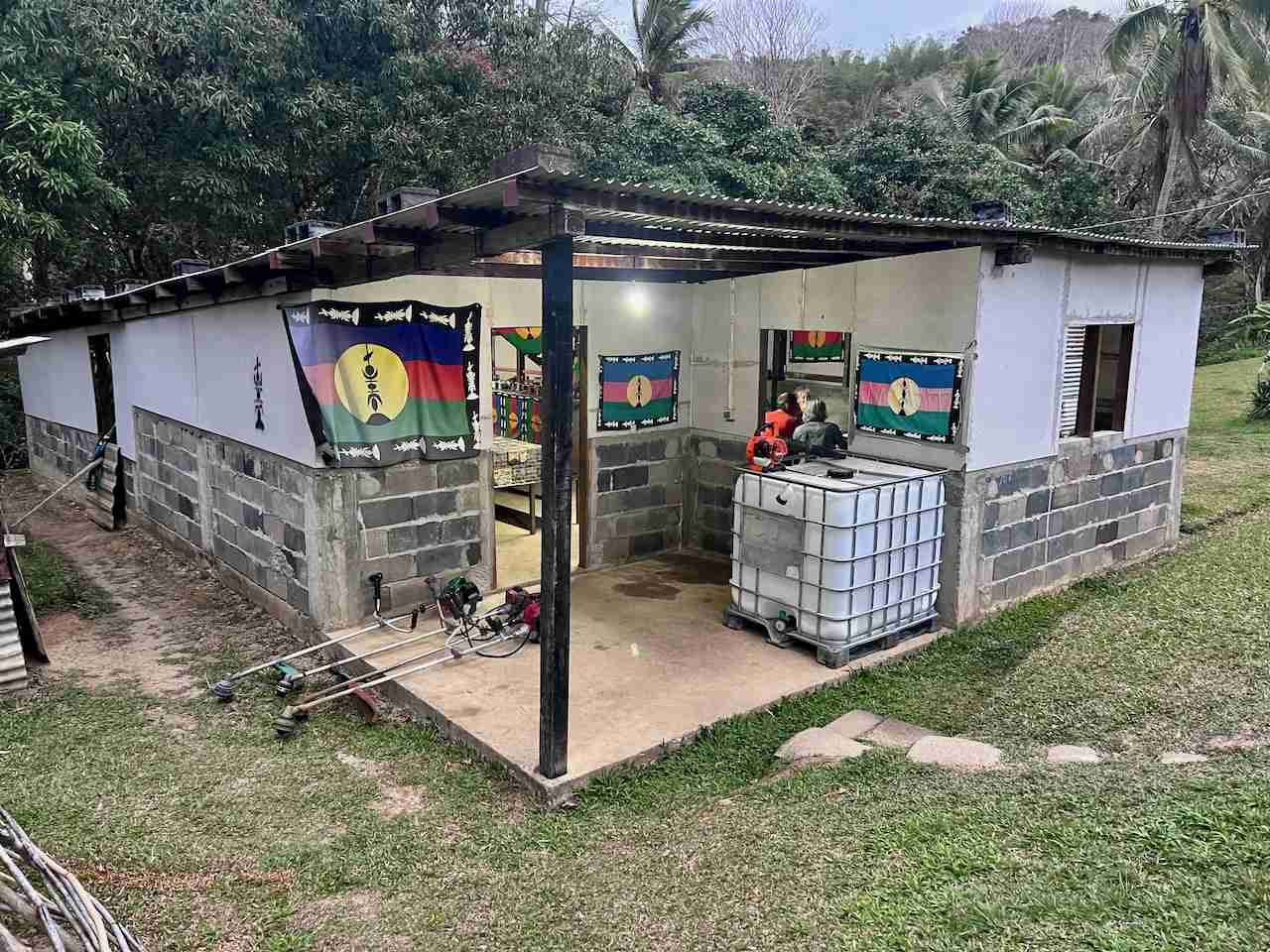
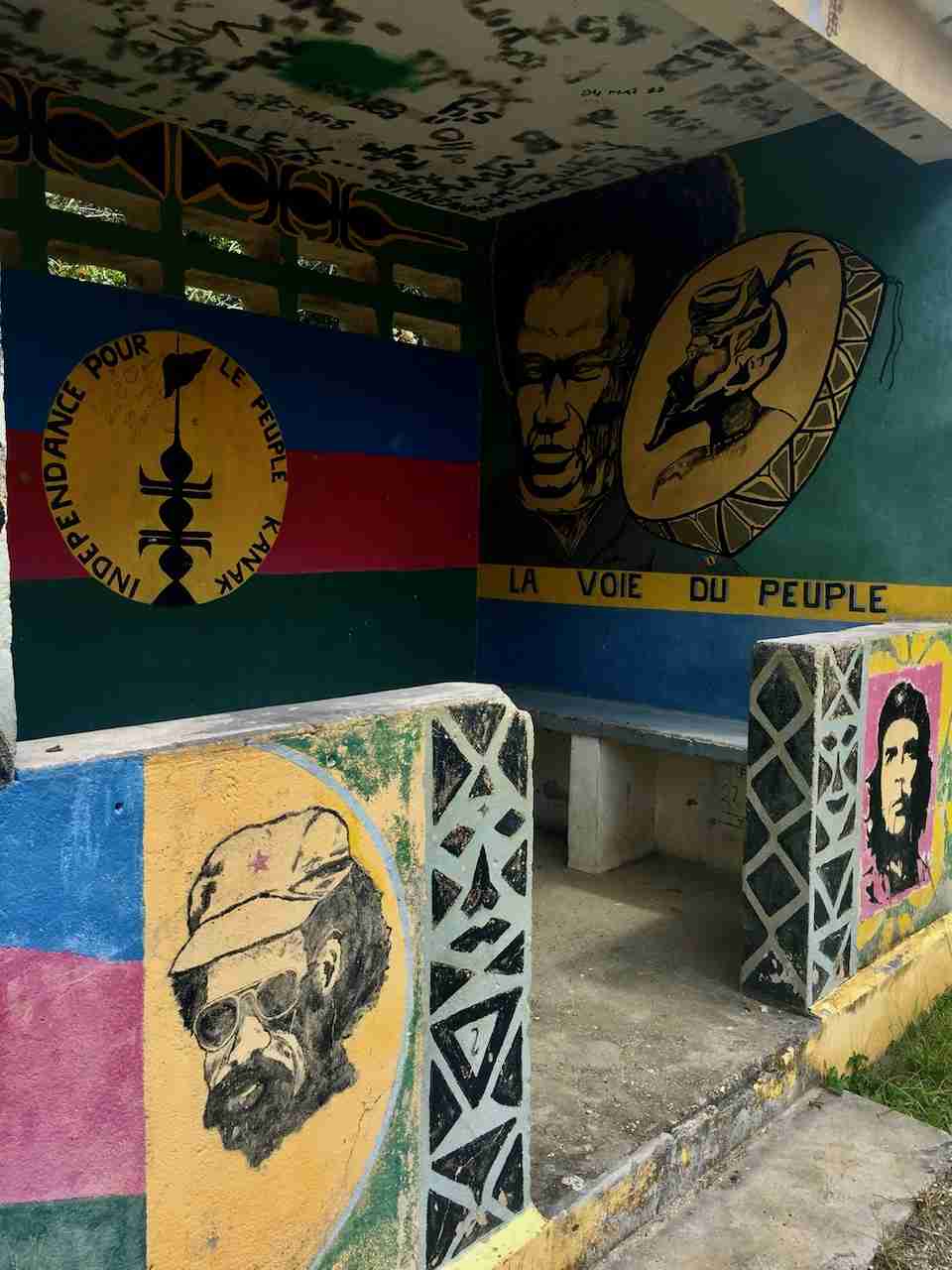
The Kanak flag covers Jean's home in Tiwae.
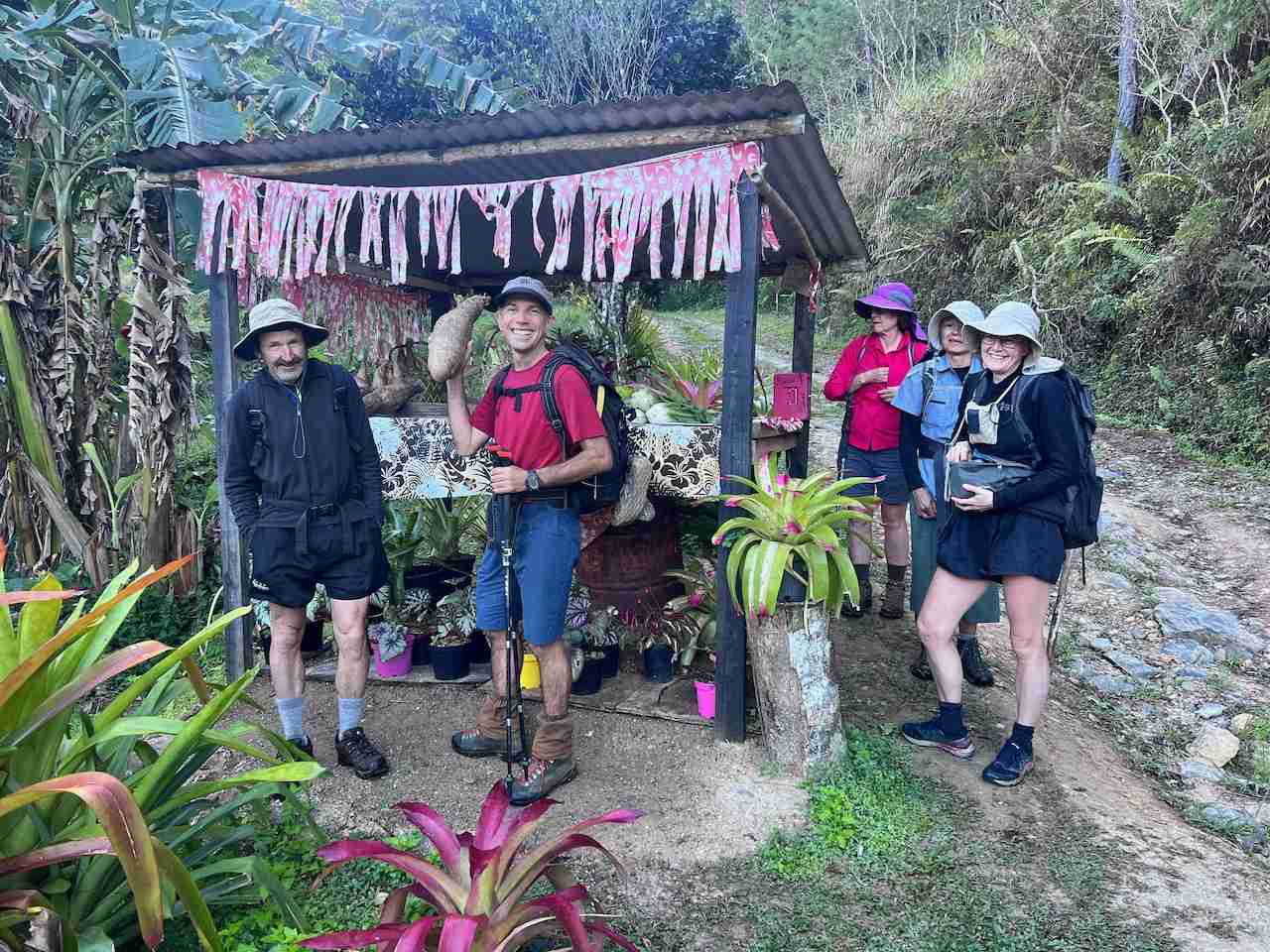
Honesty Box near Pombeï.
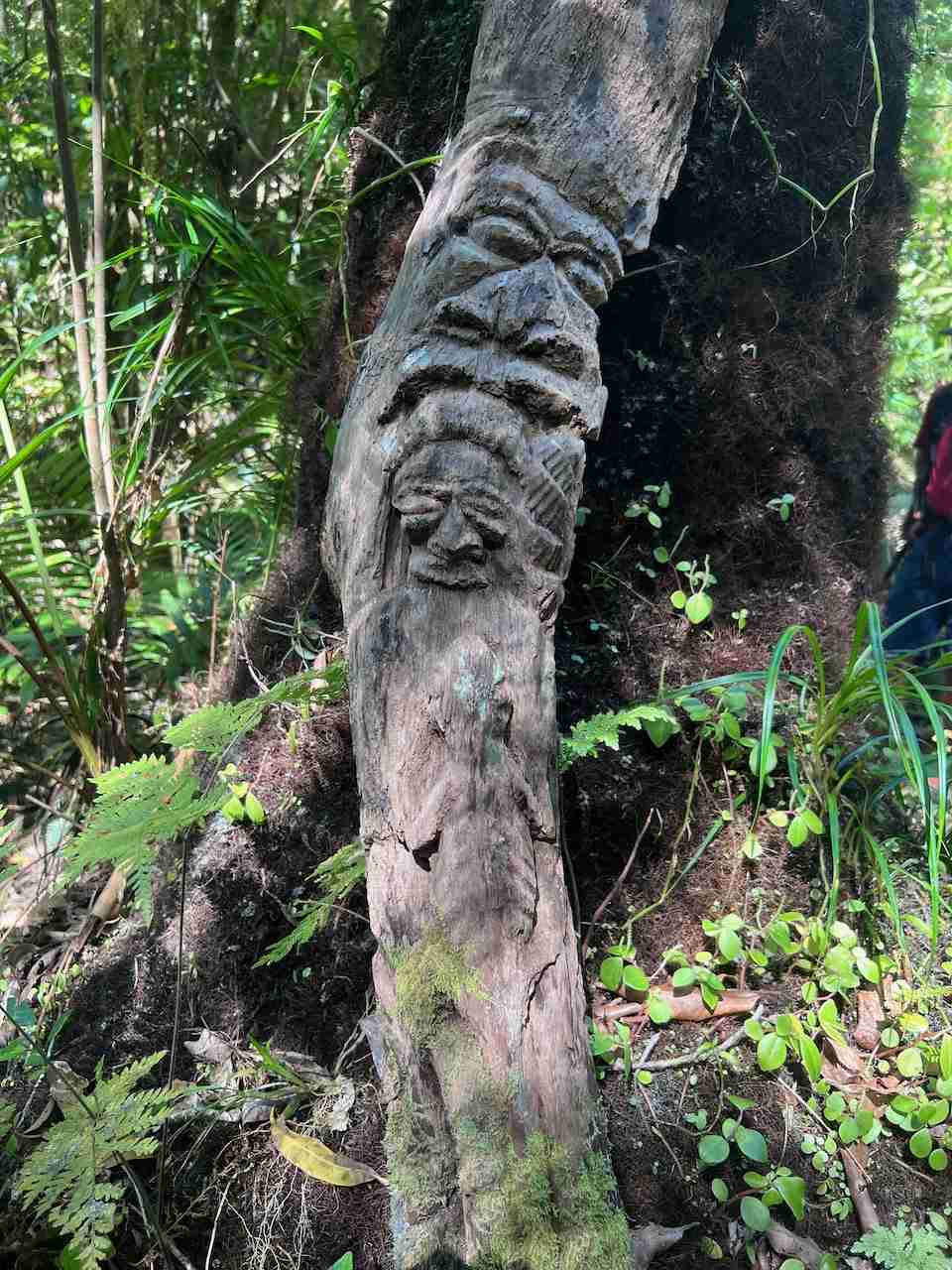
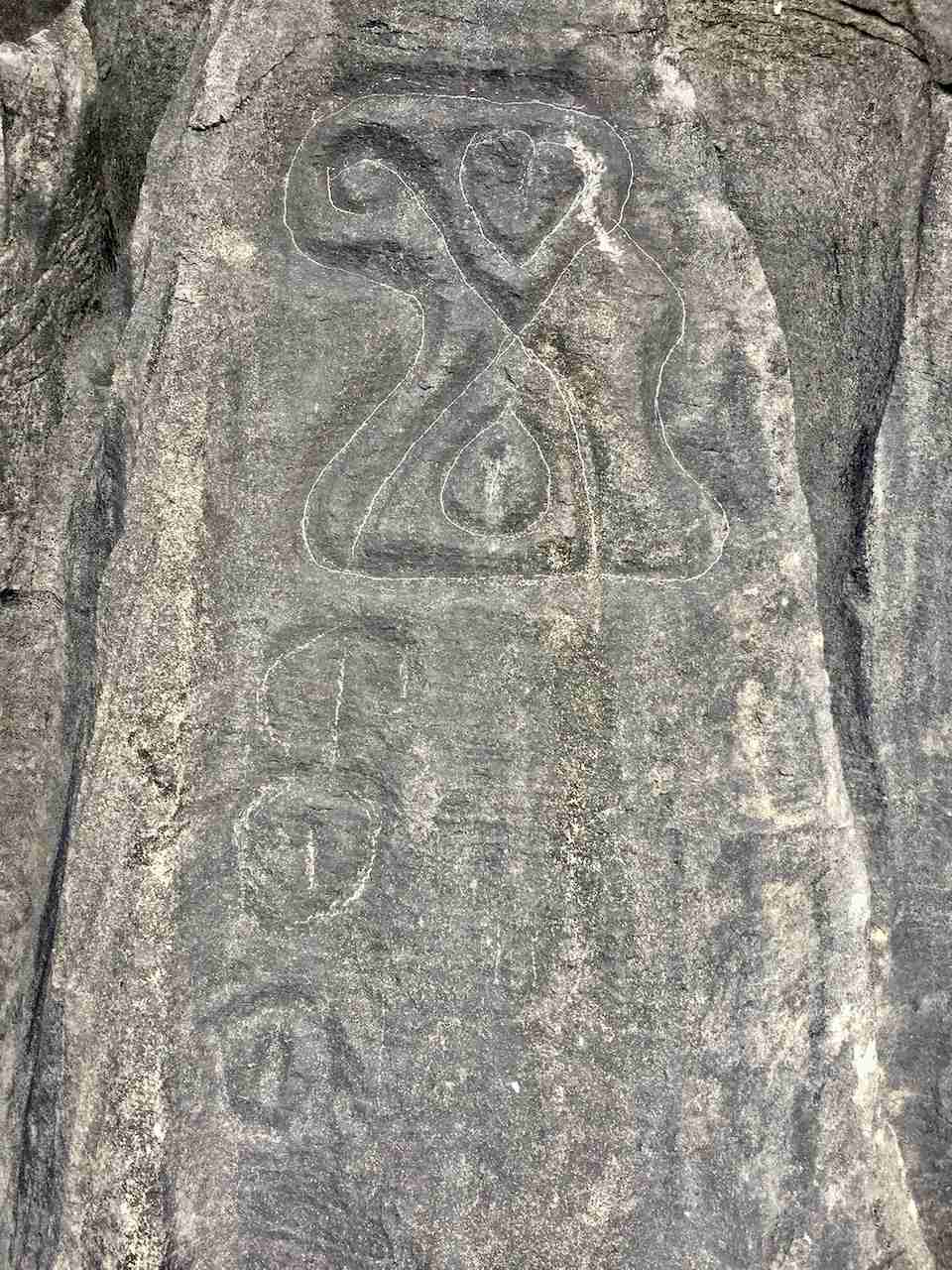
Kanak Totem along the walking track.
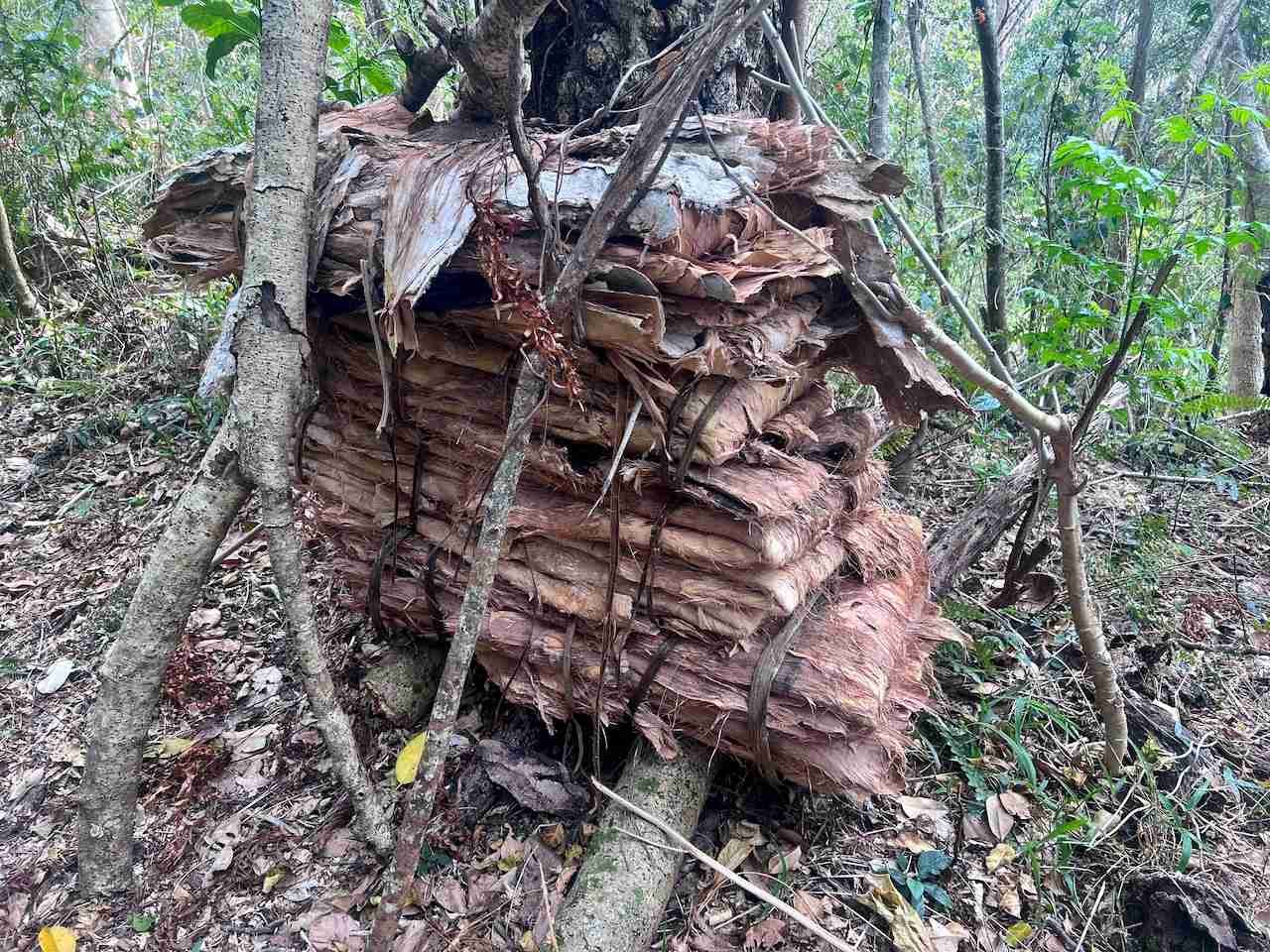
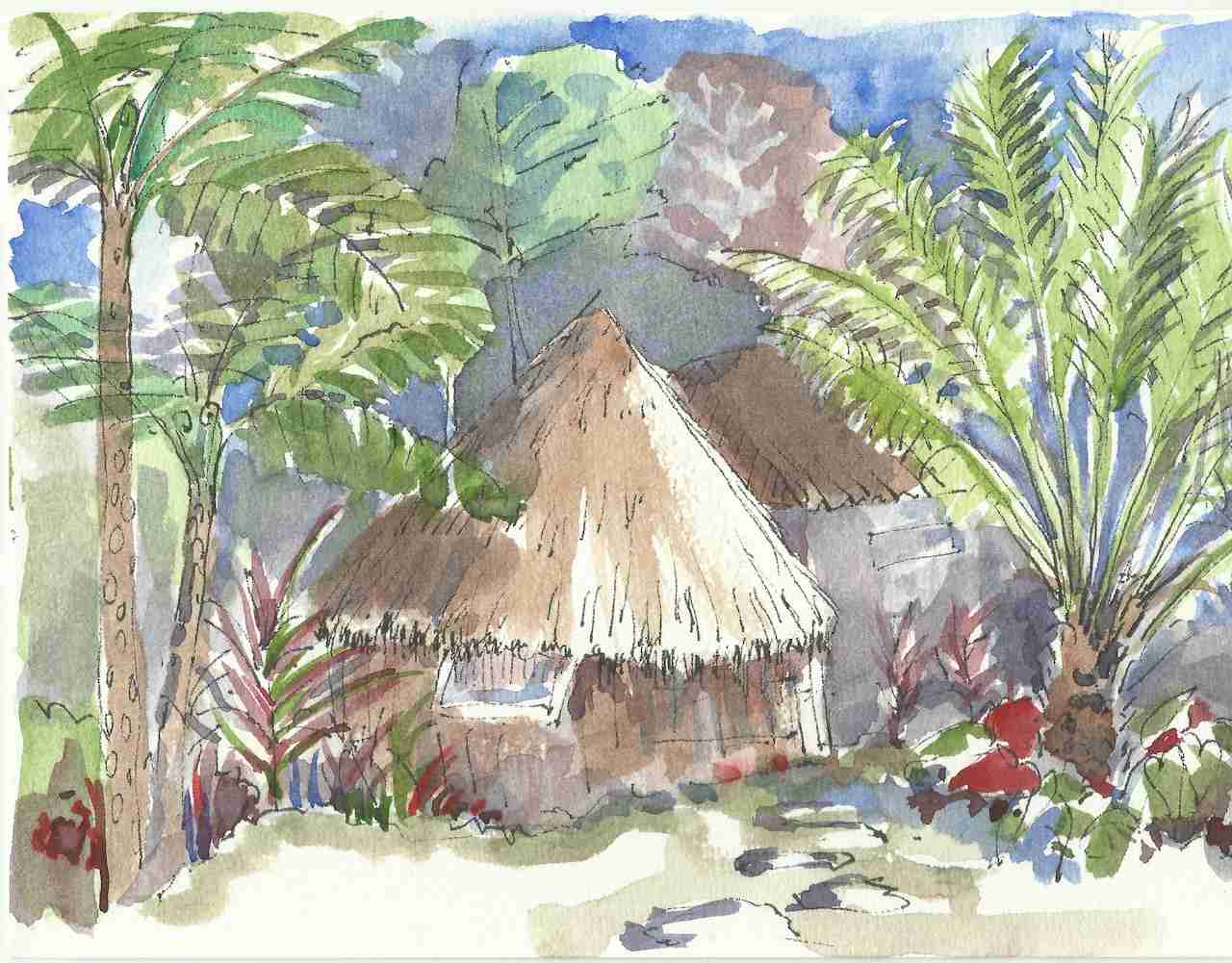
"Naouli Bark" (Melaleuca bark) is collected for the construction of the farés (Traditional Kanak Home) or other construction purposes.
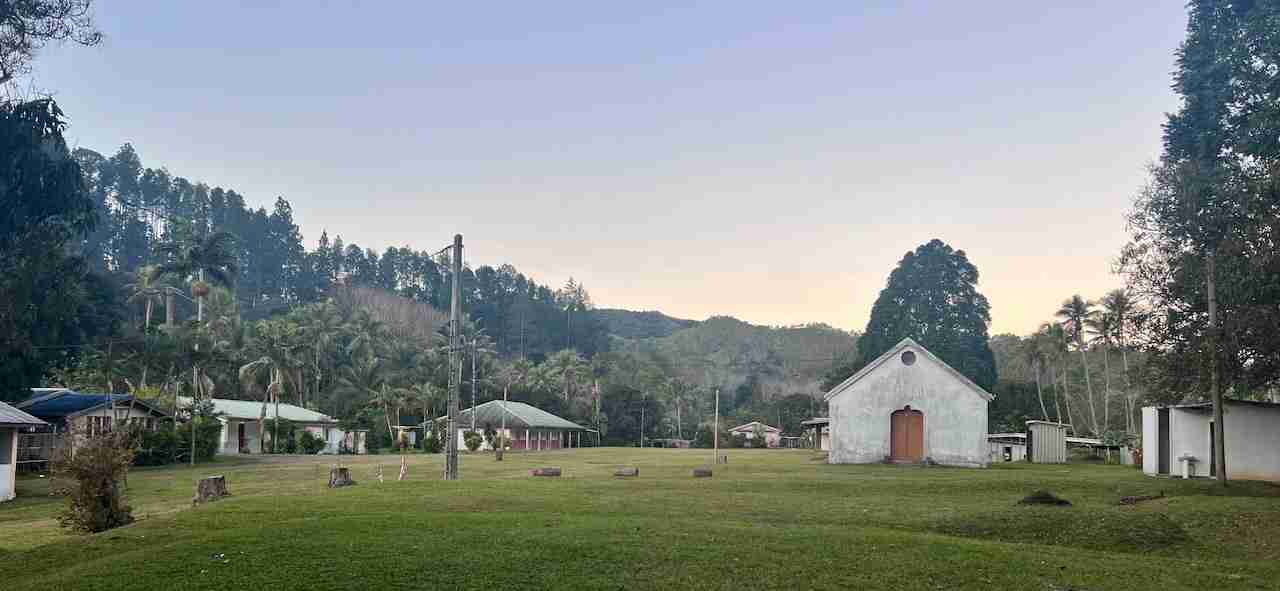
Tchamba Village
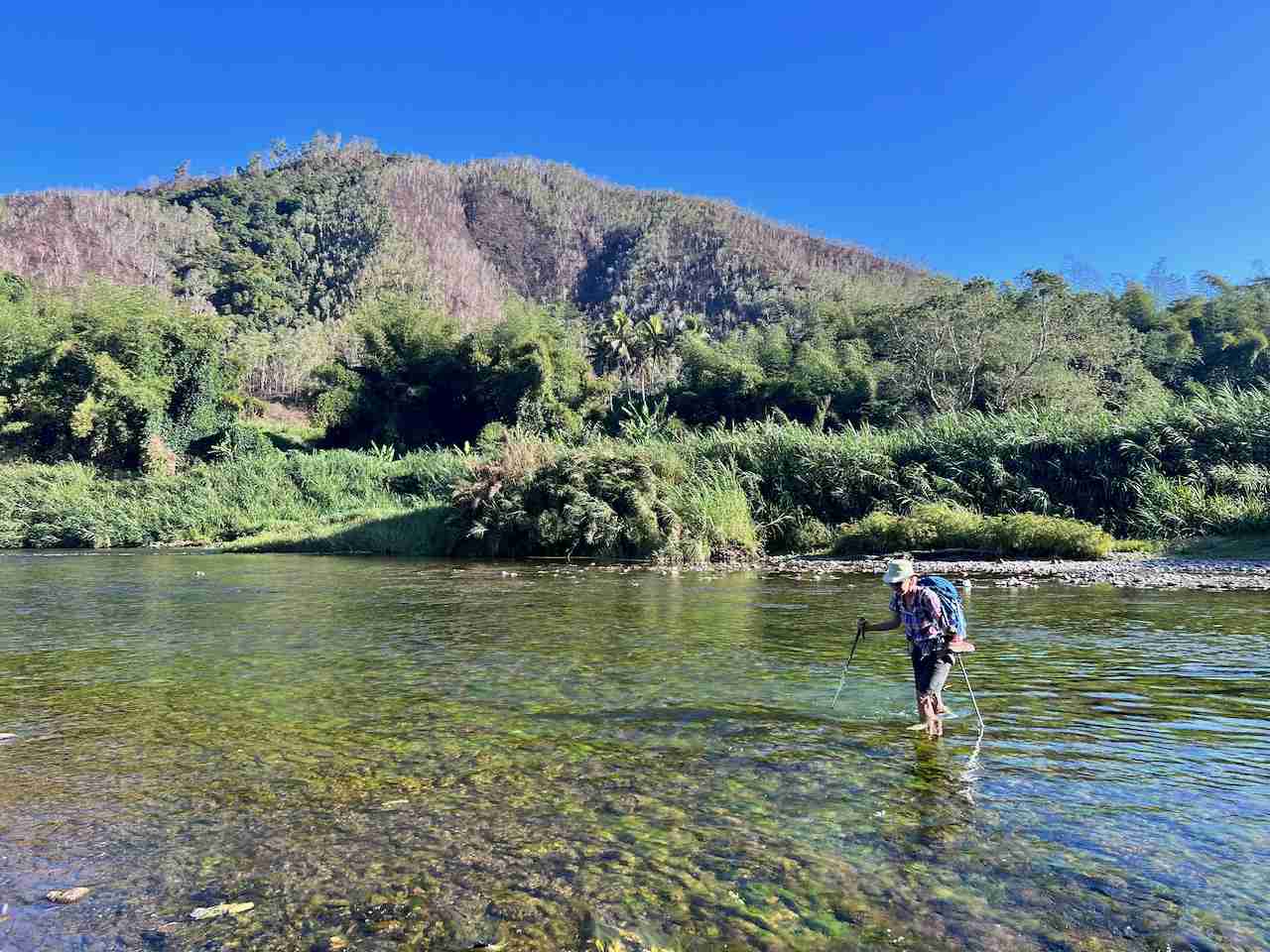
Kate wading the Pombeï River.
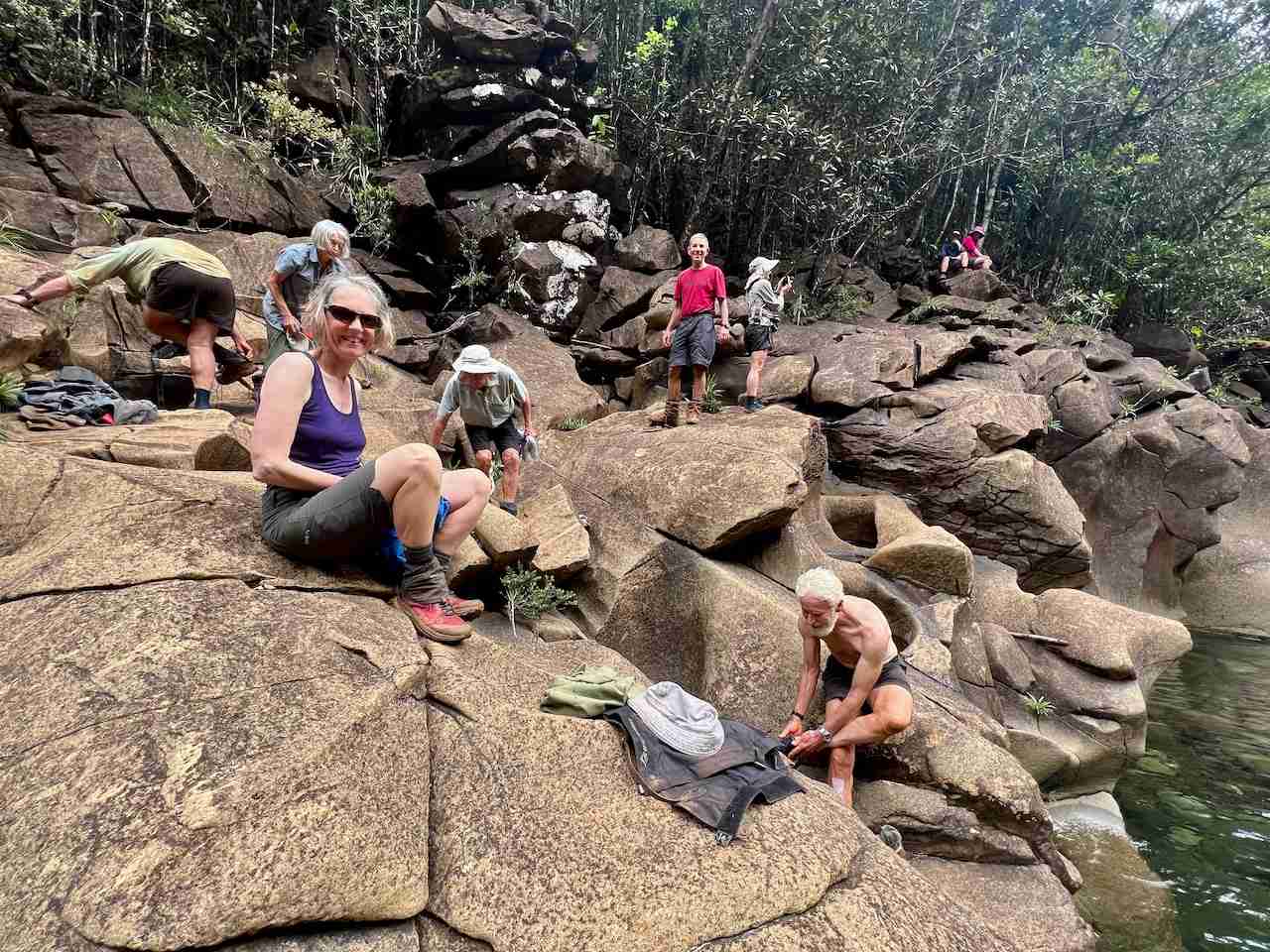
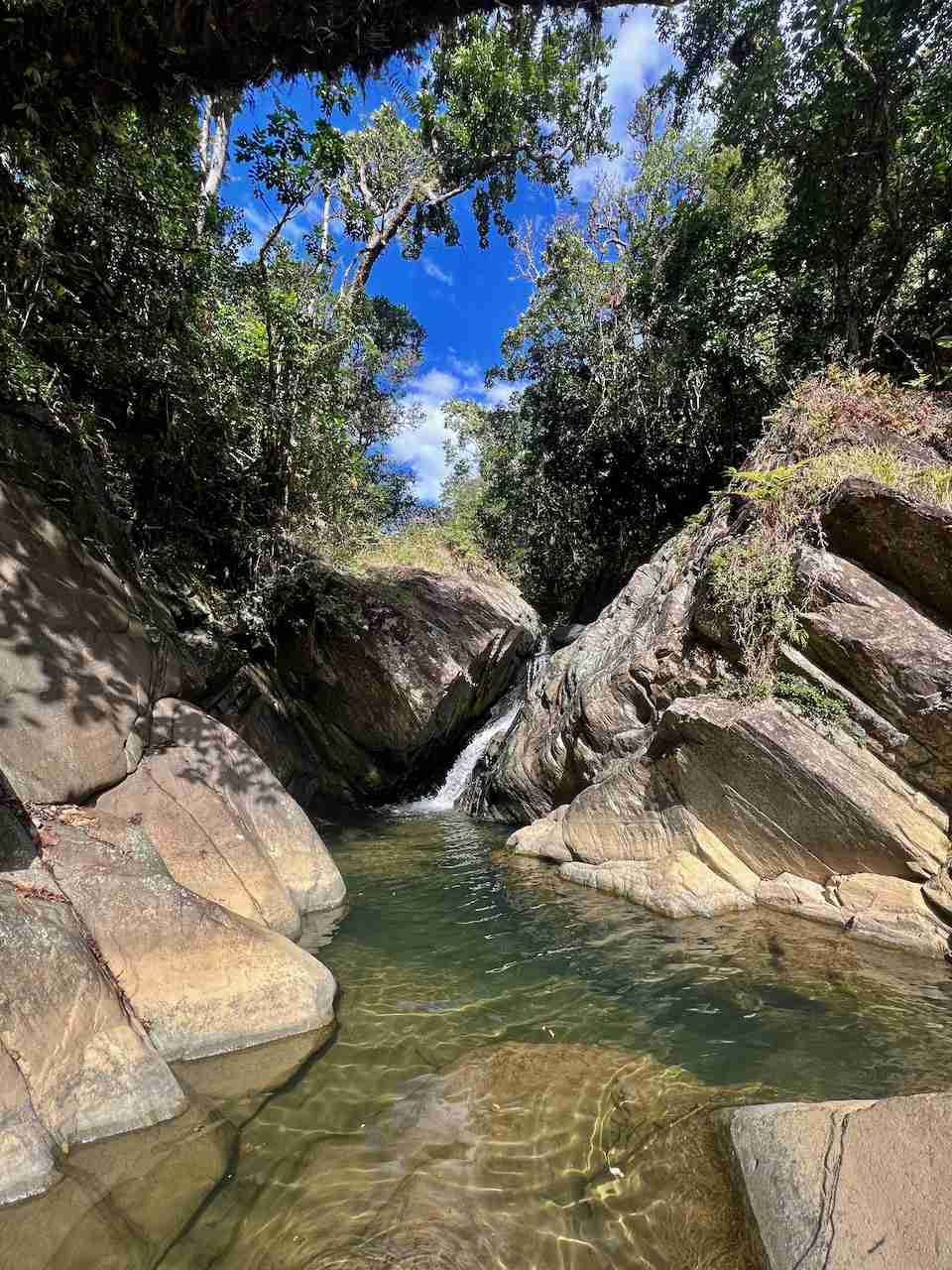
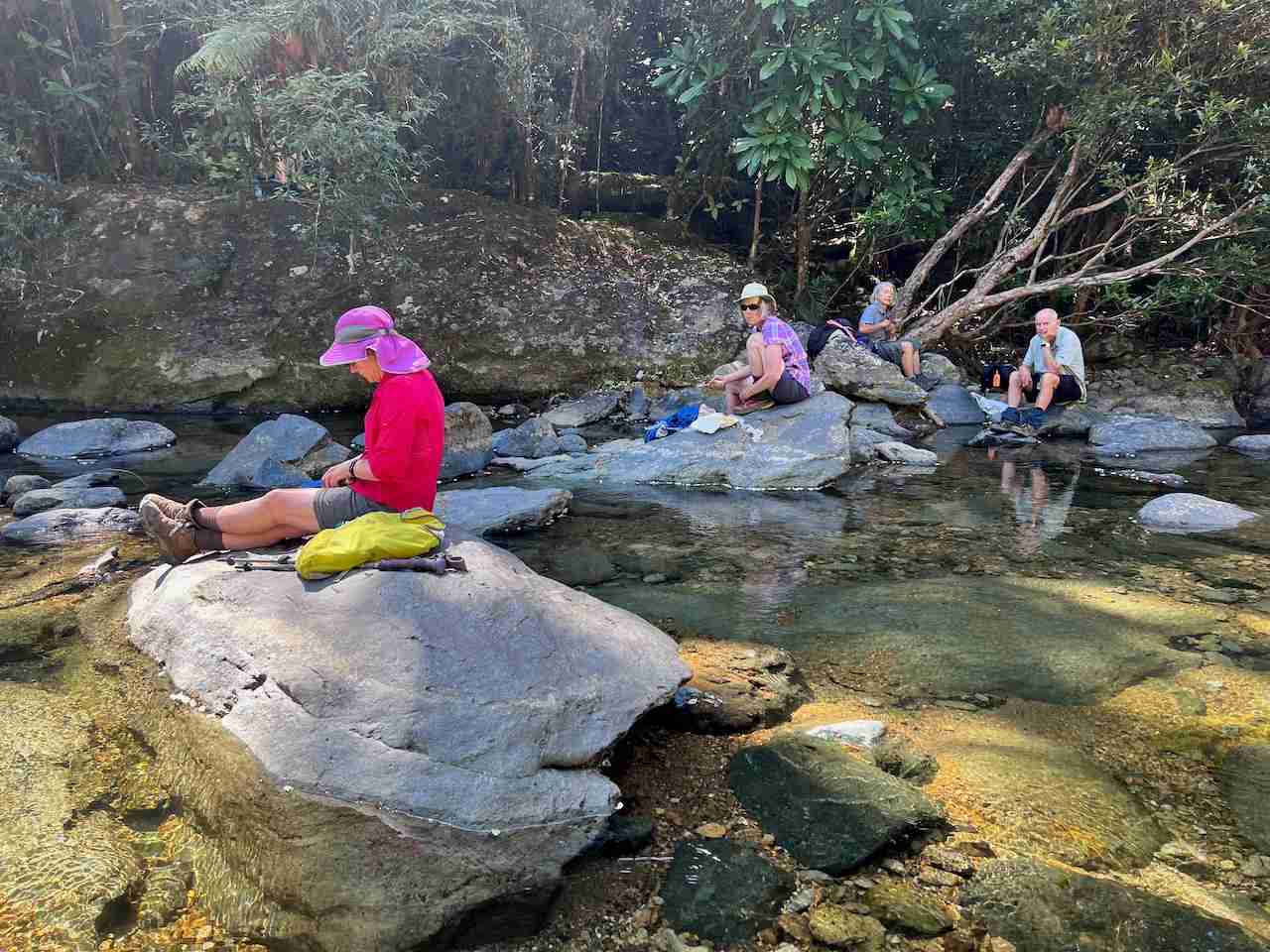
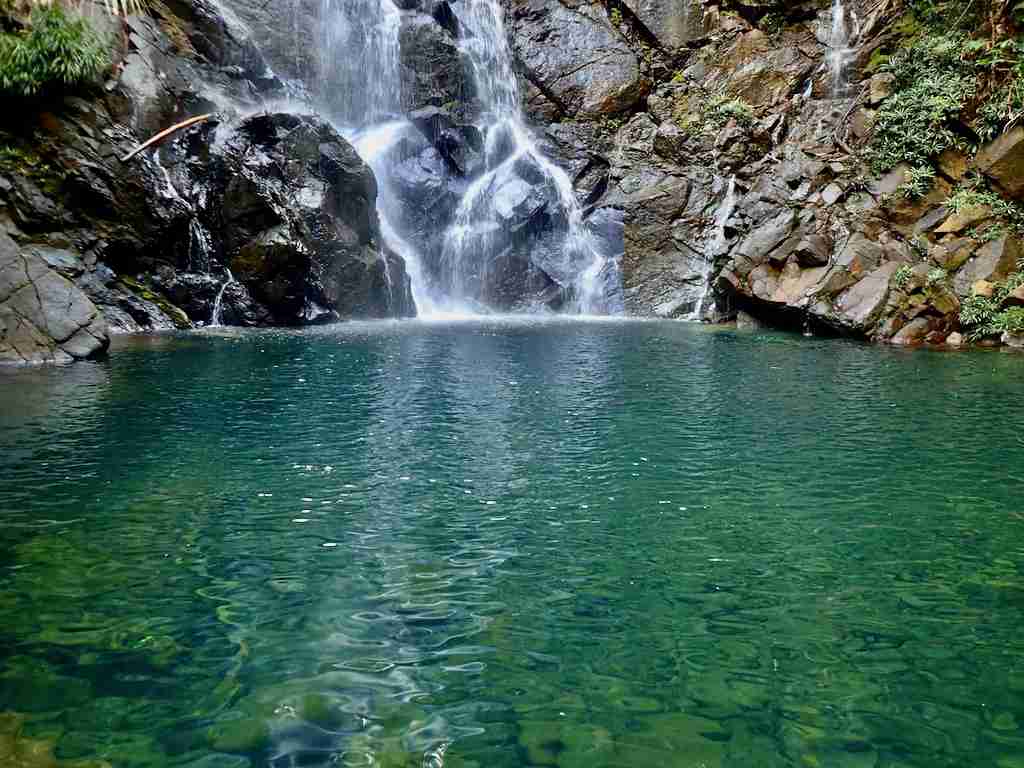
Rock slabs and swimming hole upstream of Cascade de St Thomas
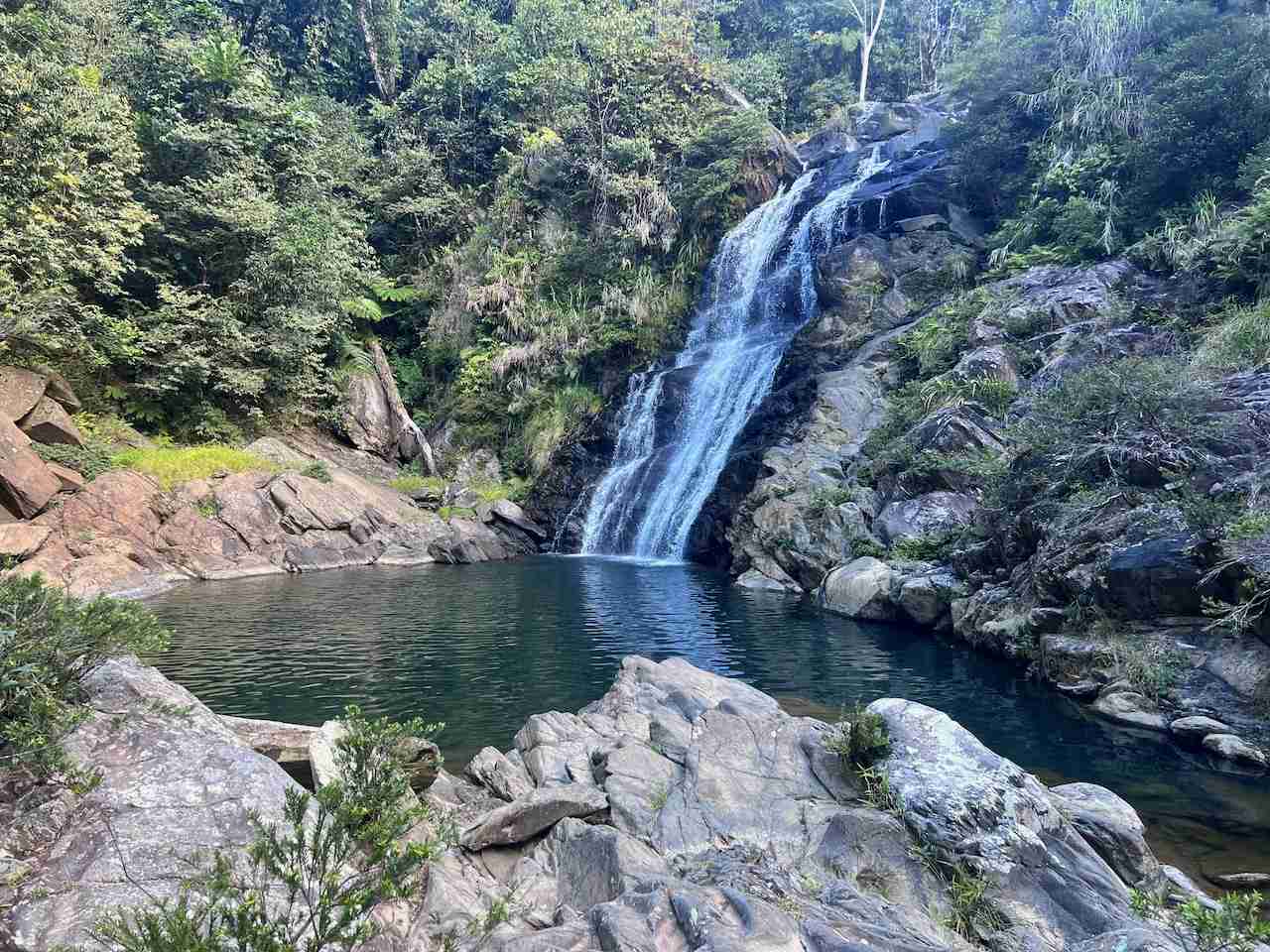
Saint-Thomas Cascade
We are eating lunch on the Dihén Tipwoï River.
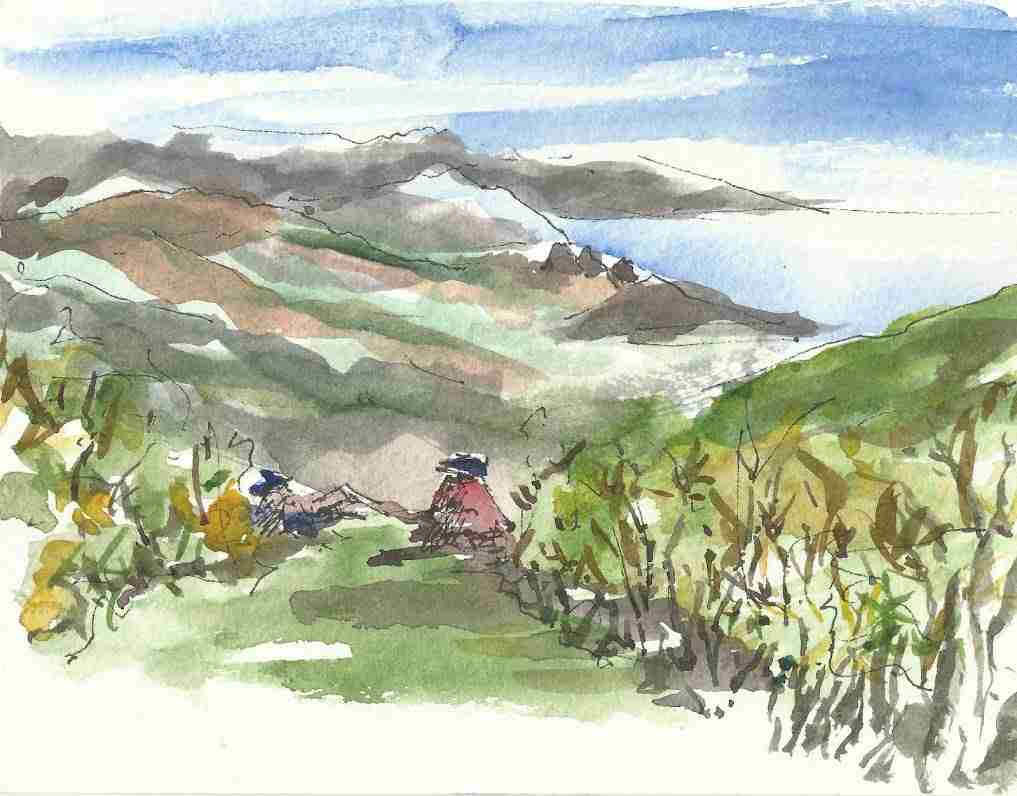
Cottage of Nataïwatch on the Ile des Pins, where you can choose your type of accommodation
Traditional pirogue in the Baie d'Upi.
Baie d'Oro Natural Pool (Bay of Oro)
Bushwalking the Ile des Pins
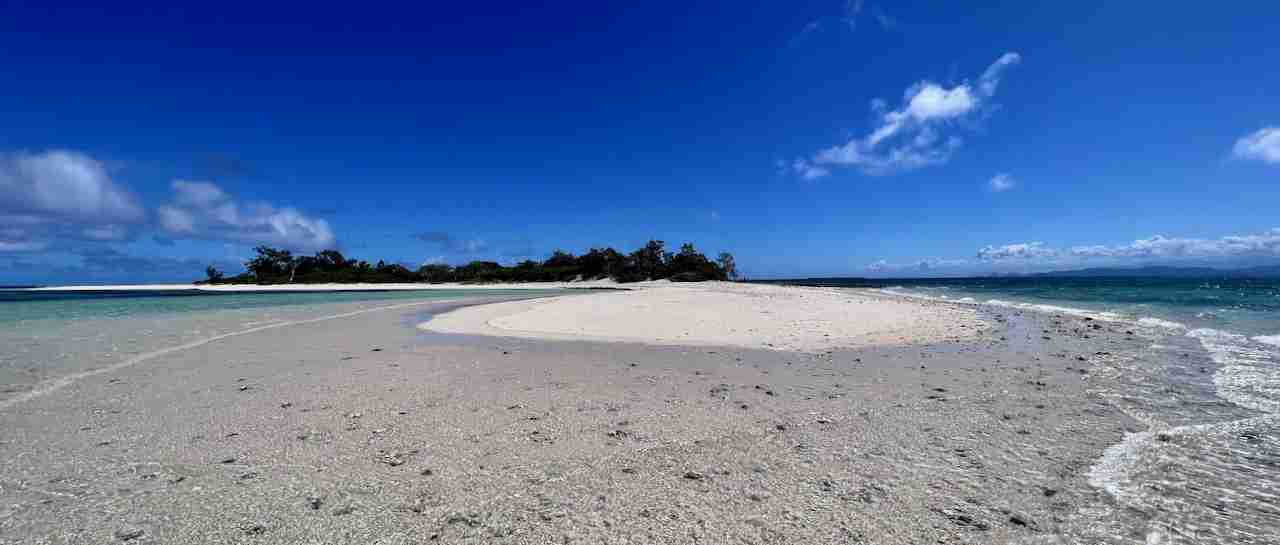 Boat Excursion on the last day (Picture of the Islet Larégnère in 2023)
We are sorry, there are no reviews yet for this tour.